
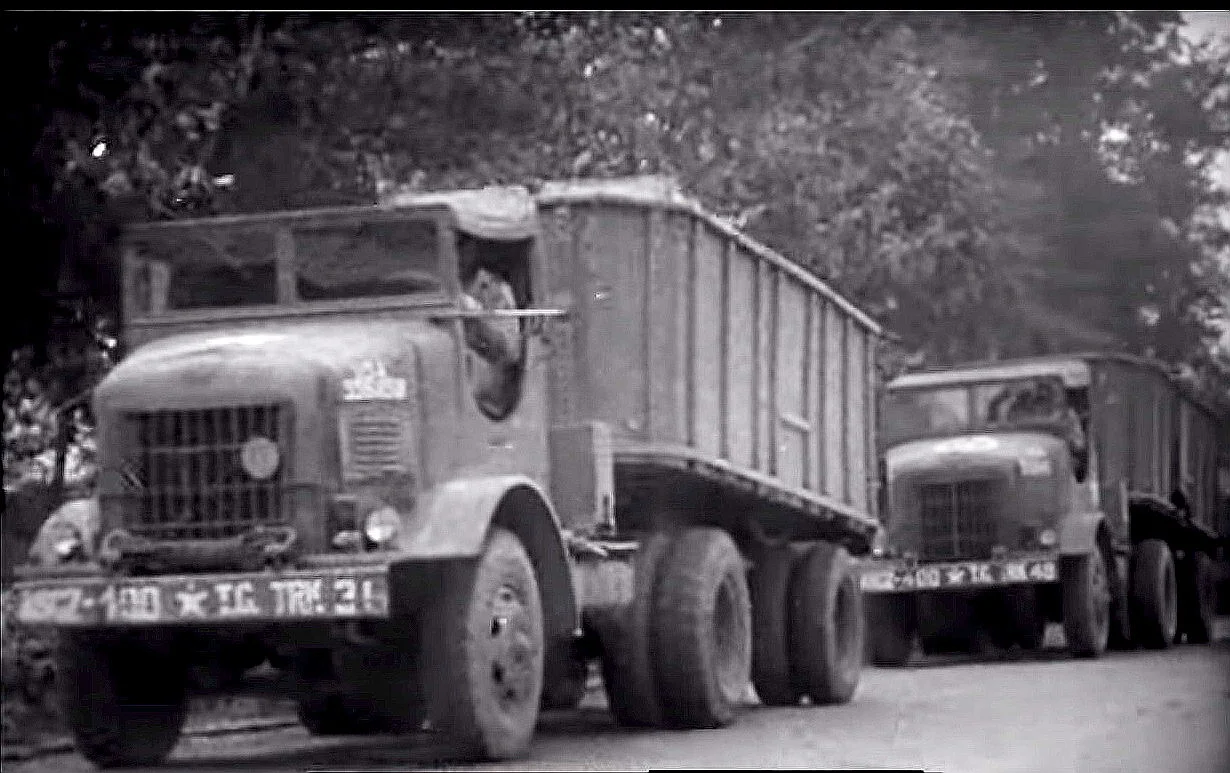
The Importance of Military Developments
In an ever-changing global landscape, the role of the military remains crucial for national security and international relations. Understanding current military events not only sheds light on the preparedness of nations but also highlights geopolitical tensions that could affect global stability. As military strategies evolve, so too do the challenges and threats each nation faces.
Recent Military Events
In the past few months, various nations have ramped up military activities. For instance, in response to growing tensions in Eastern Europe, NATO has made significant moves to bolster its presence in the region. Following Russia’s military maneuvers, NATO conducted large-scale military exercises, demonstrating solidarity among member states and showcasing advanced military capabilities. In Asia, rising tensions between China and Taiwan have led to increased military drills by both parties, drawing international attention and concern.
New Technologies in the Military
Moreover, advancements in military technology are transforming how wars are fought. The U.S. military has been investing heavily in artificial intelligence and unmanned systems, indicating a shift towards more tech-driven warfare. Last month, the Pentagon unveiled new AI-driven drone systems aimed at enhancing reconnaissance and intelligence-gathering capabilities. Such innovations could redefine operational strategies in future conflicts.
Challenges Faced by Military Systems
Nevertheless, militaries worldwide face several challenges. Recruitment struggles, as seen in the U.S. Army, have prompted many nations to rethink their approaches to personnel management. The rising complexity of warfare also demands that military forces adapt quickly to new threats, such as cyber warfare and misinformation campaigns, further complicating strategic decision-making.
Conclusion: The Continuing Significance of Military Awareness
In conclusion, staying informed about military developments is essential not only for understanding national security issues but also for grasping the broader implications for international diplomacy. As nations adapt to new challenges and technologies, the landscape of military power continues to shift. Future forecasts suggest that military readiness will play an increasingly vital role in maintaining peace and stability globally. Civilians and policymakers alike must keep abreast of these changes to navigate the complexities of modern geopolitical affairs.