
Introduction
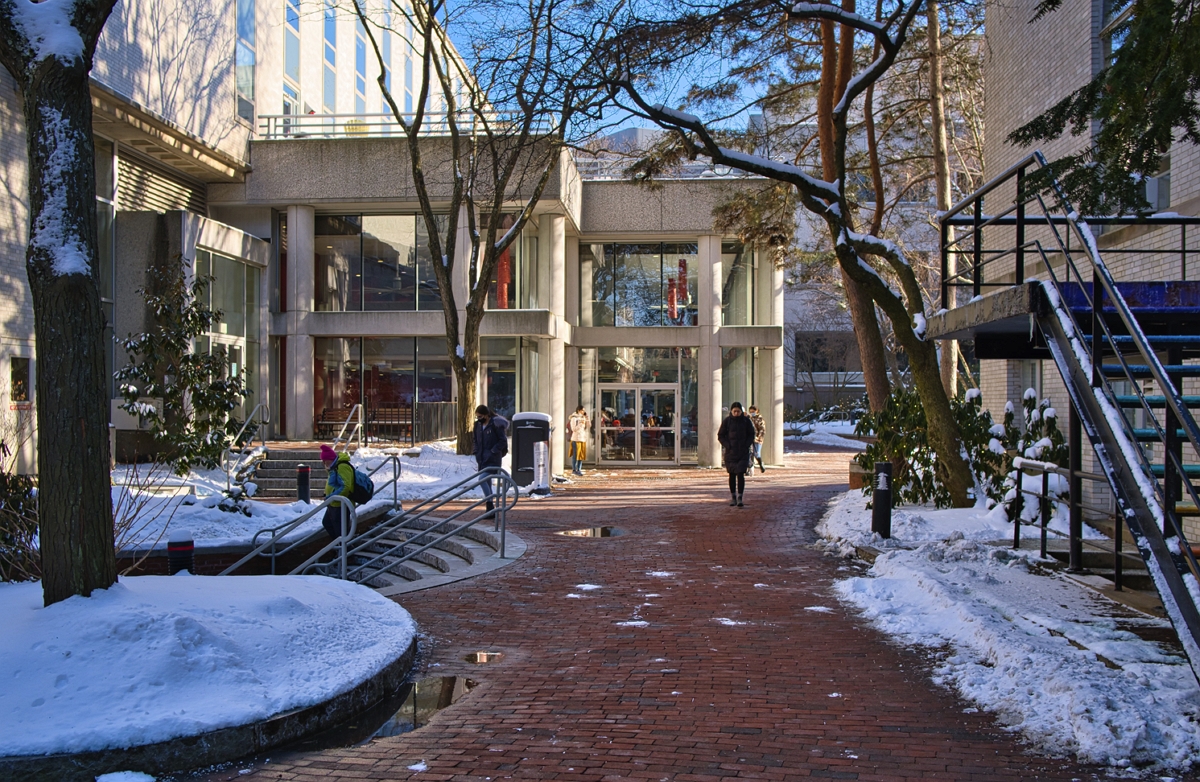
Northeastern University, located in Boston, Massachusetts, has emerged as a pivotal institution in American higher education. Renowned for its commitment to experiential learning and innovative research, Northeastern has consistently attracted students from various backgrounds, contributing to its vibrant campus life. As universities increasingly adapt to changing educational landscapes, Northeastern’s unique approach stands out, making it relevant not just for prospective students but also for educators and policymakers.
Academic Excellence and Programs
Northeastern University offers a diverse range of undergraduate and graduate programs across various disciplines, including business, engineering, health sciences, and the arts. With over 90 combined undergraduate and graduate degree programs, students can tailor their education to fit their career aspirations. The university is particularly known for its co-op program, which allows students to gain real-world experience while earning their degrees. This program integrates academic learning with professional work opportunities, setting Northeastern apart in providing students with a competitive edge in the job market.
Research Initiatives and Innovations
At the forefront of research, Northeastern University invests significantly in innovation and technology. The university is recognized for its research centers dedicated to fields such as cybersecurity, biotechnology, and urban public health. In 2023, Northeastern received over $70 million in research funding, underscoring its support for groundbreaking projects that address pressing social issues. The university fosters collaboration among its 27 research institutes, driving advancements in science and technology that align with global challenges.
Diversity and Inclusion Efforts
Northeastern University prides itself on being a diverse and inclusive institution. In the recent academic year, 52% of the student population identified as students of color. The university actively promotes an inclusive environment through various initiatives, such as the Diversity, Equity, and Inclusion Strategic Plan, aimed at creating equitable opportunities across the campus. Additionally, Northeastern hosts numerous cultural events and organizations, enriching the overall student experience.
Conclusion
In conclusion, Northeastern University continues to solidify its place as a leading educational institution through its commitment to experiential learning, innovative research, and dedication to diversity and inclusion. As it evolves with the educational landscape, Northeastern is likely to maintain its relevance and appeal to future generations of learners. Prospective students considering higher education will find that Northeastern offers not only a robust academic curriculum but also the tools and experiences needed to thrive in a rapidly changing world.