
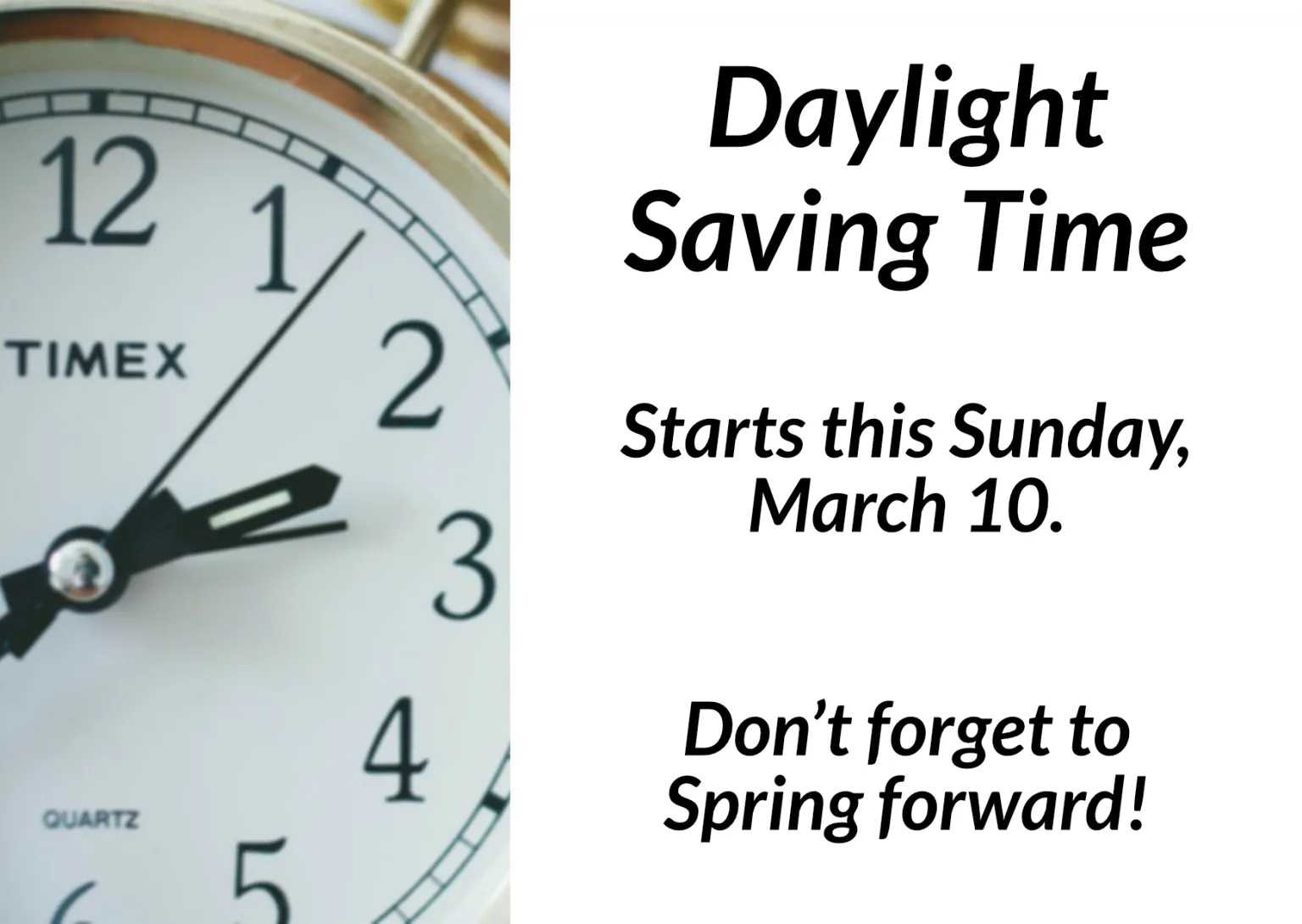
Understanding Daylight Saving Time
Daylight Saving Time (DST) is a practice implemented in many regions around the world, intended to make better use of daylight during the longer days of summer. By shifting the clocks forward by one hour in the spring and back by one hour in the fall, regions can maximize daylight during evening hours. This semi-annual occurrence is significant not only for adjusting personal schedules but also for various sectors like agriculture, transportation, and energy consumption.
When Does Daylight Saving Time Start and End?
In the United States in 2023, Daylight Saving Time begins at 2:00 AM local standard time on Sunday, March 12, and ends at 2:00 AM local daylight time on Sunday, November 5. This means that clocks will be set forward one hour in March, marking a transition to longer, brighter evenings, and reverted back in November to return to standard time.
Why Do We Observe Daylight Saving Time?
The practice of Daylight Saving Time has its roots in the World War I era, where it was initially adopted to conserve fuel. Over the years, various studies have shown benefits and drawbacks of its implementation. Advocates argue that it leads to reduced energy consumption and promotes outdoor leisure activities after work. Conversely, some studies suggest it may disrupt sleep patterns and lead to increased health risks immediately after the transition.
Impact and Relevance of Daylight Saving Time
Many states and regions continue to observe DST, while others have opted out, leading to discussions about its effectiveness and necessity. Recent surveys indicate that 70% of Americans still support the continuation of Daylight Saving Time, but several states have proposed legislation to abolish the biannual clock changes completely. Notably, Florida and California have been at the forefront of this legislative push.
Conclusion
As we approach March 12, 2023, it’s important to remember the implications of Daylight Saving Time. It affects various aspects of daily life, from work hours to energy consumption and health. Individuals and families should prepare accordingly as the biannual transition occurs. Whether it is seen as a hassle or a benefit, understanding when Daylight Saving Time takes place and its broader implications is essential for everyone.