
Introduction
Dense fog advisories are critical alerts issued by weather services to inform the public about potentially hazardous atmospheric conditions. These advisories are particularly relevant during autumn and winter months when fog formation becomes more frequent. The National Weather Service (NWS) issues these advisories to advise motorists and pedestrians about the dangers posed by low visibility conditions that can lead to accidents.
What is a Dense Fog Advisory?
A dense fog advisory indicates that visibility is reduced to less than a quarter mile, creating significant challenges for drivers and those navigating outdoor spaces. Fog can form when temperatures drop, especially overnight, allowing moisture in the air to condense. This weather phenomenon is particularly common in valleys and coastal regions, where temperature variations create ideal environments for fog to develop.
Current Events and Impacts
As of late October 2023, several regions across the northeastern United States are experiencing dense fog advisories. Areas in New England, particularly along the Connecticut River Valley and parts of Massachusetts, have reported visibility dropping to dangerous levels. The advisories have led local authorities to urge residents to exercise caution when traveling, especially early in the morning and late at night when fog is likely to be thickest. Emergency services have responded to an increase in minor accidents attributed to reduced visibility, highlighting the importance of heeding these warnings.
Transportation agencies are also reporting delays and, at times, temporary road closures in regions heavily affected by fog. Airlines have adjusted flight schedules, with some flights experiencing delays or cancellations due to similar visibility issues at airports.
Safety Measures
In light of these conditions, safety experts recommend several precautionary measures for those traveling in foggy conditions:
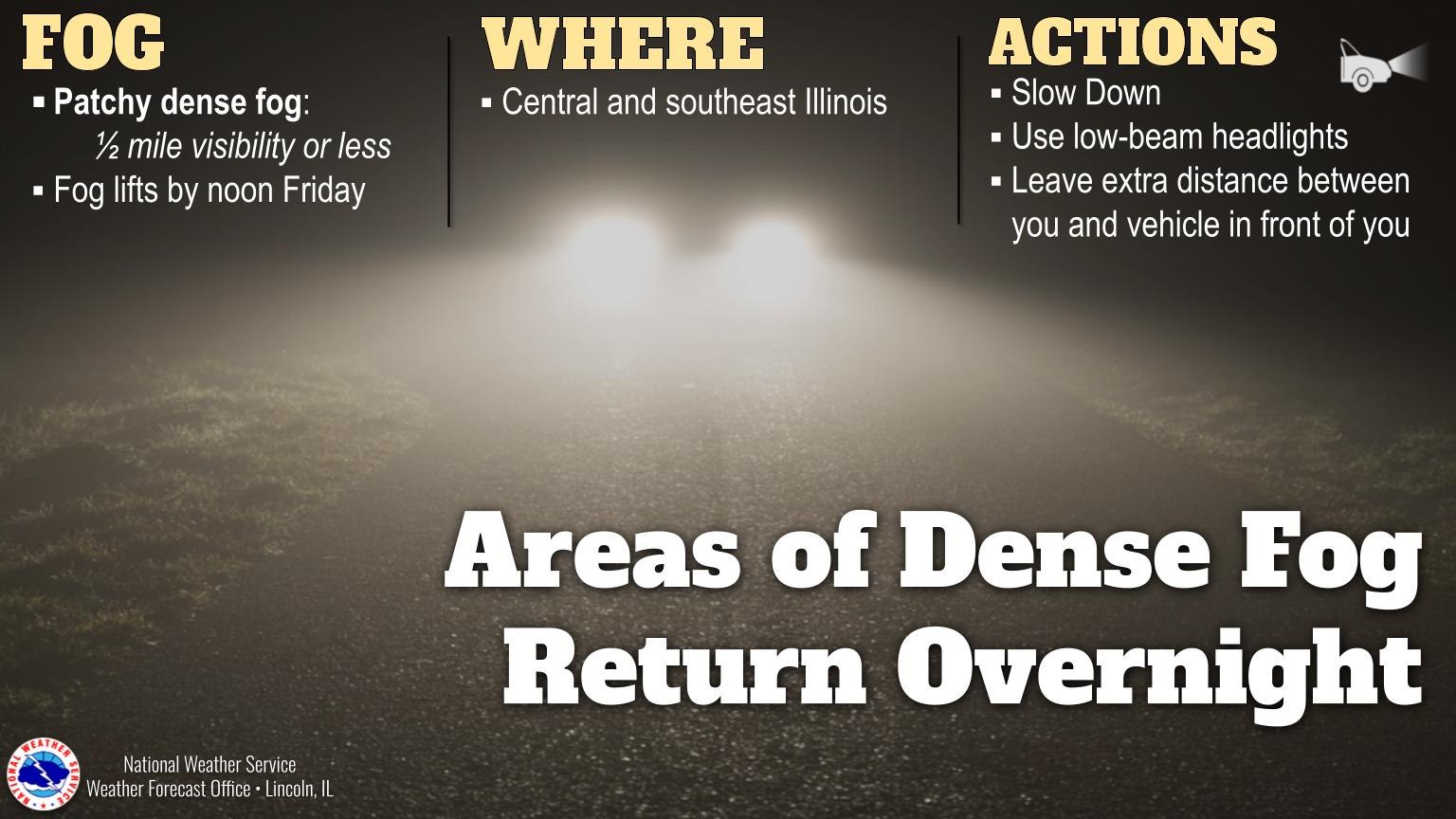
- Use low beam headlights rather than high beams, as high beams can reflect off the fog and reduce visibility further.
- Maintain a safe following distance to allow adequate time for stopping.
- Reduce speed to ensure better control of the vehicle under low visibility.
- Use road markers and the lines on the road as guides to navigate.
- If visibility becomes too limited, it’s advisable to pull over safely and wait until conditions improve.
Conclusion
Dense fog advisories serve as important warnings to the public about visibility hazards. As weather patterns shift and fog becomes a prevalent issue, understanding the implications and safety practices becomes crucial for all residents and travelers. Staying informed through local weather services and adhering to safety tips can significantly reduce the risk of accidents during such conditions. As we move further into the fall season, continued vigilance will remain essential for safe travel.