
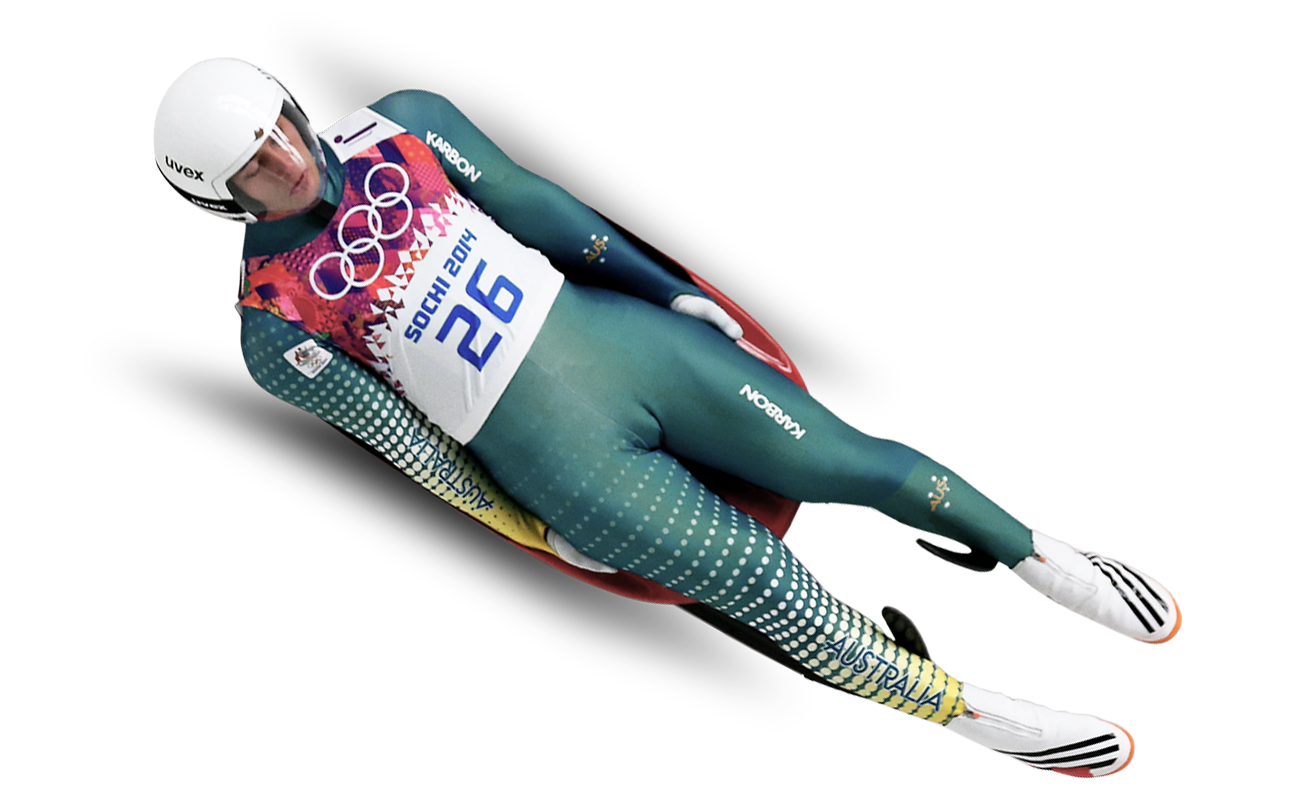
Introduction to Luge at the Olympics
Luge is one of the most thrilling winter sports featured in the Olympics, captivating audiences with its speed, precision, and grace. As a unique test of athletic ability and engineering, lugers navigate a challenging cold-weather track at breathtaking speeds that can exceed 80 miles per hour. With the Olympics approaching in February 2026, interest in luge is surging, making it essential to understand its significance, rules, and history.
The Historical Background of Luge
Luge has its origins in the late 19th century, first emerging in Switzerland before gradually expanding to other alpine countries. The sport made its Olympic debut at the 1964 Winter Games in Innsbruck, Austria, where it has continued to draw international competitors. Over the years, the sport has evolved in terms of technology and training methods, with athletes now relying on custom-designed sleds and rigorous training regimens to gain even the slightest advantage.
Current Developments in Luge
This year, several events are fostering excitement for the upcoming Olympics. The International Luge Federation (FIL) has been busy with World Cup races that showcase athletes from numerous countries, including Germany, Italy, and the USA, who dominate the podiums. The FIL is also implementing safety protocols to ensure athlete well-being, especially after the tragic events of the 2010 Vancouver Olympics, where the Georgian luger Nodar Kumaritashvili lost his life due to an accident.
Significant Luge Events and Athletes to Watch
Ahead of the Beijing Winter Games, prominent athletes like Germany’s Felix Loch and Natalie Geisenberger have been training rigorously. Loch, a three-time Olympic champion, continues to push the boundaries of the sport, while Geisenberger’s consistent podium finishes make her a significant contender. Fans should also keep an eye on emerging athletes from lesser-known countries, who are proving their mettle on international stages.
Future of Luge Olympics
As the world gears up for the Winter Olympics, the excitement surrounding luge is palpable. With advancements in training, sled technology, and increased global participation, the sport continues to grow. The surge in youth interest will contribute to a new generation of athletes and fans alike, ensuring that luge remains a staple of Olympic fervor for years to come.
Conclusion
Luge is not just a sport; it’s a quintessential part of Olympic culture, representing a thrilling blend of speed and precision. As we move closer to the 2026 Games, the importance of luge—and the stories of its athletes—will captivate audiences across the globe. As we cheer for our favorite competitors, let’s not forget the meticulous training and dedication that makes this exhilarating sport possible.