
Introduction
The Olympic Games, a showcase of athletic prowess, are not only about competition but also about national pride. The medal count serves as a key metric to gauge a country’s performance and success on the world stage. As we approach the next Olympic Games in Paris 2024, the discussion around Olympic medal counts gains importance, drawing attention to historic performances and emerging trends among participating nations.
Current Leading Countries
As of the last Olympic Games held in Tokyo in 2021, the United States led the medal count with a total of 113 medals, including 39 golds. China followed closely, achieving 88 medals with 38 golds. Japan, as the host nation, also had a remarkable performance, finishing third with a total of 58 medals. This distribution reflects not only the competitive landscape but also the investments in training and sports infrastructure made by these nations.
Trends in Olympic Performance
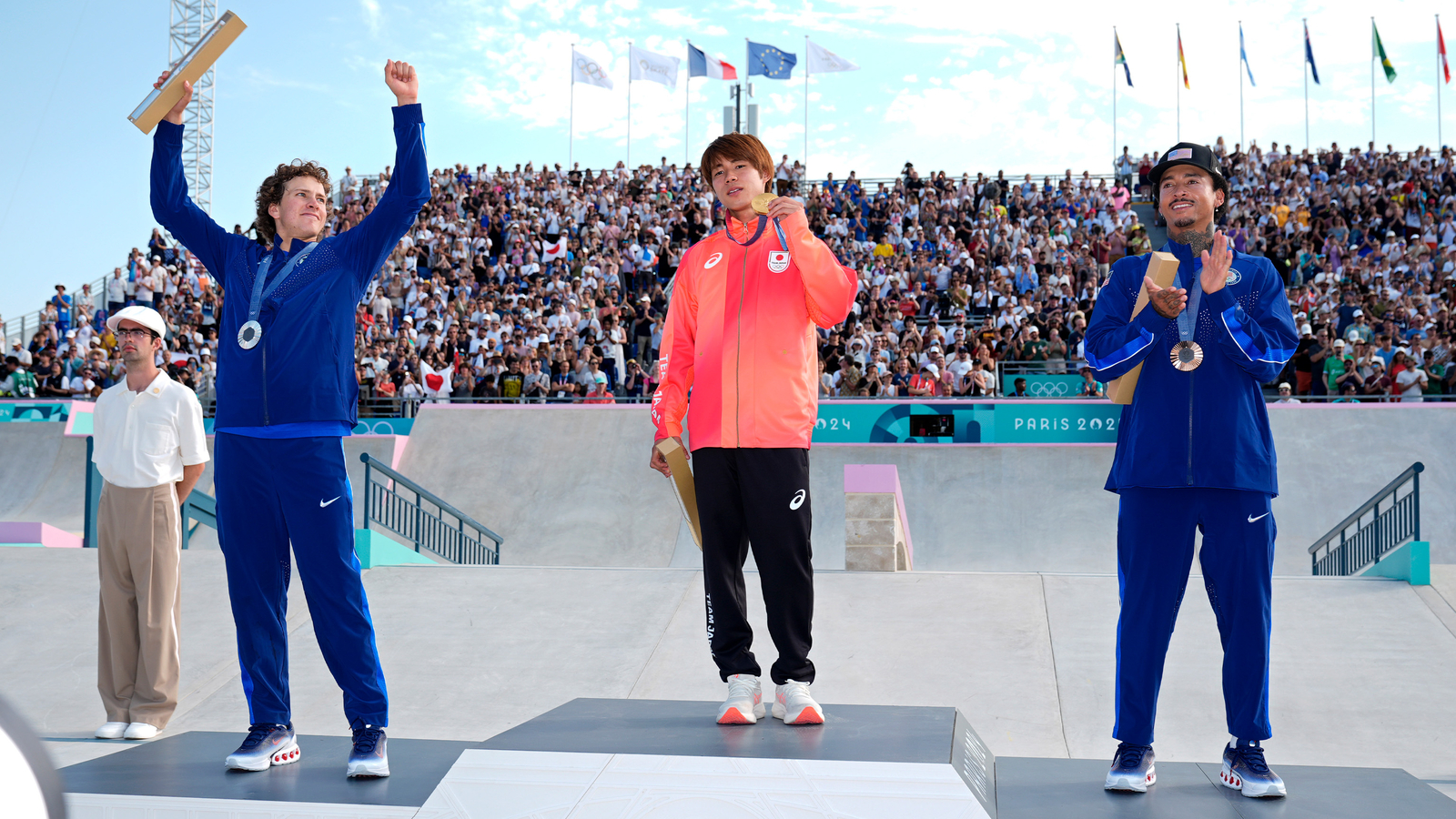
Recent trends indicate that countries such as Russia (competing under the ROC banner) and Great Britain are also becoming significant players in the medal race. With modifications in events, such as the inclusion of new sports like skateboarding and surfing, the dynamic of medal count has gradually shifted. Emerging economies in sports, such as Nigeria in athletics and India in wrestling, have also shown that they can compete at a higher level, suggesting a diversification in the talent pool.
The Importance of Medal Counts
The implications of the Olympic medal count extend beyond simple numbers. For many countries, medals symbolize national unity and global recognition. They often lead to increased funding for sports programs, boost national morale, and create a legacy for future athletes. As we analyze these trends, it’s essential to recognize how historical performances shape the future outlook of both established and emerging sporting nations.
Conclusion
As we edge closer to the Paris 2024 Olympics, monitoring the medal count and the performances of various countries will remain a topic of interest. Engaging with the Olympic movement not only highlights individual achievements but also reflects global competitiveness in sports. Readers can expect thrilling rivalries and perhaps unexpected upsets as nations strive for Olympic glory and the coveted medals that accompany it.