
Introduction
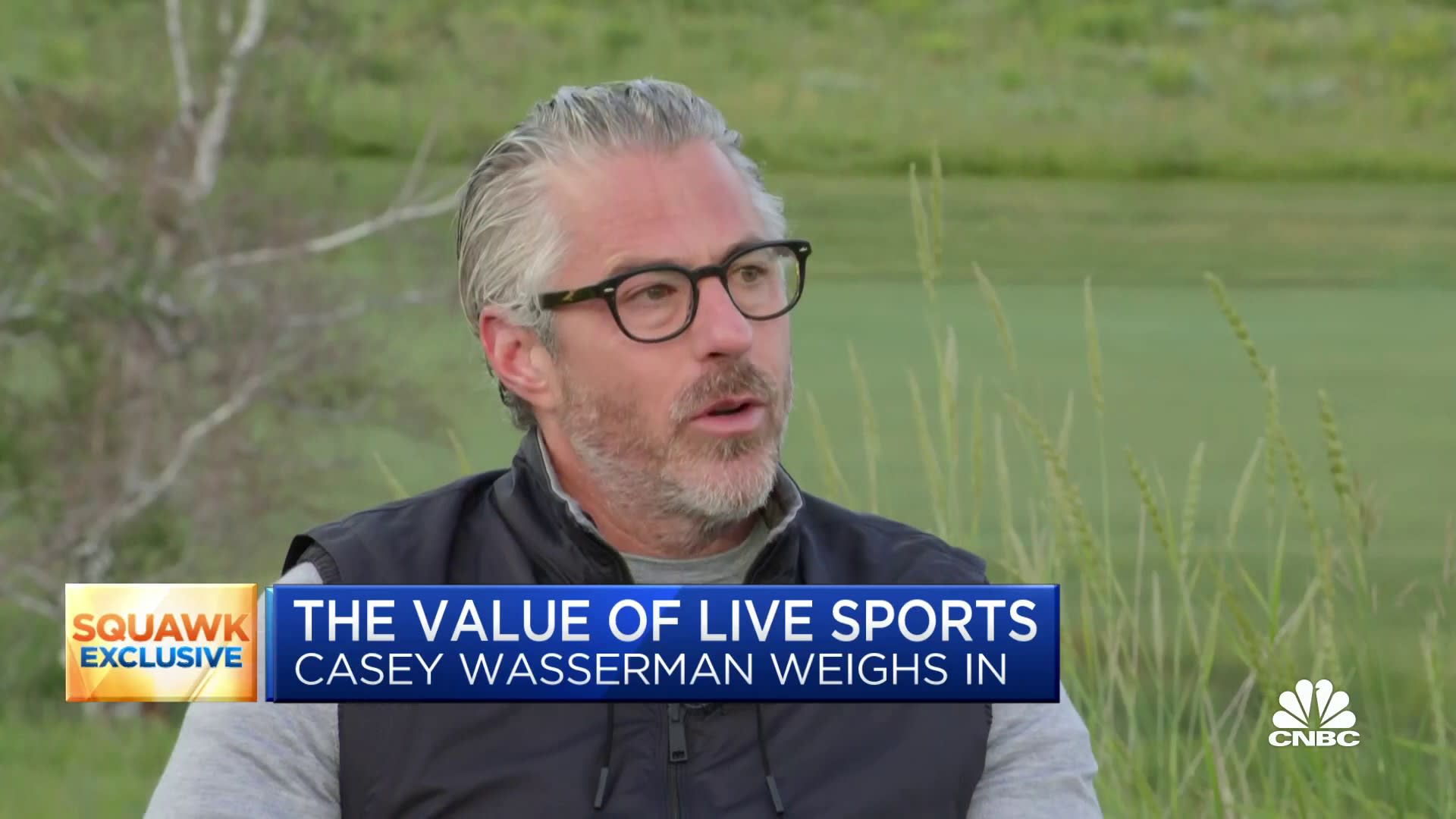
Casey Wasserman, the Chairman and CEO of Wasserman Media Group, has emerged as a pivotal figure in the intersection of sports, entertainment, and marketing. His influence extends beyond traditional management roles, as he reshapes the industry with innovative strategies and a commitment to fostering talent. Understanding Wasserman’s impact is vital for anyone interested in the evolving landscape of these sectors.
Background and Career
Born in 1974, Casey Wasserman comes from a prominent family with deep ties in the entertainment and sports industries. After graduating from the University of California, Los Angeles, he founded the Wasserman Media Group in 1998, aiming to create a modern sports and entertainment agency. Under his leadership, the agency has grown significantly, representing high-profile athletes and celebrities, while also expanding into athlete marketing and event management.
Recent Developments
In recent years, Wasserman’s company has been at the forefront of major trends in the sports industry, especially during the COVID-19 pandemic when he pivoted to virtual marketing strategies. He played a significant role in negotiating new media deals and rethinking sponsorship models, which allowed athletes and brands to remain connected in a time of uncertainty. Furthermore, Wasserman’s involvement in the planning of the Los Angeles 2028 Olympic Games highlights his commitment to enhancing local engagement and sustainable practices in sports.
Wasserman’s Vision and Influence
Wasserman advocates for the importance of diversity and inclusion within the sports and entertainment industries. He has publicly supported initiatives aimed at increasing representation, noting that varied perspectives drive innovation and success. His approach has inspired a new generation of leaders and entrepreneurs within this space, indicating a shift toward more socially responsible and equitable practices.
Conclusion
Casey Wasserman’s contributions to both sports and entertainment continue to shape how these industries operate and interact with their audiences. As technology evolves and social dynamics shift, his forward-thinking strategies set a precedent for future leaders. Observers predict that Wasserman’s influence will only grow, as he continues to advocate for change and push the boundaries of traditional models. This not only benefits the sports and entertainment sectors but also provides valuable lessons for future generations on leadership and innovation.