
Introduction
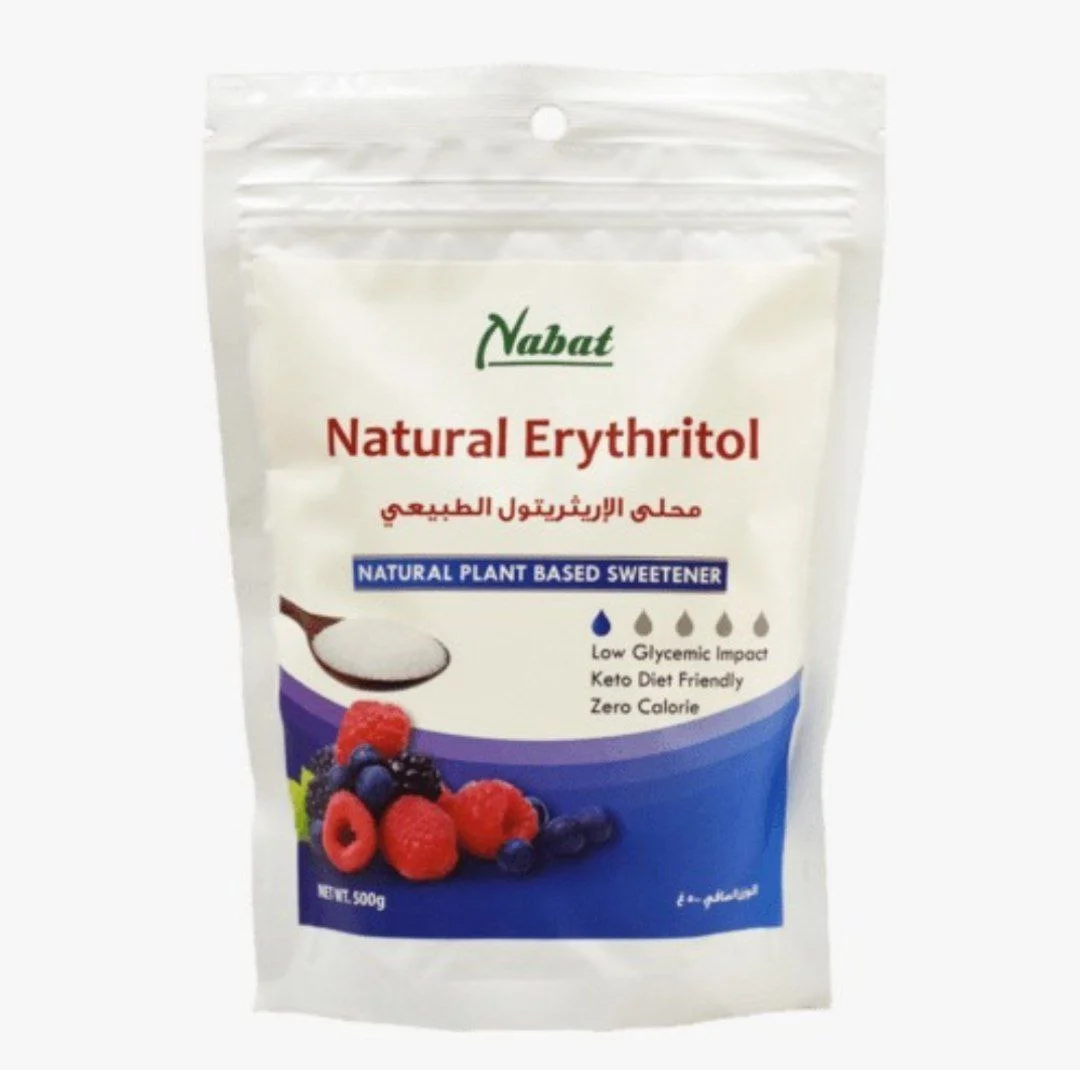
Erythritol, a sugar alcohol used as a low-calorie sweetener, has gained popularity due to its ability to mimic the sweetness of sugar without the calories. As more consumers shift towards healthier eating habits and seek sugar replacements, understanding the benefits and potential risks associated with erythritol is crucial.
What is Erythritol?
Erythritol is a naturally occurring sugar alcohol found in fruits like grapes and pears. It is roughly 60-80% as sweet as sucrose (table sugar) but has almost zero calories. Emerging as a staple in low-sugar and keto-friendly diets, its use in various food products has soared, appealing to those looking for healthier options.
Health Benefits
Research suggests that erythritol has several health benefits. Unlike traditional sugar, it does not raise blood sugar or insulin levels, making it a viable option for diabetic patients. It also contributes to dental health by not promoting tooth decay. Additionally, erythritol has antioxidant properties, which can help protect cells from damage.
Recent Studies and Concerns
Despite its benefits, recent studies have sparked debate regarding the safety of erythritol. Research published in the journal Nature in early 2023 raised concerns about potential cardiovascular risks associated with high consumption levels. The study linked elevated erythritol levels in the blood to increased likelihood of heart attacks and strokes, leading some health experts to recommend moderation in its use.
Usage and Acceptance
As a result of both its benefits and burgeoning concerns, manufacturers have begun to reassess erythritol’s place in their products. Many continue to embrace its low-calorie benefits, while others focus on naturally derived sweeteners without the associated health risks. Consumers are encouraged to read labels and make informed choices on their dietary habits.
Conclusion
While erythritol sweetener has proven to be a popular and useful sugar substitute, the recent research highlights the importance of moderation. As sugar alternatives continue to play an essential role in health-conscious diets, it is critical for consumers to assess both the benefits and potential health implications of erythritol. By staying informed, individuals can make healthier choices that align with their dietary preferences and health goals.