
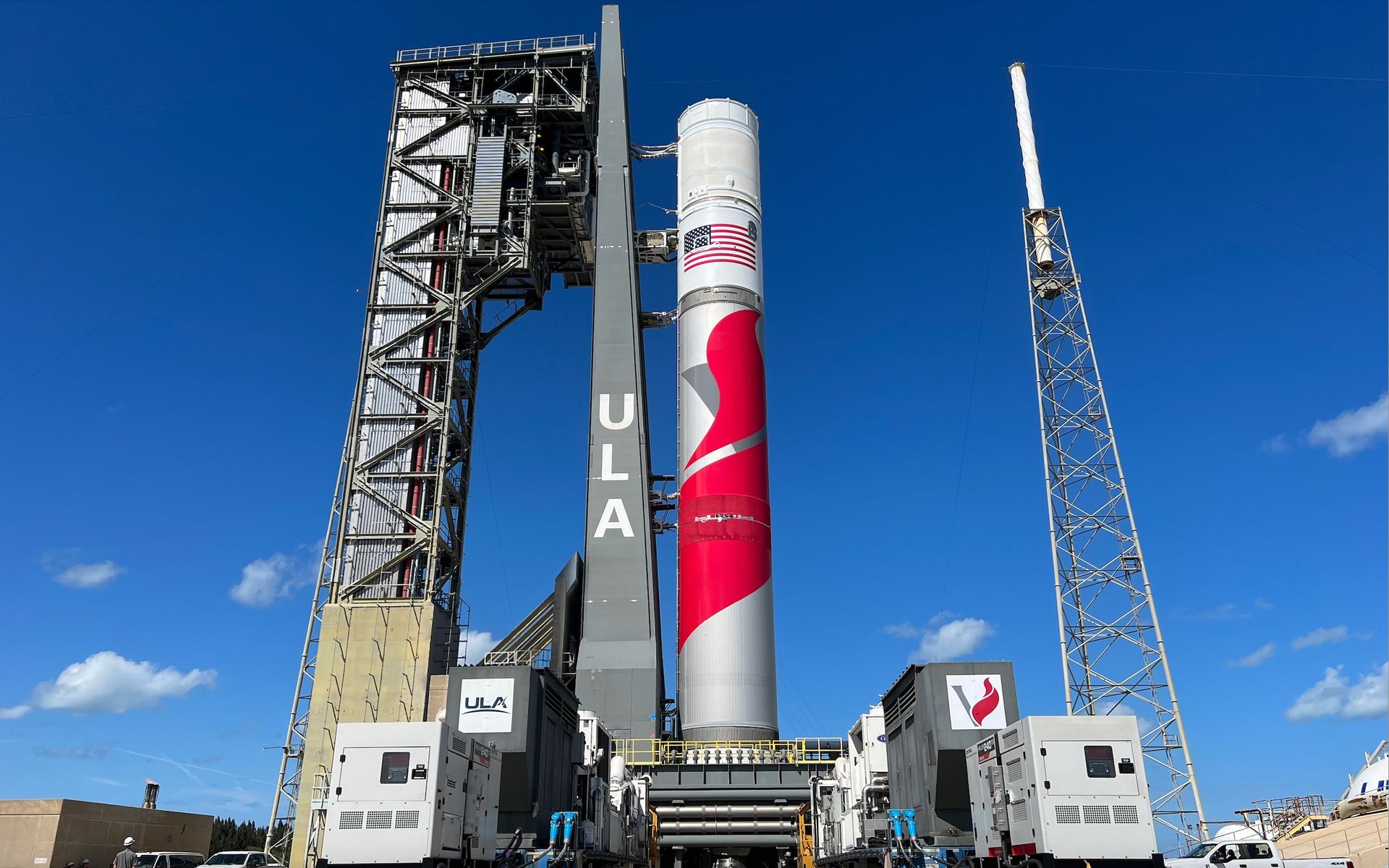
The Importance of the ULA Vulcan Rocket Launch
The ULA Vulcan rocket represents a significant advancement in the field of space exploration.
As the successor to the Atlas V and Delta IV rockets, Vulcan is designed to offer increased payload capacity, enhanced reusability, and lower costs. This makes it a crucial asset for both government and commercial launches.
Latest Updates on the Vulcan Rocket
United Launch Alliance (ULA) has announced that the inaugural launch of the Vulcan Centaur rocket is currently scheduled for early 2024, following a series of successful tests and modifications. The rocket is expected to carry the Boeing-built CST-100 Starliner spacecraft to the International Space Station (ISS) as part of NASA’s Commercial Crew Program.
In anticipation of the launch, ULA has been completing critical system validations, and the rocket has undergone several assembly and integration processes at Cape Canaveral, Florida. ULA hopes to establish the Vulcan as the premier U.S. launch vehicle for national security payloads, as well as satellite deployments for commercial clients.
Significance of the Vulcan Rocket
The Vulcan rocket is notable for its innovative use of the BE-4 engine, developed by Blue Origin, which is designed to operate on liquefied natural gas and liquid oxygen. This engine offers improved efficiency and performance, contributing to ULA’s goal of reducing launch costs. Additionally, Vulcan’s design features a two-stage architecture with a booster phase, enhancing its capability to deliver diverse payloads into various orbits.
Future Prospects
As the countdown to the inaugural launch continues, industry analysts predict that success with the Vulcan rocket could redefine launch service contracts and set a new standard in the space launch market. With increasing competition from private companies and international players, ULA is positioning itself at the forefront of space exploration technology.
In conclusion, the ULA Vulcan rocket launch is a pivotal moment not only for ULA but also for the future of space travel. Its advancements and capabilities will likely influence upcoming missions and international partnerships, shaping the landscape of future explorations beyond Earth’s atmosphere.