
Introduction: The Fear of Friday the 13th
Friday the 13th has long been known as a day of superstition and fear across many cultures. This date is often associated with bad luck and ominous events, leading to a collective anxiety that can even affect people’s daily lives. The fascination with Friday the 13th extends beyond mere superstition; it is deeply ingrained in folklore, psychology, and popular culture, making it a topic of interest and exploration in modern society.
History and Origins
The roots of Friday the 13th as an unlucky day trace back to various historical accounts and cultural beliefs. The number 13 has been considered unlucky in many cultures for centuries. Some trace this belief back to Norse mythology, where 12 gods were invited to dine in Valhalla, but a 13th, Loki, was not invited, leading to chaos. The fear of the number itself is termed ‘triskaidekaphobia,’ and its combination with Friday, which was traditionally thought of as an unlucky day, has led to the formation of the notorious superstition surrounding Friday the 13th.
Recent Events and Cultural Impact
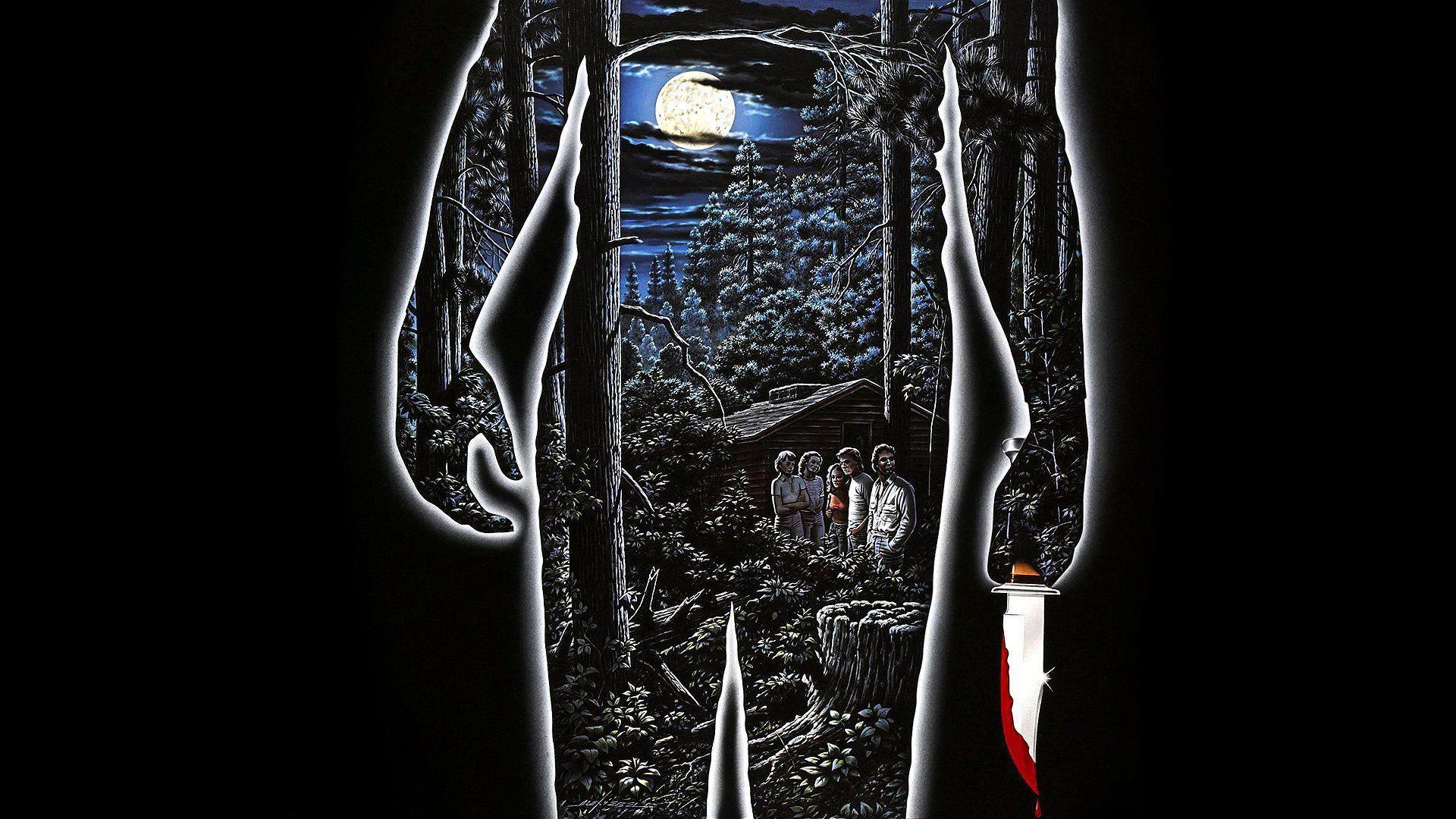
In contemporary culture, Friday the 13th has been popularized through films, literature, and even video games, creating a phenomenon that both exploits and perpetuates its reputation as an ominous day. The 1980 horror film “Friday the 13th” introduced audiences to the fictional character Jason Voorhees and solidified the date as synonymous with horror and suspense. Various psychological studies have explored the effects of this superstition, showing that many people will alter their behavior on this date to avoid potential mishaps. Businesses even see variations in sales and activities, as some individuals actively seek fortune or take on challenges they would normally avoid.
Conclusion: Friday the 13th’s Ongoing Legacy
Despite being a day filled with superstition and superstition-related trepidation, Friday the 13th presents an opportunity for individuals to confront their fears in light-hearted or entertaining contexts. As folklore and new media continue to evolve, so too does the significance of this mysterious date. It serves as a reminder of how powerful cultural beliefs can shape our emotions, behavior, and even economic activities. As we approach the next Friday the 13th, communities may welcome it with events, caution, or even festivity, showcasing how folklore continues to interweave with modern societal narratives.