
Introduction
In a world increasingly reliant on internet connectivity, SpaceX’s Starlink Internet has emerged as a critical service, especially for underserved and rural areas. Launched to provide high-speed satellite internet globally, Starlink aims to bridge the digital divide and offer services in locations where traditional broadband infrastructure is limited or nonexistent. The relevance of Starlink Internet cannot be overstated as it not only facilitates internet access but also empowers education, remote work, and telehealth services.
Current Developments
As of late 2023, Starlink has successfully deployed over 4,000 satellites in low Earth orbit, significantly boosting its coverage and performance. The service is now available in over 40 countries, including the U.S., Canada, the UK, and parts of Australia, with plans for expansion into more regions. Recently, Starlink has announced additional investments to enhance its technology and ground infrastructure, further improving service quality. Users have reported peak download speeds of up to 250 Mbps, which is notable considering traditional satellite internet services often suffer from latency and lower speeds.
Challenges and Criticisms
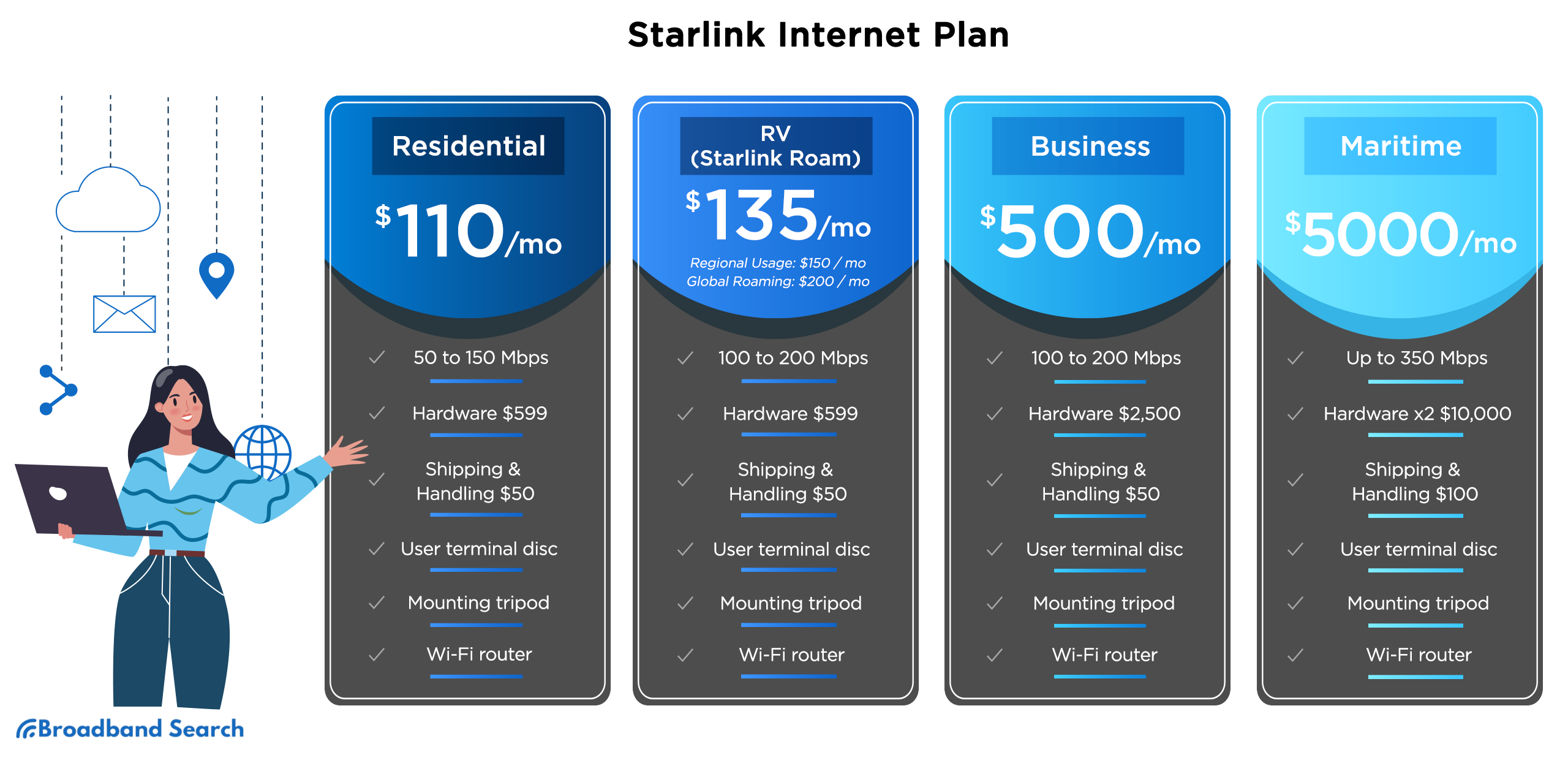
Despite its success, Starlink has faced challenges and criticisms. Concerns regarding space debris, given the number of satellites being launched, have raised alarms within the scientific community. Additionally, users in certain areas have reported variability in service quality during bad weather conditions. Moreover, the affordability of Starlink remains a point of contention, with the initial setup cost and monthly subscription fees being a barrier for some potential customers. However, the service aims to address these issues as it continues to evolve.
Conclusion
As Starlink Internet rolls out further enhancements and expands its reach, the potential benefits for global connectivity and economic growth are promising. Numerous forecasts suggest that satellite internet will play an essential role in future communications, particularly as remote work trends continue to rise. For readers, staying informed about Starlink’s developments will be crucial, as this technology may soon be available in their region, potentially transforming how they access the internet. In a world that is ever-more dependent on connectivity, Starlink represents a critical advancement towards making high-speed internet accessible and reliable everywhere.