
Introduction
The 25th Amendment of the United States Constitution plays a crucial role in outlining the procedures for presidential succession and addressing presidential disability. Enacted on February 10, 1967, in the wake of President John F. Kennedy’s assassination, it serves to ensure governmental stability in times of crises. Given the political climate and recent events, the relevance of the 25th Amendment has resurfaced in public and governmental discussions.
Key Provisions of the 25th Amendment
The 25th Amendment consists of four sections, each detailing specific procedures. Section 1 clarifies the process of filling a vacancy in the office of the President. Section 2 outlines how a vacancy in the office of the Vice President can be filled, requiring the President to nominate a successor with the approval of both houses of Congress. Section 3 provides a method for a President to voluntarily relinquish power temporarily and Section 4 addresses the scenario where a President is unable to fulfill their duties, allowing the Vice President and a majority of the Cabinet to declare the President incapacitated.
Recent Discussions and Context
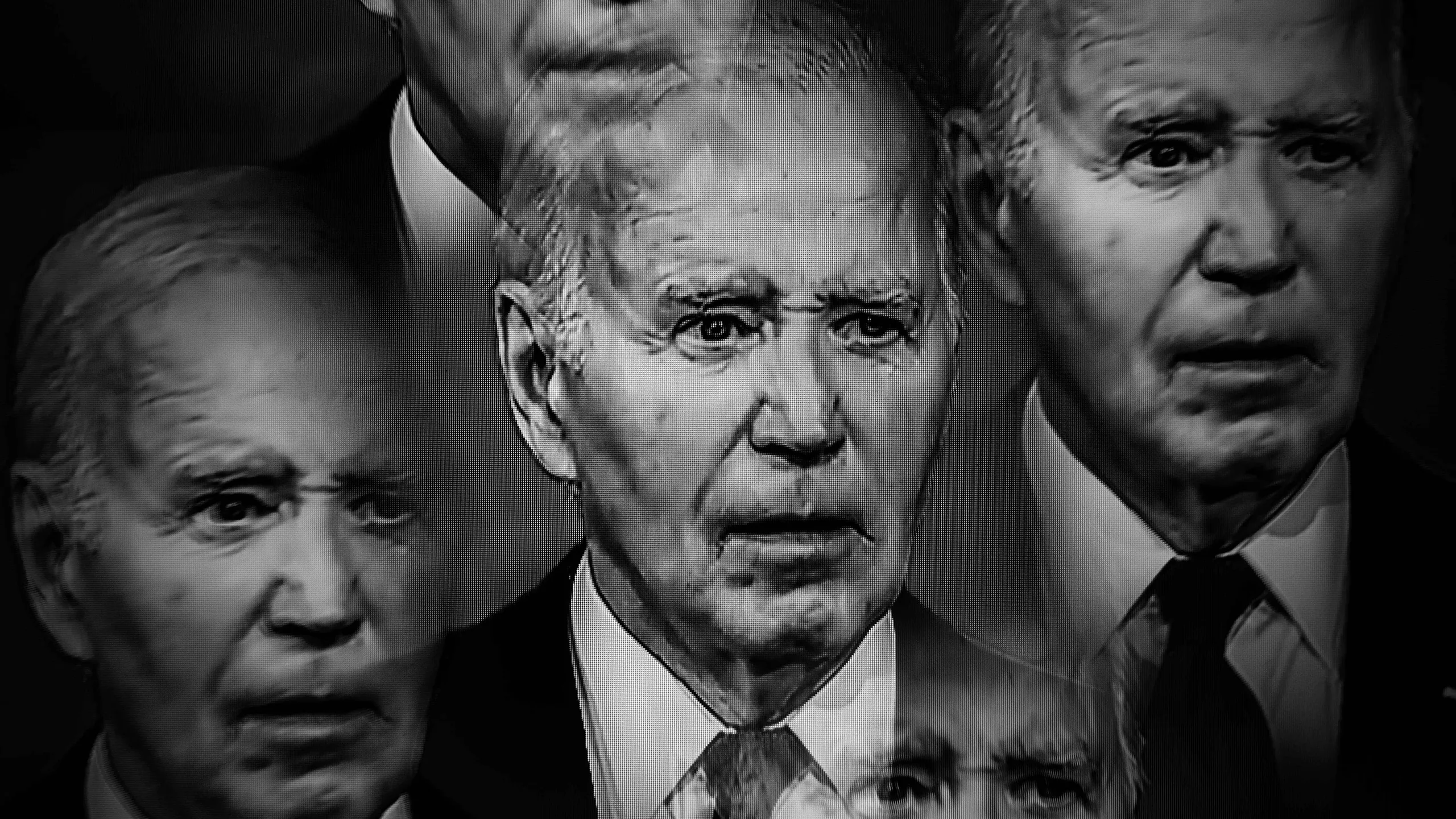
Recent political events have brought the 25th Amendment into discussions again. For instance, during President Joe Biden’s term, numerous commentators speculated on its potential invocation regarding health issues and the aging of leadership. Discussions around mental fitness and national security were heightened, particularly as the effects of a global pandemic raised questions on presidential health and responsibilities. Furthermore, in the wake of the January 6 Capitol riots, former President Donald Trump faced calls for the 25th Amendment’s use as lawmakers expressed concerns over his capacity to govern responsibly.
Conclusion
The 25th Amendment stands as a critical safeguard for American democracy, ensuring a clear pathway for presidential succession and addressing issues of incapacity. As political situations evolve, ensuring these constitutional measures are understood and accessible to the public and lawmakers is essential. Future political climates may prompt renewed scrutiny of the 25th Amendment; understanding its nuances will remain vital for effective governance and leadership stability in the United States.