
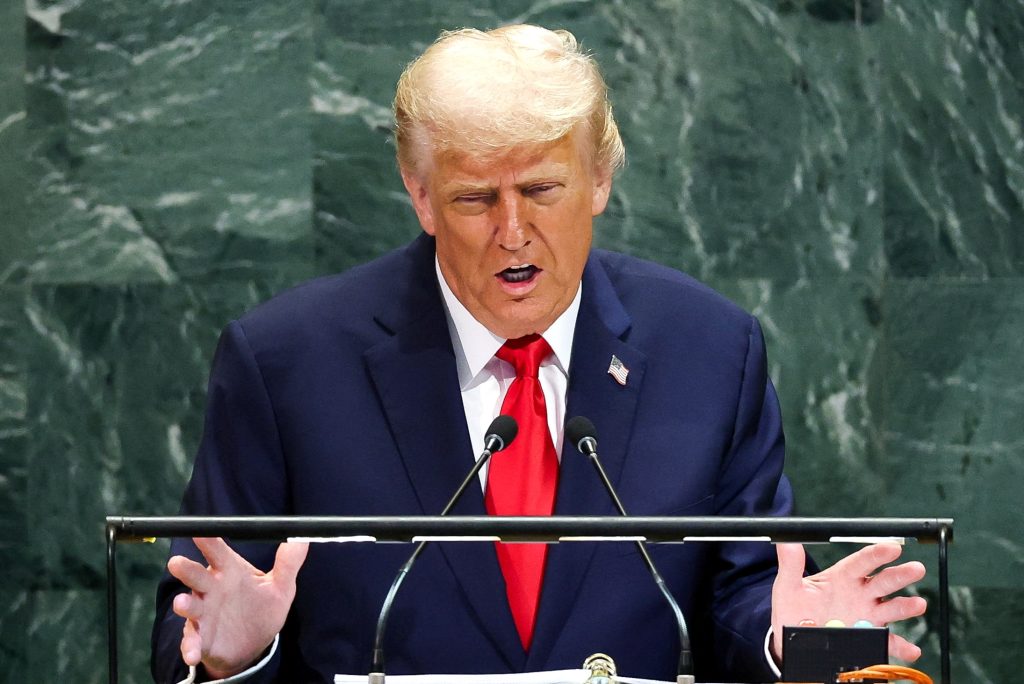
The Importance of Politics in Society
Politics plays a crucial role in shaping societies, influencing policies, and directing the allocation of resources. With events unfolding globally, understanding current political dynamics is essential for citizens and leaders alike. As we navigate through polarized opinions and debates, recognizing the relevance of political decisions is key to grasping how they impact our daily lives.
Recent Developments in Global Politics
In recent weeks, significant developments have emerged on the political front. In the United States, the ongoing debate over the national budget has led to tensions between Democrats and Republicans, with potential implications for federal funding and social services. Experts caution that a failure to reach consensus could trigger a government shutdown, affecting millions of Americans.
Meanwhile, across the Atlantic, the political landscape in Europe is shifting with the emergence of new parties advocating for climate action and social justice. In Germany, the coalition government faces pressure over its climate policies as student-led protests grow more widespread. Observers note that these movements are not isolated, with similar sentiments echoing in neighboring countries.
Impacts of Social Media on Politics
Another critical aspect of today’s political environment is the role of social media. Platforms like Twitter, Facebook, and Instagram have transformed how politicians communicate with constituents and how voters engage with political content. Misinformation has become rampant, leading to calls for regulating content to ensure accuracy and prevent manipulation. Recent studies show that misinformation can significantly influence public opinion and voter behavior, highlighting the need for digital literacy and critical thinking in society.
Looking Ahead: What to Expect
As we look toward the future, analysts predict an increase in grassroots movements as citizens become more politically aware and engaged. Issues such as healthcare, education reform, and climate change are likely to dominate political discussions leading up to upcoming elections worldwide. Additionally, as international relations evolve, political alliances and conflicts will continue to reshape the landscape.
In conclusion, staying informed about politics is not merely an academic exercise but a necessary component for active citizenship. By understanding political processes and current events, individuals can better advocate for their interests and hold leaders accountable. The interplay of these dynamics signals a critical period in global governance, where the actions taken today will reverberate for generations.