
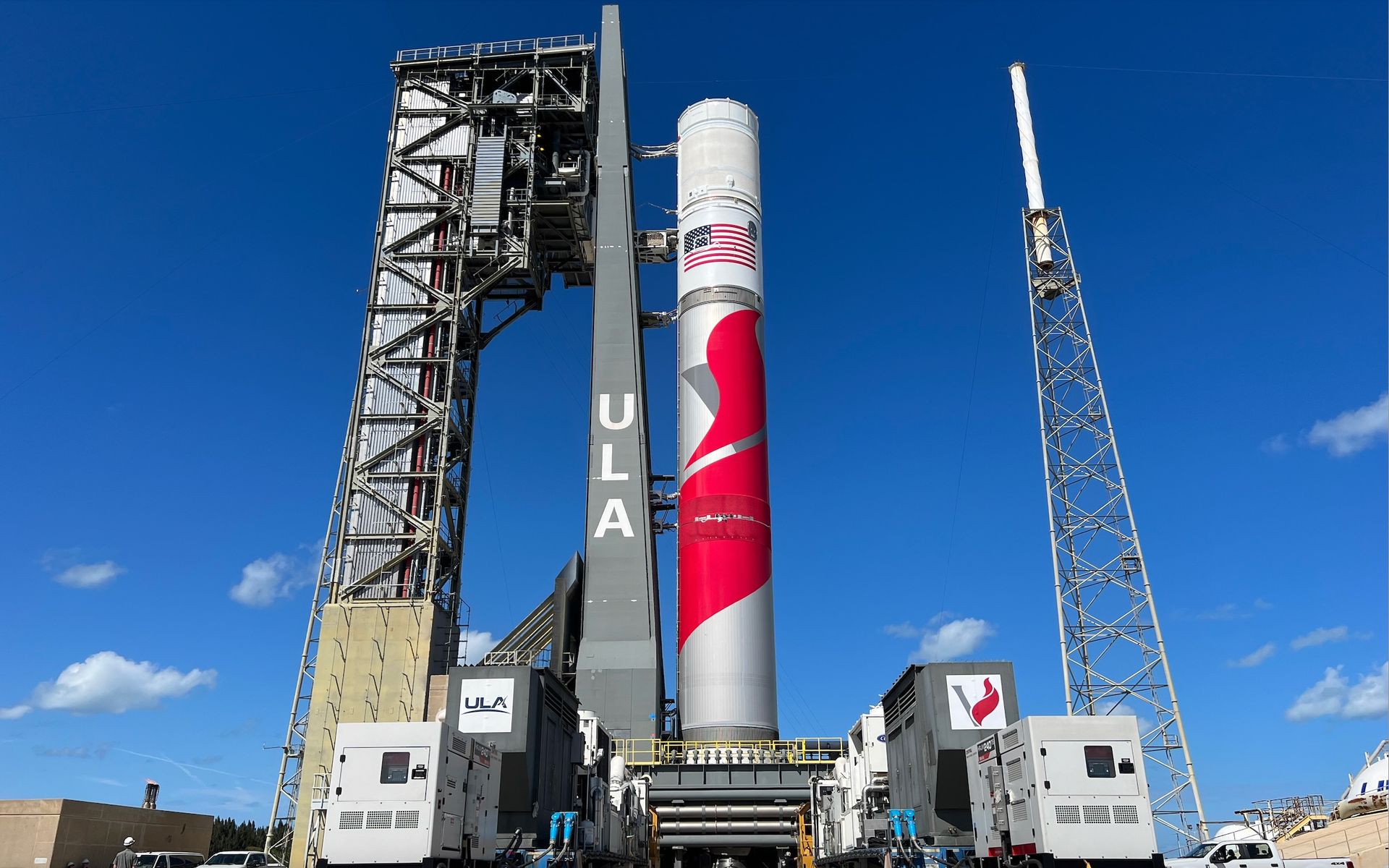
Introduction to the ULA Vulcan Rocket Launch
The United Launch Alliance (ULA) is on the brink of a significant milestone with the much-anticipated launch of its Vulcan Centaur rocket. Scheduled for late 2023, this launch is not just a technical achievement but also a pivotal moment for the future of space exploration and satellite deployment. As ULA strives to enhance its capabilities in the competitive space launch market, the Vulcan rocket symbolizes innovation and resilience stemming from past technological endeavors.
Details of the Vulcan Rocket
The Vulcan Centaur rocket, designed to replace ULA’s existing Atlas V and Delta IV rockets, boasts numerous upgrades that enhance its payload capacity and reliability. With the ability to carry up to 27,000 kilograms to low Earth orbit, it’s equipped with new technology, including the advanced BE-4 engines developed by Blue Origin. The rocket’s design prioritizes efficiency and cost-effectiveness, aiming to lower the barriers for launching payloads into space.
Importance of the Launch
The inaugural launch of the Vulcan Centaur is crucial for ULA and NASA, as it is set to deliver pivotal national security satellites and scientific payloads. The launch is also essential for securing contracts against emerging competitors like SpaceX, which has gained considerable traction in the aerospace industry. ULA aims to assure both governmental and private sector customers of its reliability and leadership in launching missions critical to national interests.
Current Status and Next Steps
As of October 2023, the Vulcan Centaur’s final preparations are underway at the Cape Canaveral Space Force Station in Florida. Recent technical reviews have confirmed that the rocket is on track for its planned launch window. ULA has conducted several test firings of the BE-4 engines and is fine-tuning the launch vehicle’s systems to ensure a smooth operation. The company expects to make adjustments based on final checks and potential weather considerations, a common practice to secure mission success.
Conclusion and Future Outlook
The ULA Vulcan rocket launch marks a transformative step in aerospace technology and will likely set standards for future launches in the coming years. Should the launch go as planned, this will not only enhance ULA’s portfolio but also reaffirm the United States’ position in the global space race. As satellite technology becomes increasingly vital for communication, navigation, and global security, the success of the Vulcan rocket could usher in a new era of space exploration, affirming ULA’s commitment to pushing the boundaries of what is possible in aerospace technology.