
Introduction
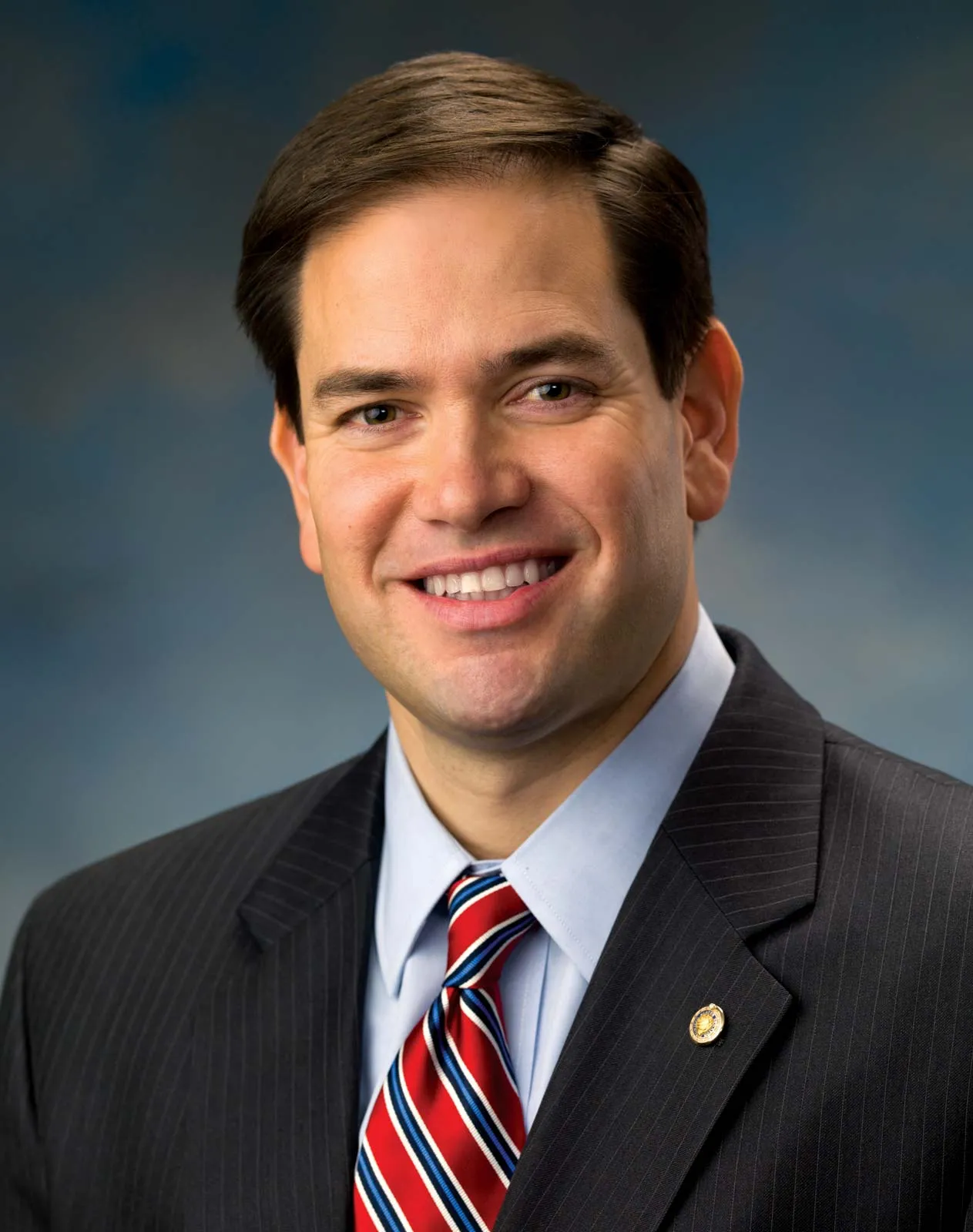
Senator Marco Rubio has emerged as a prominent figure in American politics, representing Florida in the U.S. Senate since 2011. Known for his influential role in the Senate and his involvement in key legislative efforts, Rubio’s political career is marked by significant events and decisions that resonate with both his constituents and the broader national landscape.
Background and Rise in Politics
Born on May 28, 1971, in Miami, Florida, Marco Antonio Rubio is the son of Cuban immigrants. He earned his bachelor’s degree from the University of Florida and later attended the University of Miami School of Law. Rubio began his political career in the Florida House of Representatives, eventually serving as Speaker from 2006 to 2008. His ascent to the Senate was characterized by his strong support for conservative principles, particularly regarding issues like immigration reform, health care, and economic policies.
Key Legislative Efforts
During his tenure in the Senate, Rubio has been involved in various significant legislative initiatives. Initially gaining national fame during his 2016 presidential campaign, Rubio advocated for comprehensive immigration reform, which included a pathway to citizenship for undocumented residents. Despite facing criticism, he has continued to push for bipartisan solutions on immigration-related issues.
As part of the Senate Intelligence Committee, Rubio played a crucial role in addressing national security threats and foreign policy challenges, particularly concerning Russia and China. His work in the committee has led to increased scrutiny of technology companies for their ties to countries with adversarial stances towards the United States.
Recent Developments
As the political landscape shifts, Rubio remains active and vocal on several contemporary issues, including the ongoing economic recovery post-COVID-19 and the implications of inflation on middle-class families. He has advocated for policies aimed at boosting American manufacturing and reducing reliance on foreign supply chains, which has resonated with many voters in his home state.
Conclusion
Marco Rubio’s career embodies the evolving nature of American politics. As he navigates the complexities of contemporary issues, his influence in the Senate will likely shape the future of legislation on immigration, national security, and economic policy. As he gears up for future elections, both supporters and critics will be closely watching his strategies and positions, making his actions significant for readers interested in the political landscape of the United States.