
Introduction
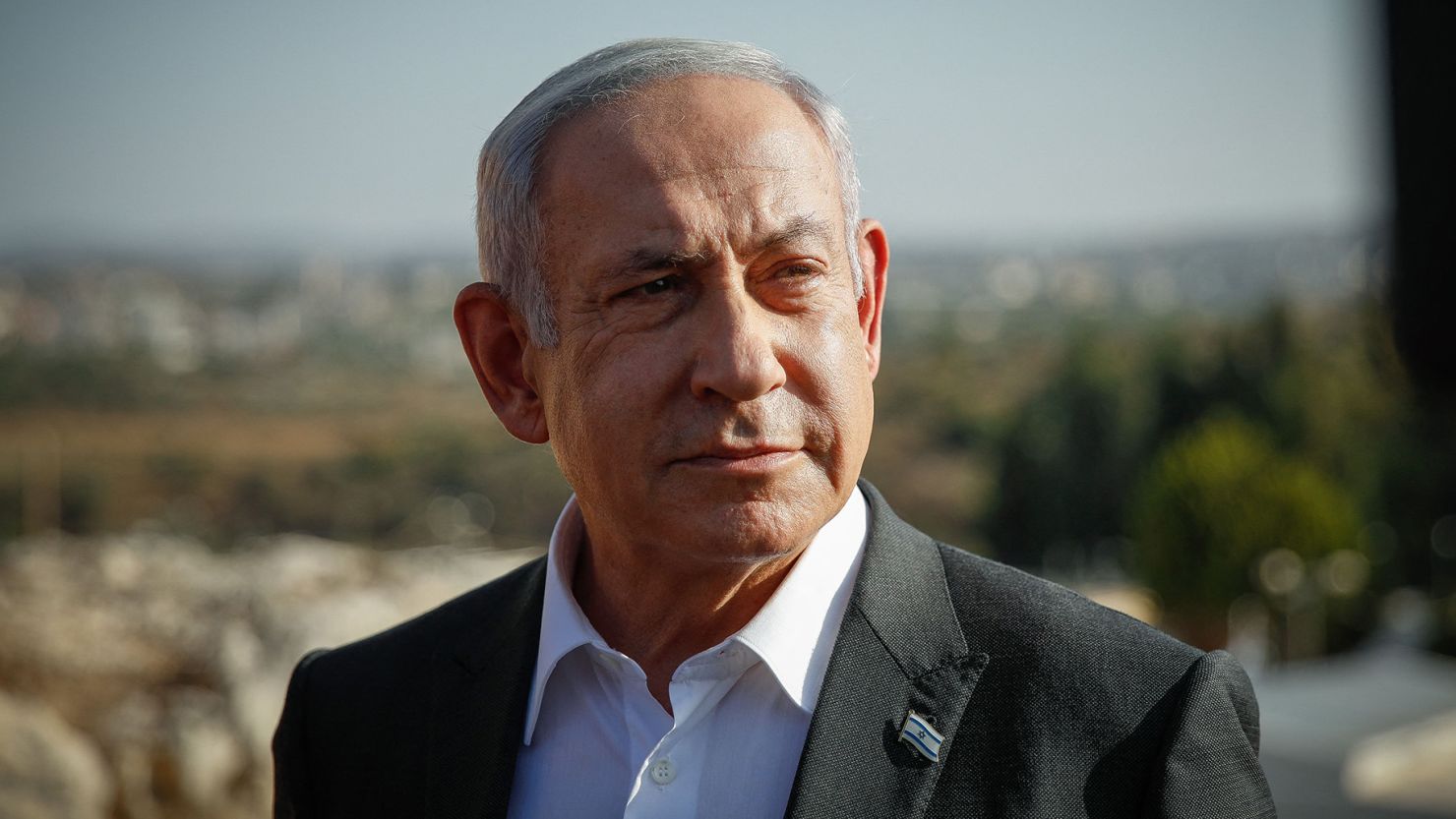
Benjamin Netanyahu’s political career has been a defining element of Israeli politics for decades. As one of the longest-serving prime ministers in Israel’s history, Netanyahu’s policies and leadership style have significantly influenced both domestic and international relations. With recent developments in Israel’s government and security landscape, understanding Netanyahu’s role is more important than ever.
Recent Developments
As of October 2023, Netanyahu’s administration has faced escalating tensions with Palestinians, particularly following the recent surge in violence in the West Bank and Gaza Strip. Critics argue that Netanyahu’s hardline policies prioritize security over diplomatic resolutions, leading to increased instability in the region. His government has also been criticized for its approach to judicial reforms, which many view as an attempt to weaken checks and balances in the Israeli legal system.
Government Challenges
Netanyahu’s coalition government, formed in December 2022, has been under pressure from both within and outside. Internal dissent from coalition partners over budget allocations and security policies has added complexity to his administration. Additionally, widespread protests against the proposed judicial reforms have indicated a significant public backlash against his leadership, with calls for accountability and democratic integrity growing louder.
Public Reactions and Protests
The proposed changes to the judicial system have ignited protests across various Israeli cities, with citizens rallying for judicial independence and the rule of law. Various Israeli civil society organizations have been at the forefront of these protests, asserting that these reforms threaten the democratic fabric of the nation. Netanyahu has responded by reaffirming his commitment to security and expressing his intent to proceed with the reforms.
International Responses
Internationally, Netanyahu’s standing has also been scrutinized. The Biden administration has urged restraint in dealing with Palestinian tensions and emphasized the importance of a two-state solution. European nations have similarly called for dialogue and a halt to further settlement expansions, which they view as detrimental to peace efforts.
Conclusion
Benjamin Netanyahu’s influence remains a pivotal factor in shaping Israel’s political landscape. As he navigates through internal challenges and external pressures, the coming months are likely to be critical for his administration. Observers predict that he will either solidify his position through continued hardline policies or find a way to pivot towards a more diplomatic approach, potentially reshaping the future of Israeli governance. For readers, understanding these dynamics is essential to grasp the intricacies of not only Israeli politics but also the broader implications for peace in the Middle East.