
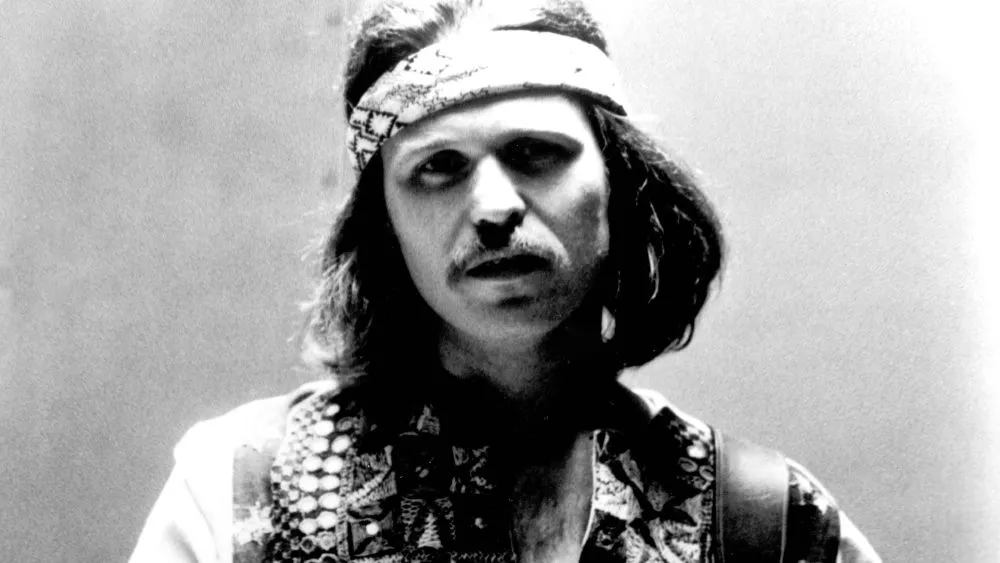
Country Joe McDonald, a Significant Figure in Music and Activism
Country Joe McDonald was a significant figure in the 1960s counterculture movement, known for blending folk, rock, and political commentary in his music. Born Joseph Allen McDonald on January 1, 1942, in Washington, D.C., he co-founded the band Country Joe and the Fish in 1965 with guitarist Barry Melton. The band became famous for their anti-Vietnam War anthem, “I-Feel-Like-I’m-Fixin’-to-Die Rag,” which resonated with a generation questioning authority and the motives behind the war.
On March 7, 2026, McDonald passed away at the age of 84 due to complications from Parkinson’s disease. His death marks the end of an era for many who grew up during the tumultuous 1960s and 1970s, a time when music was a powerful tool for social change. McDonald’s contributions to music and activism were not only significant during his peak years but continued throughout his life.
McDonald was not only a musician but also a veteran, having served in the U.S. Navy from 1959 to 1962. His experiences in the military influenced his music, particularly his views on war. He famously stated, “Come on mothers throughout the land, pack your boys off to Vietnam,” highlighting his anti-war stance. His performances at events like the Woodstock Festival in 1969 further solidified his status as a voice for peace and change.
Throughout his career, McDonald released over 30 albums, showcasing his evolution as an artist while remaining committed to addressing social issues. Even after the disbandment of Country Joe and the Fish in 1971, he continued to write songs that focused on environmental issues and civil rights, reflecting his lifelong dedication to activism.
McDonald was raised in a socialist family, with parents who were members of the Communist Party, which likely shaped his political views and artistic expression. He often spoke about the importance of his music as a means of conveying messages that challenged societal norms. He once remarked, “The important thing about the ‘Fixin’ to Die Rag’ was that it had a new point of view that did not blame soldiers for war,” emphasizing his empathetic approach to the topic.
He is survived by his wife, Kathy, and five children. His legacy as a musician and activist will continue to inspire future generations. Observers note that McDonald’s impact on music and social justice will be remembered as a vital part of American history, particularly during a time when music served as a catalyst for change.
As tributes pour in from fans and fellow musicians, many reflect on McDonald’s unique ability to blend entertainment with activism. His music remains a poignant reminder of the power of art to influence society and provoke thought. Details remain unconfirmed regarding any planned memorial services or tributes to honor his life and contributions.