
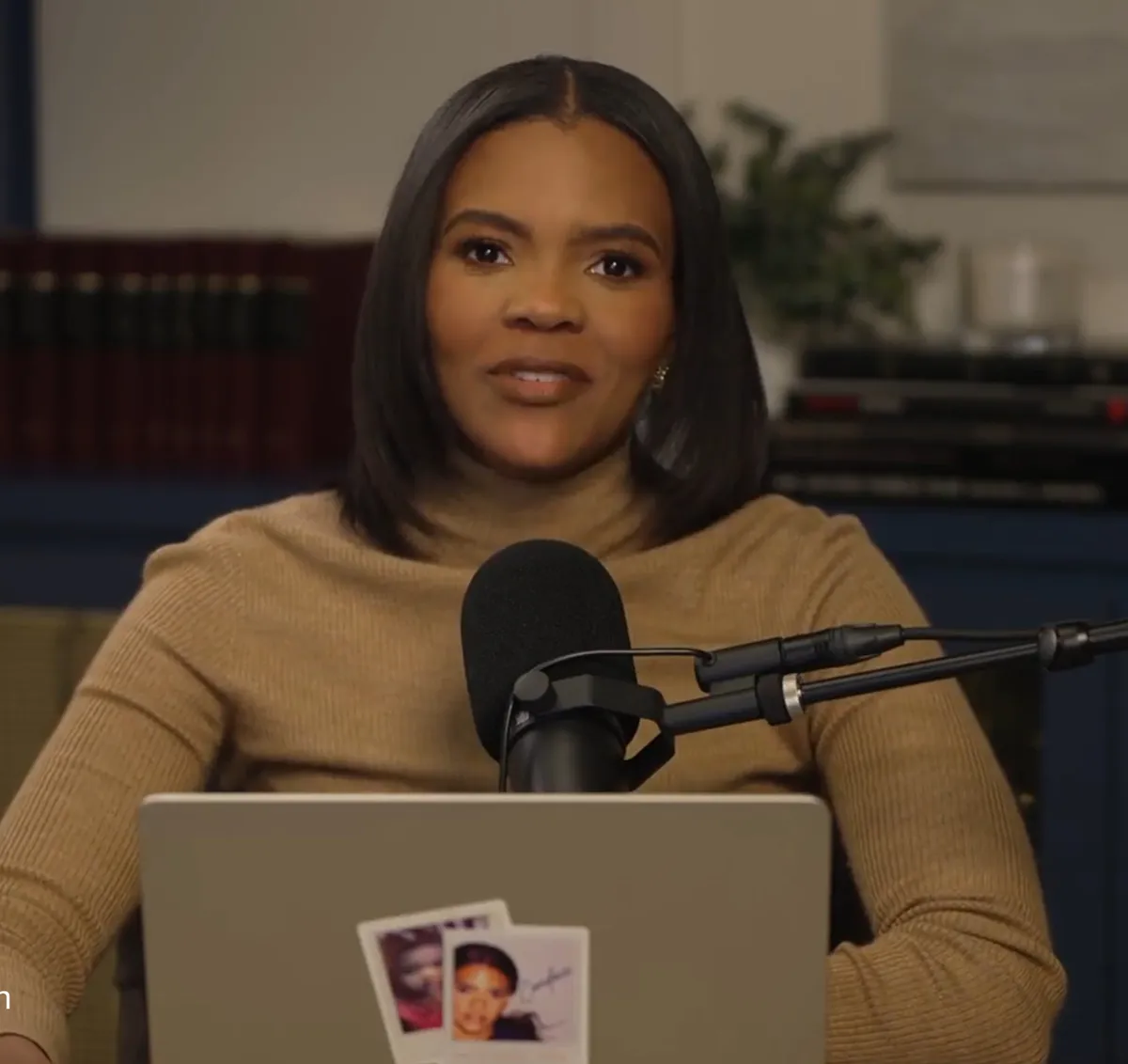
In recent weeks, Candace Owens has found herself at the center of controversy following a series of provocative statements regarding the U.S. military and the ongoing conflict in Iran. Just before the escalation of tensions, Owens shared a screenshot of a text message from Charlie Kirk, co-founder of Turning Point USA, in which he made disparaging remarks about Meghan McCain, daughter of the late Senator John McCain.
As the situation in Iran intensified, Owens took to social media to express her views, encouraging her followers to “Do not join or remain in the United States Military.” This statement came amid reports that at least seven U.S. service members had died since the start of the conflict over a week ago.
Owens has increasingly adopted an isolationist and anti-interventionist stance, which she articulated by accusing the Trump administration of betraying American interests in favor of Israeli ones. She controversially referred to the conflict in the Middle East as a war on behalf of “satanic pedophiles,” a remark that has drawn widespread criticism.
In a recent poll conducted by the Democracy Institute, it was revealed that a significant majority of Americans, approximately 65%, oppose the conflict in Iran, reflecting a growing discontent with U.S. military involvement abroad.
Following the death of Charlie Kirk in September 2025, Owens criticized fellow conservative Ben Shapiro for his remarks regarding Kirk’s legacy. Shapiro had stated, “I will pick up Charlie’s bloody mic,” which Owens interpreted as an inappropriate response to Kirk’s passing.
These developments underscore a notable shift in Owens’ political trajectory, as she has moved from being a staunch supporter of the MAGA movement to a vocal critic of its current direction.
The implications of Owens’ statements are significant, as they resonate with a segment of the conservative base that is increasingly skeptical of military interventions. Her call for military resignation and her harsh critiques of established conservative figures like Shapiro and Kirk mark a departure from traditional Republican rhetoric.
As the situation unfolds, it remains to be seen how Owens’ comments will impact her standing within the conservative community and the broader political landscape.
Details remain unconfirmed regarding the full extent of the backlash against her statements, but the discourse surrounding her views continues to evolve.