
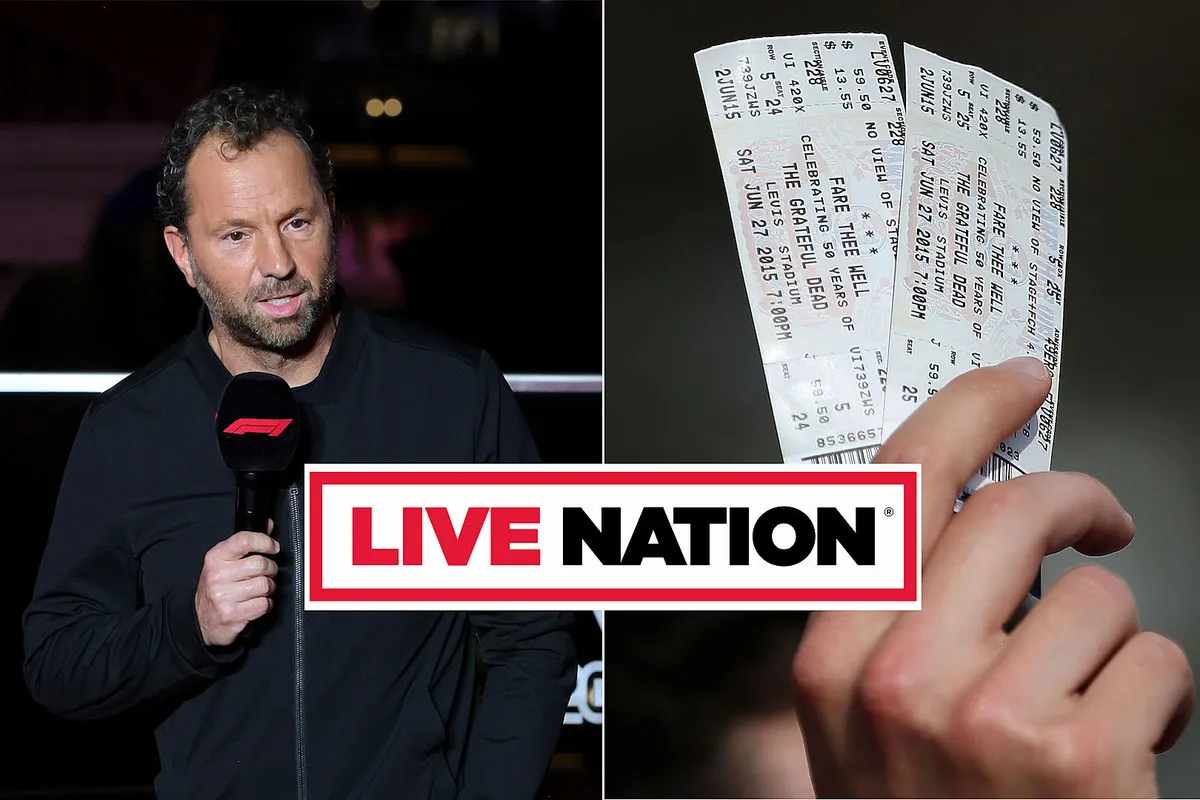
In a significant development for the live events industry, Live Nation Entertainment is in the spotlight following a surprise settlement with the Department of Justice (DOJ) regarding antitrust allegations. This settlement was reached in early March 2026, amid ongoing scrutiny over the company’s practices in the concert market.
Ari Emanuel, a prominent figure in the industry, suggested that President Trump and the DOJ should consider settling the case against Live Nation, highlighting the contentious nature of the ongoing legal battles. Meanwhile, Live Nation’s CEO, Michael Rapino, has been actively defending the company against accusations of monopolizing live concerts across the United States.
Despite Rapino’s defense, the settlement has drawn criticism, as a majority of state attorneys general expressed their opposition. This reflects a broader concern about the implications of such a settlement on competition within the live events sector.
Rapino has emphasized that Live Nation has introduced ‘business professionalism’ to the live events space, aiming to counteract negative perceptions. However, past comments from a Live Nation regional ticketing director, who referred to ‘robbing’ concertgoers through increased fees, have resurfaced, complicating the company’s public image.
Financially, Live Nation Entertainment has reported a revenue of $6.31 billion for the last quarter, with a market capitalization of $34.98 billion. However, the company faces challenges, including a high debt-to-equity ratio of 8.51 and a net margin of just 1.79%.
In a notable shift, Teamwork Financial Advisors LLC drastically reduced its stake in Live Nation by 96.3% in the fourth quarter of 2026, indicating potential investor concerns about the company’s future. Live Nation’s stock has fluctuated significantly, with a 1-year low of $113.20 and a high of $175.25, reflecting the volatility surrounding the company’s market position.
As the situation unfolds, reactions from industry leaders and stakeholders continue to emerge. Rapino’s statement, “We would never say no to Adele,” underscores the company’s ongoing commitment to securing high-profile talent, despite the legal challenges it faces.
While the DOJ’s settlement may bring some resolution, the broader implications for Live Nation and the live events industry remain uncertain. Stakeholders are closely monitoring the developments, as the outcome could reshape the landscape of live entertainment.
Details remain unconfirmed regarding the long-term effects of the settlement and how it will influence Live Nation’s operations moving forward.