
How it unfolded
As of March 31, 2026, Springfield Public Schools (SPS) is facing a budget deficit that has seen a reduction from $10.4 million to $7.9 million. This shift comes amidst ongoing financial challenges that the district has been grappling with, primarily driven by a significant decline in student enrollment and rising operational costs.
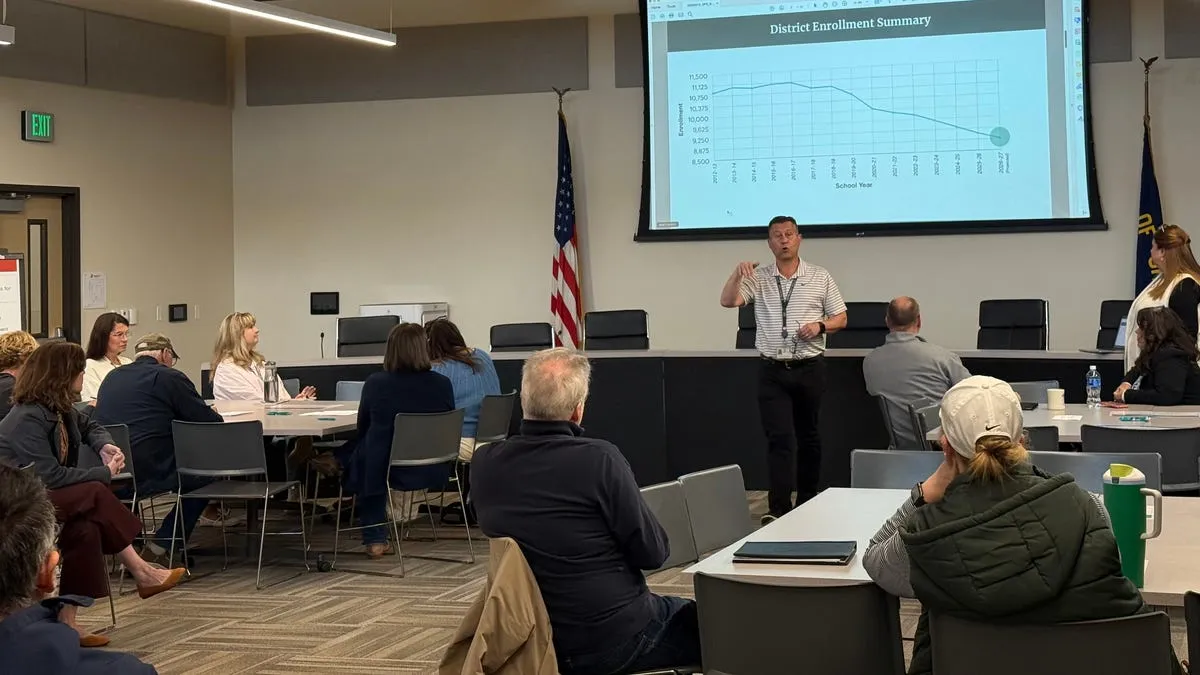
In recent years, enrollment at Springfield Public Schools has decreased by more than 2,000 students since the 2016-17 school year. This drop in student numbers has directly impacted the district’s funding, as state allocations are often tied to enrollment figures. In response to the financial strain, the district has implemented a hiring freeze and reallocated capital dollars to help mitigate the deficit.
To engage the community and gather feedback on budget priorities, SPS has organized four community forums. The first of these forums took place on March 30, 2026. Brett Yancey, the chief operations officer for SPS, emphasized the importance of these forums, stating, “The district is holding four community forums to get feedback and find out priorities.” This initiative aims to involve stakeholders in the decision-making process as the district navigates its financial challenges.
Despite the efforts to reduce the deficit, Springfield Public Schools anticipates spending down approximately $6.7 million of its reserves this year. This spending is significant, as it will reduce the district’s reserves from an initial amount of $20.9 million to an expected $14.2 million after the current fiscal year’s expenditures. The budget shortfall represents about 5% of the general fund budget, which is approximately $150 million.
In addition to Springfield’s challenges, nearby districts are also facing financial difficulties. The Eugene School District 4J is grappling with a potential shortfall of up to $50 million, while the Bethel School District is operating on a $1.8 million deficit and has made the difficult decision to close Shasta Middle School. These developments highlight a broader trend of financial strain within local education systems.
Compounding the issue, 79% of Springfield Public Schools’ general fund is allocated toward compensation, which limits the district’s flexibility in addressing budgetary shortfalls. In January, the district laid off 27 licensed employees due to the ongoing budget shortfall, a move that underscores the severity of the financial situation.
The current state of the budget deficit in Springfield Public Schools is a reflection of the complex interplay between declining enrollment, rising costs, and the need for community engagement in financial decision-making. As the district continues to navigate these challenges, the outcomes of the community forums and subsequent budget decisions will be critical for the future of education in Springfield.
As the situation evolves, it remains to be seen how Springfield Public Schools will balance the need for fiscal responsibility with the imperative to provide quality education to its students. The decisions made in the coming months will have lasting implications for the district and its stakeholders.