
Introduction
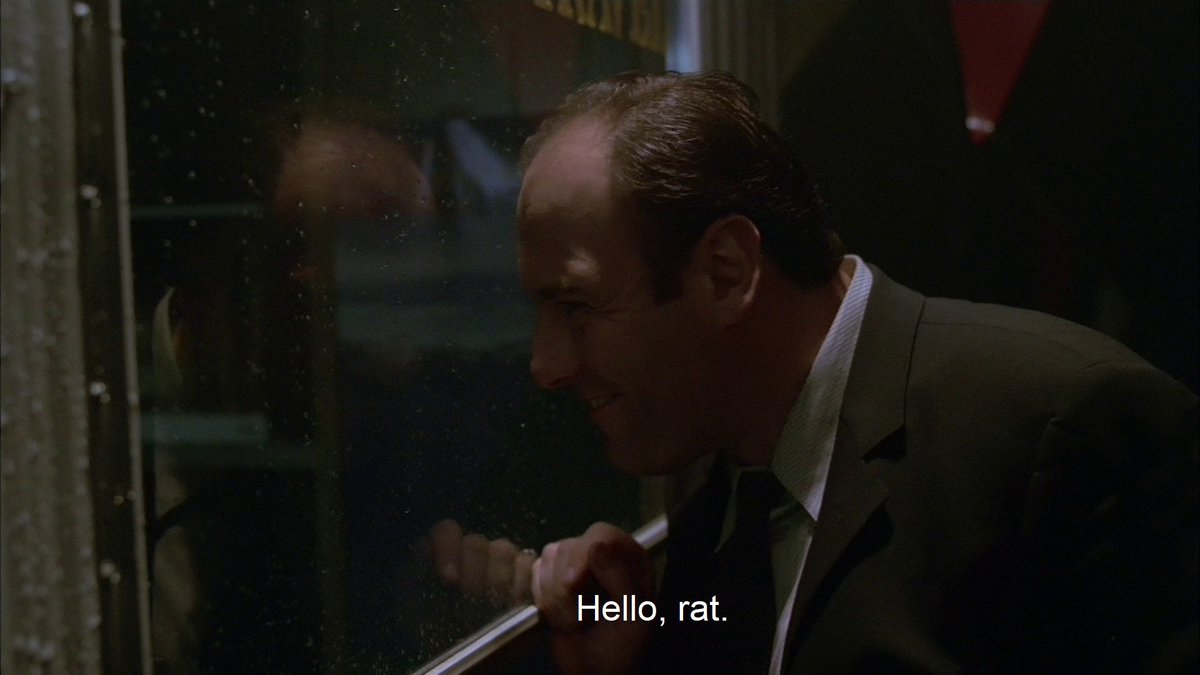
Since its debut in 1999, The Sopranos has been recognized as a landmark in television history. Created by David Chase, this crime drama profoundly influenced the landscape of series storytelling, character development, and the portrayal of complex anti-heroes. The show focuses on mob boss Tony Soprano, navigating the challenges of running a criminal empire while addressing personal and familial issues. The show’s portrayal of Italian-American culture, psychological complexities, and moral ambiguity has sparked discussions on ethics, identity, and the American dream, making it a relevant topic even decades after its conclusion.
The Impact of The Sopranos
The show ran for six seasons, concluding in 2007, with a total of 86 episodes. Its rich narrative and expertly crafted characters resonated with audiences, leading to critical acclaim and numerous awards, including 21 Primetime Emmy Awards. The Sopranos was not just a story about organized crime; it delved into themes of anxiety, depression, and existential crises, reflecting the struggles of modern life.
The character of Tony Soprano, played masterfully by James Gandolfini, became a cultural icon. Critics have highlighted his journey as a study in duality — a loving father and husband, juxtaposed against his violent and ruthless obligations as a mob leader. This duality opened discussions about masculinity, power, and the struggles that come with leadership, both within the family and in the mob world.
Relevance in Today’s Society
The Sopranos has maintained its relevance years after it wrapped up, often serving as a template for many contemporary series that followed, such as Breaking Bad and Mad Men. The show’s intricate storytelling and focus on character development have raised the bar for television narratives, influencing how stories are told in current programming. According to Nielsen, the rewatchability of the series remains high, with streaming platforms continuously showcasing it, allowing new generations to discover its depth and complexity.
Conclusion
The Sopranos is more than just a television show; it is a cultural phenomenon that continues to be discussed in academic circles, popular media, and casual conversations alike. Its exploration of the human psyche, the intricacies of family dynamics, and the moral dilemmas faced by its characters have solidified its place in the canon of great American television. As new series emerge, the influence of The Sopranos will undoubtedly persist, challenging writers and producers to push boundaries in narrative and character development.