
Introduction
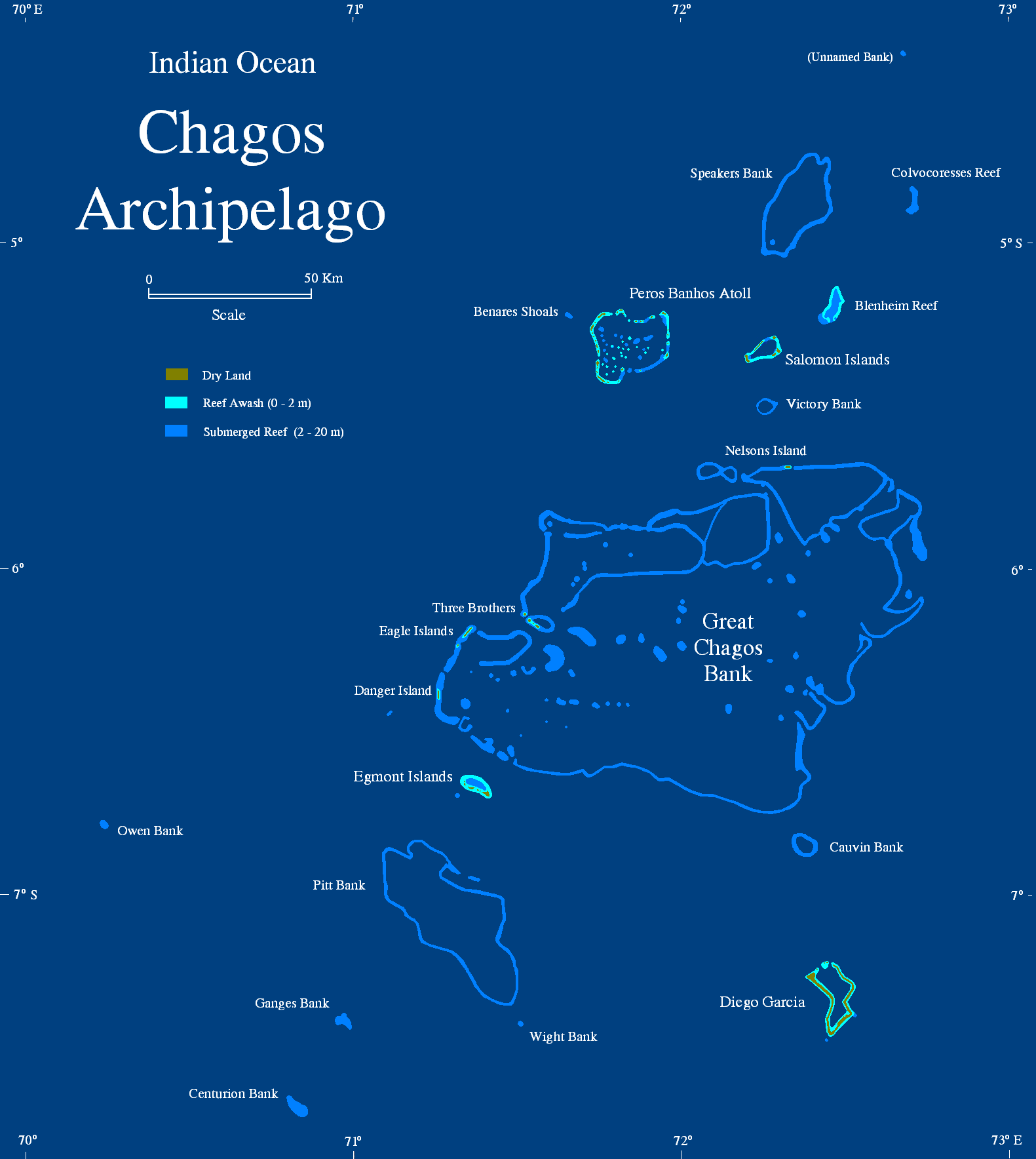
The Chagos Islands, a group of seven atolls in the Indian Ocean, are more than just an idyllic paradise; they are the center of a complex geopolitical dispute involving the United Kingdom, Mauritius, and the United States. The significance of the Chagos Islands extends beyond their scenic beauty, as they are home to critical strategic military installations and have been the subject of numerous international legal battles. Recently, tensions surrounding this territory have escalated, drawing attention to the historical injustices faced by the indigenous Chagossians.
Historical Context
The Chagos Islands were originally inhabited by the Chagossian people for generations until the UK forcibly removed them between 1967 and 1973 to make way for a military base on Diego Garcia, the largest island in the group. This base serves as a key staging point for U.S. military operations in the Asia-Pacific region. Since the removal, the Chagossians have fought tirelessly for their right to return, claiming the actions taken against them were illegal. This ongoing situation has prompted several legal actions and public campaigns advocating for the rights and restitution for these displaced individuals.
Recent Developments
In a recent development on October 27, 2021, the International Court of Justice (ICJ) reaffirmed its support for Mauritius’ claim over the Chagos Islands. The court’s advisory opinion underscored that the decolonization process of Mauritius had not been completed and called for the UK to end its administration of the islands. The ruling was celebrated by Mauritius and Chagossians alike but has yet to lead to any tangible changes in sovereignty, as the UK continues to maintain control over the territory.
The geopolitical significance of the islands is further complicated by the strategic military implications. The U.S. maintains a military facility that provides crucial logistical support for operations in the Middle East and Asia, underscoring the strategic importance of Diego Garcia. This has led to objections from several countries, including the UN, advocating for the decolonization of the islands.
Conclusion
The Chagos Islands stand at the intersection of historical injustice, international law, and military strategy. While recent judgments by the ICJ signal a shift towards acknowledging the rights of the Mauritian government and the Chagossian people, the UK continues to resist changes to its claim over the territory. For readers, the situation in the Chagos Islands serves as a stark reminder of the complexities of colonial legacies and their lasting impacts on indigenous populations. As advocacy for the rights of the Chagossians continues, the eyes of the world remain on this small but significant part of the Indian Ocean, highlighting the tension between historical rights and contemporary strategic interests.