
Introduction
In recent weeks, Russia has experienced an unprecedented bout of heavy snowfall, affecting various aspects of daily life across the nation. This phenomenon is crucial to examine not only due to its immediate impact on transport and infrastructure but also its broader implications for climate and urban planning in one of the world’s coldest countries.
Recent Events
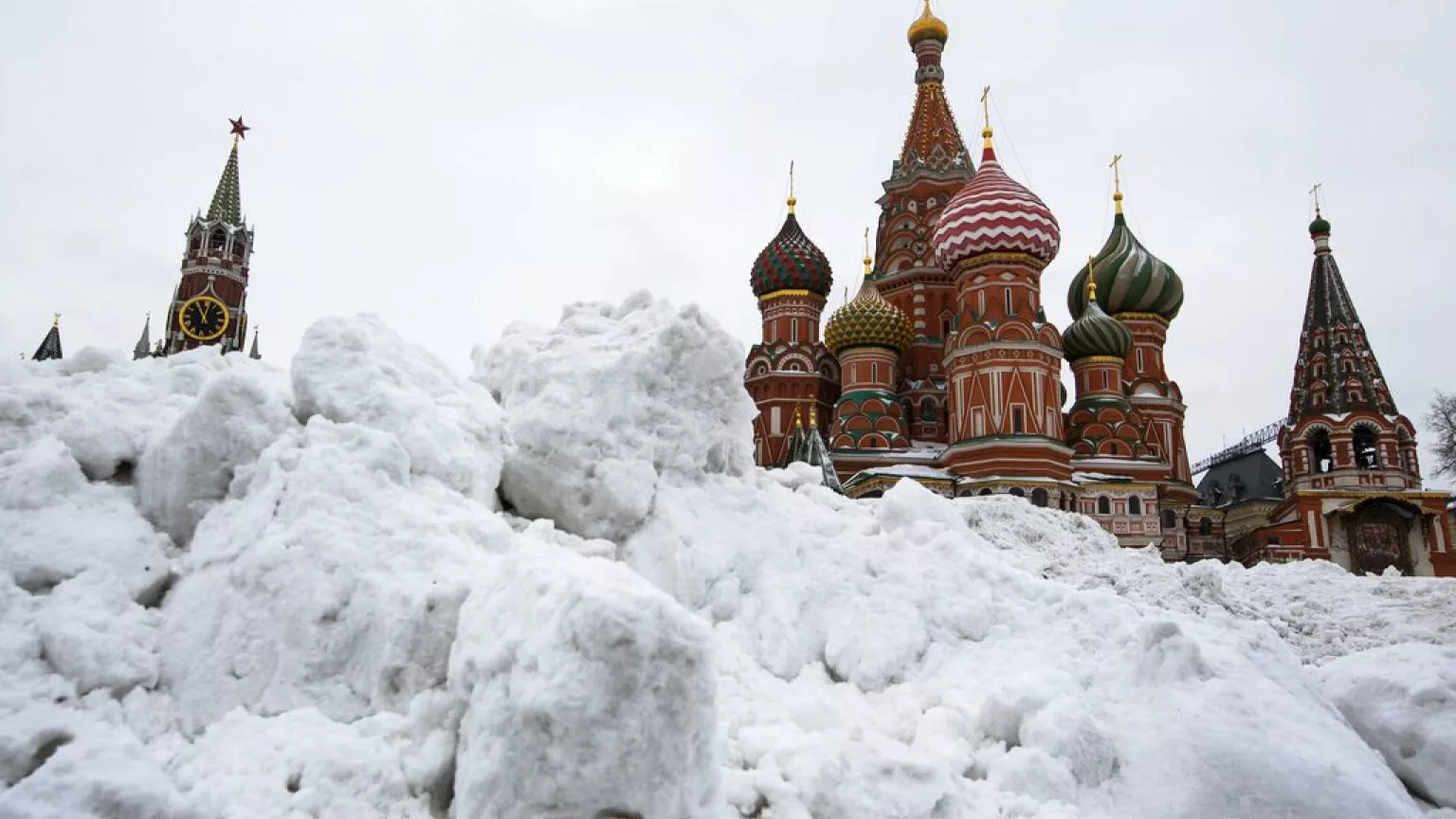
During the first week of November 2023, several regions in Russia, particularly Siberia and parts of central Russia, recorded snowfall exceeding one meter. Moscow, for example, witnessed its heaviest snow in over a decade, with reports indicating that nearly 35 centimeters of snow blanketed the capital in a single day.
Authorities in cities like Novosibirsk and Yekaterinburg declared emergencies as snow removal efforts were overwhelmed. Numerous flights were delayed or canceled, and ground transportation came to a standstill in affected areas. Schools in some regions announced temporary closures to ensure student safety amidst challenging conditions.
Impact on Daily Life and Safety Measures
With streets buried in snow, pedestrians faced significant hazards, and local governments mobilized additional resources to clear roads and provide assistance to residents in need. Emergency services reported an increase in incidents related to accidents caused by icy conditions, further emphasizing the need for preventive measures. Citizens were encouraged to stay indoors unless necessary and to prepare for potential shortages in public transportation availability.
Climate Considerations
The recent snowfall has reignited discussions about Russia’s changing climate, with scientists warning that patterns of extreme weather could become more frequent due to global warming. While Russia is accustomed to severe winters, the combination of delayed autumnal weather and extreme snowfall raises questions about future preparedness and urban infrastructure. The government is urged to develop strategies aimed at enhancing resilience against such climatic extremes.
Conclusion
The heavy snowfall experienced in Russia this November serves as a stark reminder of the country’s harsh winter realities and highlights the need for effective response strategies. As climate patterns evolve, the Russian Federation will likely face ongoing challenges related to severe weather. Both state authorities and citizens must adapt to maintain safety and cohesion in the face of nature’s unpredictability. It remains to be seen how these recent events will influence urban planning and investment in infrastructure to better accommodate extreme weather conditions in the near future.