
Introduction
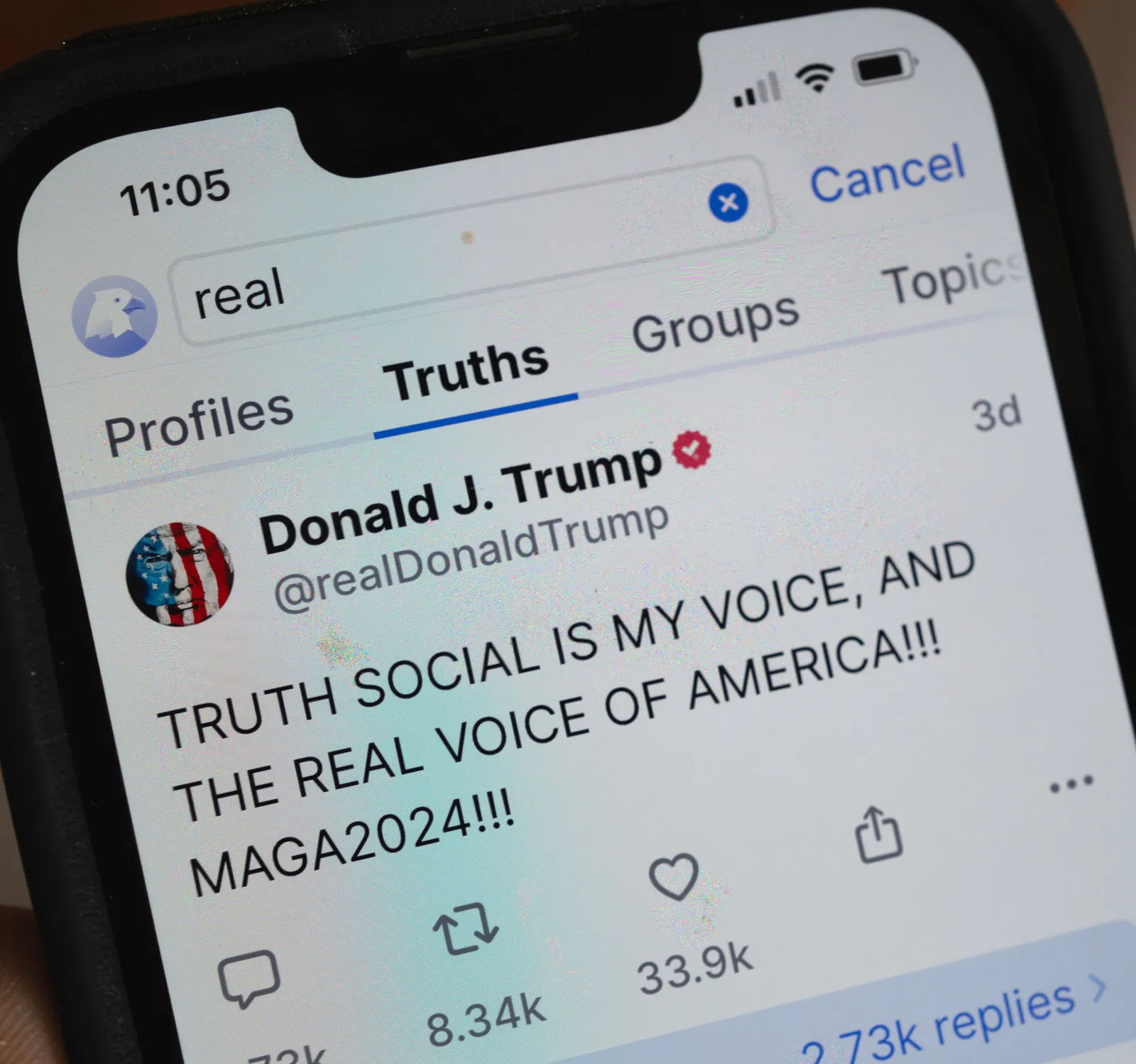
In the ever-evolving landscape of social media, former President Donald Trump’s Truth Social platform has emerged as a significant player. Launched in October 2021, Truth Social was designed as a space for free speech, especially for those who feel censored by mainstream platforms. With growing discussions surrounding its impact on public discourse, the developments and challenges faced by this platform are crucial for understanding the current digital communication trends.
Key Developments
Since its inception, Truth Social has attracted considerable attention, particularly amongst Trump’s supporters and conservative audiences. The platform has seen a surge in user registrations, which peaked around the time of significant political events, including the midterm elections in 2022. Reports indicate that Truth Social gained over 1.5 million downloads shortly after launching, marking a promising start for a platform aiming to establish itself amidst established giants like Twitter and Facebook.
However, the platform has not been without controversy. Technical issues during its initial rollout led to frequent outages, frustrating new users eager to engage. Furthermore, the launch and subsequent operations of Truth Social have been tied to a larger media company, Digital World Acquisition Corp (DWAC), which is currently facing scrutiny and investigations regarding its financial maneuvers and the merger process with Trump Media & Technology Group.
Competition and Challenges
As Truth Social attempts to carve out its niche within a competitive environment, it also faces challenges from other emerging platforms. As traditional social media platforms intensify their policy enforcement on misinformation, users dissatisfied with their experiences are gravitating towards alternatives like Parler and Gab, alongside Truth Social. These platforms aim to attract users who prioritize less moderation and greater freedom of expression.
Conclusion
Truth Social presents a significant case study in the ongoing debate about free speech and digital communication. The platform’s future hinges on its ability to address technical challenges, its relationship with regulatory bodies, and its response to competition. As the landscape of social media continues to shift, Trump’s Truth Social could play a pivotal role in reshaping the conversation around social media usage, free expression, and political engagement. Observers will be closely monitoring its trajectory as the next election cycle approaches, assessing whether it can sustain its growth and influence.