
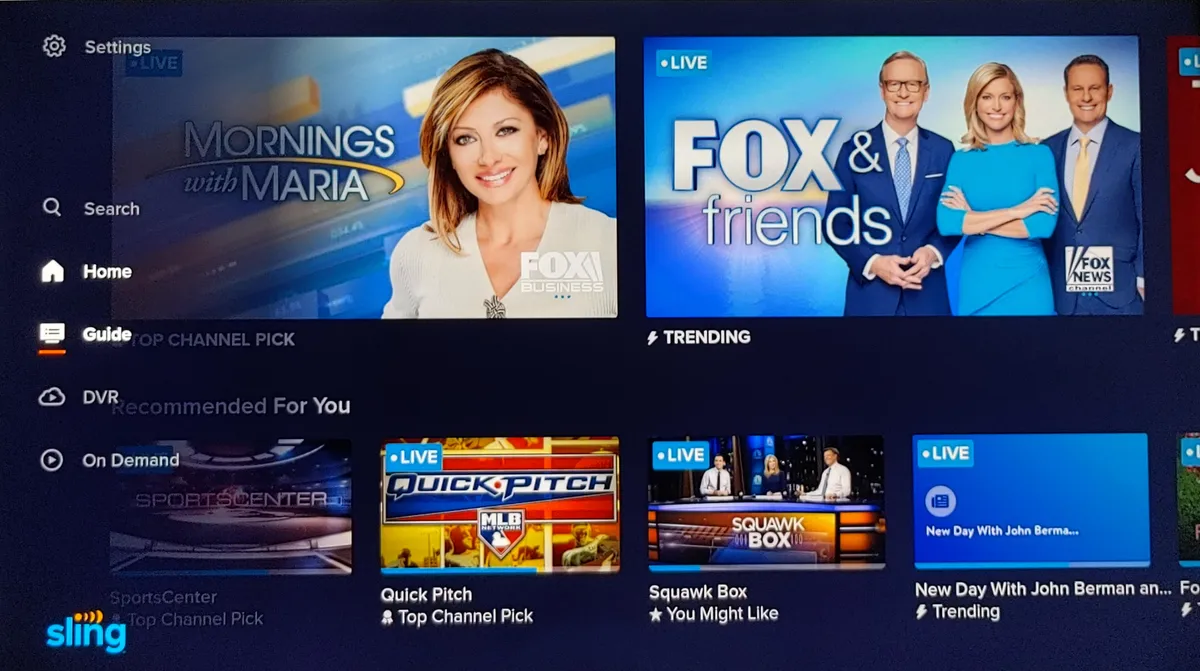
Introduction to Sling TV
Sling TV has emerged as a significant player in the streaming service market since its launch in 2015. The service offers a cost-effective alternative to traditional cable television, allowing viewers to enjoy live television programming over the internet. As cord-cutting becomes increasingly popular among consumers seeking flexibility and affordability, Sling TV’s model caters to this demand, making it a relevant topic in today’s media landscape.
Sling TV: Service Overview
Sling TV operates on a subscription basis, providing various packages that include live channels, DVR capabilities, and on-demand content. Its basic package currently starts at $40 per month, offering users access to popular networks like ESPN, CNN, and AMC. In an effort to meet diverse viewer preferences, Sling TV also offers add-ons, enabling customers to customize their viewing experience. For instance, sports enthusiasts can subscribe to the Sports Extra package, while families might opt for the Kids Extra bundle.
Recent Developments
In recent months, Sling TV has made headlines by adding new channels and bolstering its offerings in response to competition from rivals like Hulu Live TV and YouTube TV. As of October 2023, Sling TV has introduced several new channels to its platform, including regional sports networks and popular entertainment channels, to enhance its appeal to various demographics.
Moreover, Sling TV has invested in improving its user interface and accessibility. Users can now experience a more streamlined navigation system, and enhancements in live streaming quality have been prioritized, catering to the needs of viewers streaming from various devices including smartphones, tablets, and smart TVs.
The Importance of Sling TV in Today’s Market
The rise of Sling TV is indicative of broader trends in consumer behavior, especially among younger demographics who favor on-demand content over traditional broadcasting. As more viewers become disenchanted with conventional cable subscriptions due to their high costs and extensive packages, services like Sling TV provide a much-desired flexibility.
The impact of Sling TV is significant, not just in terms of viewership but also in its influence on content distribution strategies across the media sector. Major networks have taken notice, and many are re-evaluating their offerings to remain competitive in a rapidly changing landscape.
Conclusion
As the streaming service market continues to evolve, Sling TV stands out as a key player making strides in providing viewers with choice and personalization. With its constant updates and expansion of offerings, it is poised to remain a formidable alternative to traditional cable alternatives. For consumers considering cutting the cord, Sling TV represents a robust option that combines flexibility, affordability, and a growing library of content.