
Introduction
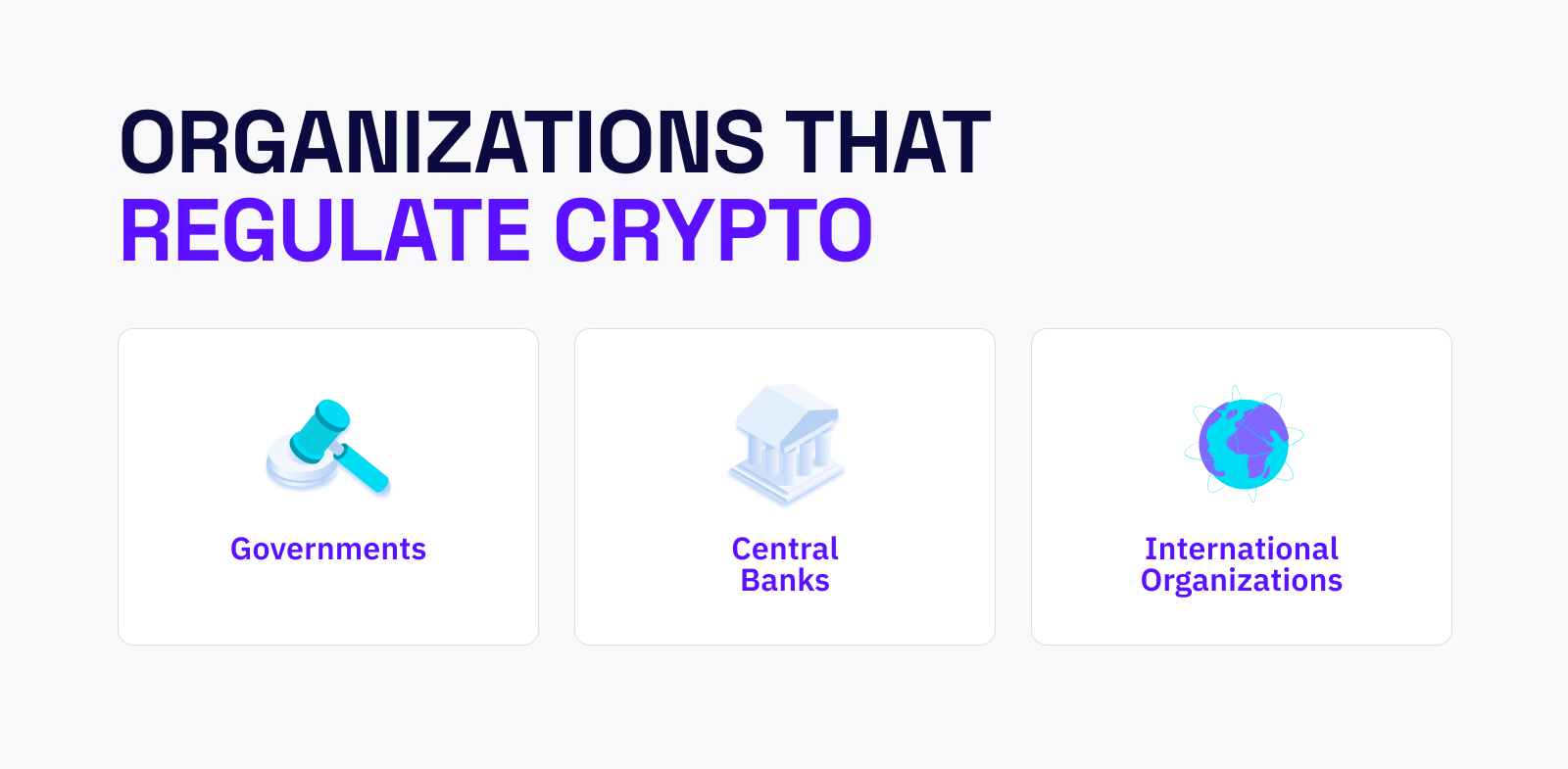
As cryptocurrencies continue to gain traction worldwide, the landscape of cryptocurrency regulations is evolving rapidly. Governments and regulatory bodies are increasingly focused on implementing frameworks that address the unique challenges posed by digital assets. These regulations not only aim to protect investors but also ensure financial stability and compliance with existing financial laws. As of October 2023, understanding these regulations has never been more critical for investors, businesses, and regulators alike.
Current Developments in Cryptocurrency Regulations
Over the past year, several countries have taken significant steps in formulating their approach to cryptocurrency regulations. For instance, the United States Securities and Exchange Commission (SEC) has been actively engaging with stakeholders to develop clearer guidelines on digital assets. This includes classifying certain cryptocurrencies as securities, which subjects them to stringent regulatory oversight, as evidenced by recent enforcement actions against unregistered initial coin offerings (ICOs).
In the European Union, the MiCA (Markets in Crypto-Assets) regulation is expected to come into force in early 2024, creating a comprehensive framework to regulate crypto assets across member states. This legislation is designed to foster innovation while providing safeguards against misuse and scams.
Moreover, countries like China and India have adopted contrasting approaches. While China has intensified its crackdown on cryptocurrency trading and transactions, India is exploring a regulatory environment that could enable the growth of blockchain-based solutions while still imposing stringent compliance measures.
The Importance of Regulatory Compliance
For investors and businesses operating in the cryptocurrency sector, compliance with regulations is essential not just for legal operation, but also for building trust with consumers. Regulatory compliance can protect against fraud and ensure that companies are held accountable for their practices. Furthermore, as the market matures, those entities adhering to regulations may find it easier to attract institutional investors, which can lead to more significant capital inflows.
Conclusion: The Future of Cryptocurrency Regulations
The ongoing dialogue surrounding cryptocurrency regulations is critical in shaping the future of the digital asset market. As global interest in cryptocurrencies rises, so too will the pressure for comprehensive and effective regulatory frameworks. While challenges remain, including inconsistent approaches across jurisdictions, the trend towards enhanced regulation seems likely to continue. Investors and businesses must stay informed and adapt to these changes to navigate the evolving regulatory landscape successfully. The significance of cryptocurrency regulations will only grow, influencing market dynamics and investor confidence in the years to come.