
Introduction
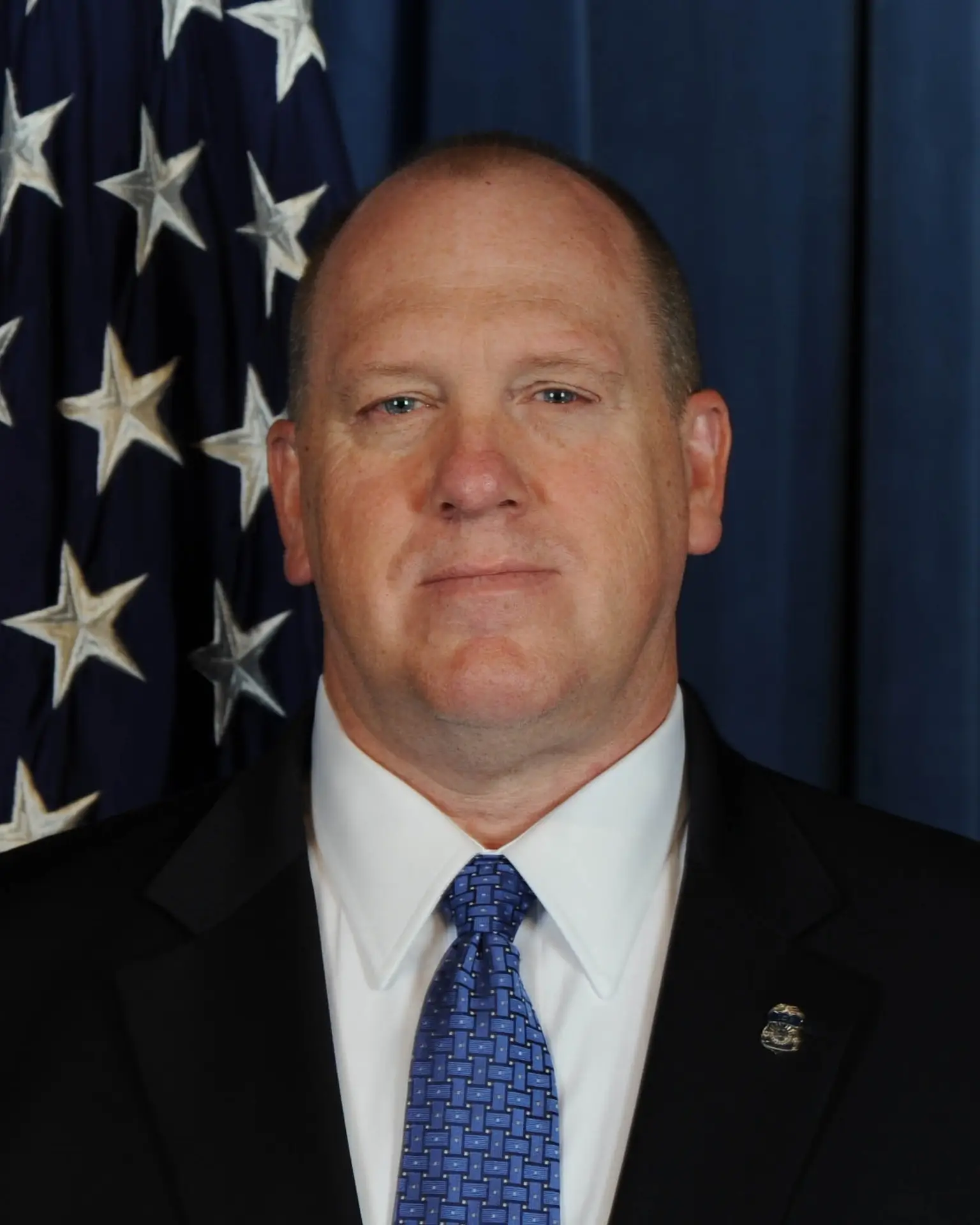
Tom Homan, the former acting director of U.S. Immigration and Customs Enforcement (ICE), has been a pivotal figure in the ongoing debate surrounding immigration policies in the United States. His experiences and insights are especially relevant in a time when immigration remains a hot-button issue, affecting millions and stirring significant public and political discourse.
Background and Career
Homan’s career with ICE began in 1984, and he steadily climbed the ranks through various roles, showing a firm commitment to law enforcement and border security. Before his appointment as acting director in 2017, he served in several capacities, including as the deputy director. His leadership during critical times has made him a recognizable name in discussions about the enforcement of immigration laws.
Recent Statements and Advocacy
In recent months, Homan has been vocal about his concerns regarding the Biden administration’s approach to immigration enforcement. He argues that the current policies could lead to increased illegal immigration, putting both citizens and the borders at risk. His perspective is shaped by his extensive experience and data he claims supports a tougher stance on illegal immigration.
Homan has made appearances on numerous news outlets, emphasizing the need for comprehensive immigration reform that balances humanitarian considerations with the rule of law. He has argued for policies that streamline the immigration process while ensuring that safety and security are prioritized.
Significance of Homan’s Position
As immigration continues to shape U.S. policy, the insights of figures like Tom Homan are crucial in understanding the complexities involved. His emphasis on law enforcement combined with calls for reform illustrates the nuanced discussion surrounding the topic. Current developments in border security and immigration laws are likely to continue drawing on perspectives like Homan’s as the nation seeks solutions to pressing immigration issues.
Conclusion
Tom Homan’s voice in the immigration dialogue demonstrates the ongoing struggle to find a balance between enforcing laws and addressing humanitarian needs. As discussions evolve, his insights could influence future immigration policies and shape the national narrative. For readers, staying informed about such key figures and their viewpoints helps deepen the understanding of the intricacies involved in immigration reform and its broader implications for society.