
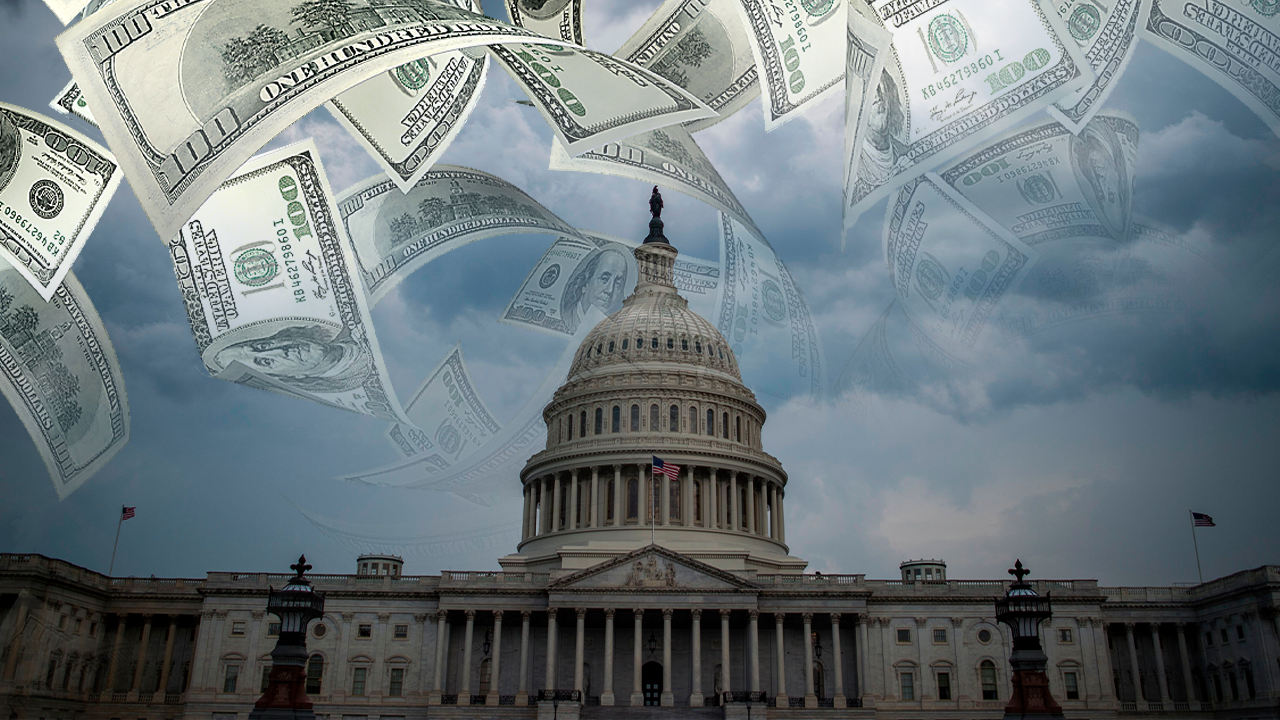
Understanding the Government Shutdown
The potential government shutdown in 2026 has emerged as a pivotal topic of discussion among policymakers, economists, and citizens alike. As the fiscal landscape continues to evolve, understanding the implications of such a shutdown is critical for assessing the stability of government operations and public services.
Contextual Background
Historically, government shutdowns occur when Congress fails to pass sufficient funding legislation for federal operations. The last major shutdown, which spanned from late 2018 to early 2019, highlighted the significant impacts a shutdown can have on federal employees, government services, and economic stability. As of now, with divided control in Congress, tensions over spending priorities are expected to escalate as 2026 approaches.
Current Events Leading Up to 2026
The political climate leading into 2026 has been characterized by contentious debates over budget allocations, social programs, and national security funding. According to recent reports from the Congressional Budget Office (CBO), federal expenditures are projected to increase significantly, raising concerns over the national debt and budget deficits. As Congress faces these financial pressures, the potential for a government shutdown grows, especially if compromises cannot be reached between differing political factions.
Impacts of a Potential Shutdown
The ramifications of a government shutdown can be far-reaching. Federal employees might face furloughs, essential services could be disrupted, and unpaid government contractors could suffer financial hardship. Moreover, the economy may experience short-term setbacks as federal spending dries up. Analysts warn that a prolonged shutdown could erode public trust in government institutions and contribute to market instability. Additionally, agencies that rely heavily on federal funding, such as NASA and the Department of Education, may encounter operational challenges, further exacerbating the fallout from a shutdown.
Looking Ahead
As we approach the critical deadlines leading to 2026, lawmakers and the public alike must remain vigilant. The implications of a government shutdown extend beyond immediate political gains and can affect the everyday lives of millions of Americans. A coordinated effort towards dialogue and compromise in Congress may help mitigate these risks.
Conclusion
In conclusion, the projected government shutdown of 2026 highlights the importance of effective governance and fiscal responsibility. Understanding the potential consequences and advocating for proactive solutions may prove essential in averting a crisis that could impact vital government functions and public trust. As stakeholders navigate these complex discussions, it is crucial for citizens to stay informed and engaged.