
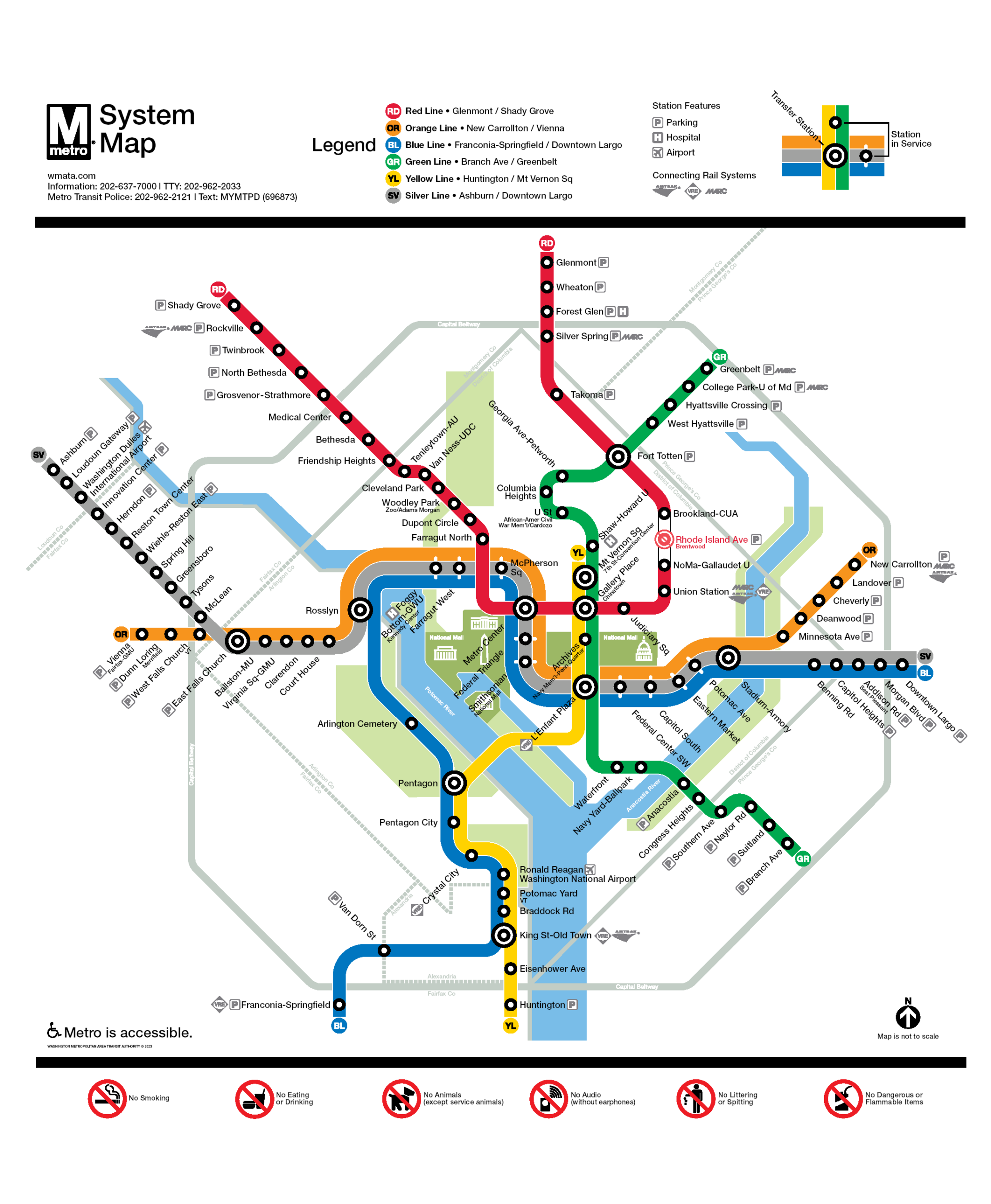
Introduction to WMATA
The Washington Metropolitan Area Transit Authority (WMATA) plays a crucial role in public transportation for the DC Metropolitan area, which includes parts of Maryland and Virginia. With an extensive network of buses and the Metrorail system, WMATA serves millions of riders each year, making it vital for daily commuters and visitors alike. Recent challenges posed by the COVID-19 pandemic, heightened demand for efficiency, and infrastructure developments have placed WMATA under increased scrutiny and led to significant changes.
Recent Developments
In September 2023, WMATA announced an ambitious plan to enhance service reliability and expand its infrastructure as part of a multi-billion dollar initiative known as “Metro Forward 2025.” This plan includes improvements to existing rail lines, increased bus service, and innovations in technology to create a more user-friendly experience. By 2025, WMATA aims to modernize key components of the system, including ticketing services through a new app that integrates real-time data on service availability and congestion.
Moreover, WMATA has also invested in upgrading its fleet of buses, with nearly $200 million earmarked for the acquisition of electric buses over the next five years. This move aligns with environmental sustainability goals and aims to reduce carbon emissions significantly. Pilot programs have already shown promising results, with electric buses exceeding performance expectations on the Quality of Service Index.
Challenges and Community Engagement
Despite these advancements, WMATA faces ongoing challenges, particularly relating to funding and safety. Critics argue that federal and state funding has not kept pace with the system’s operational costs. To address these issues, WMATA has initiated community engagement efforts to better understand the needs of its riders. Public forums and surveys are being utilized to gather input about service frequency, affordability, and safety measures, which are critical for the agency’s long-term strategy.
Conclusion
The initiatives undertaken by WMATA signify a positive shift toward improving commuter experiences in the Washington DC area. As they strive to implement changes targeted at enhancing service and sustainability, the agency’s actions will likely have significant implications for future transit strategies. If successful, these developments will not only alleviate commuting challenges but also bolster public confidence in the transit system. Continued community involvement and transparent communication will be essential as WMATA navigates these improvements, ensuring that it meets the evolving needs of its diverse ridership.