
Introduction
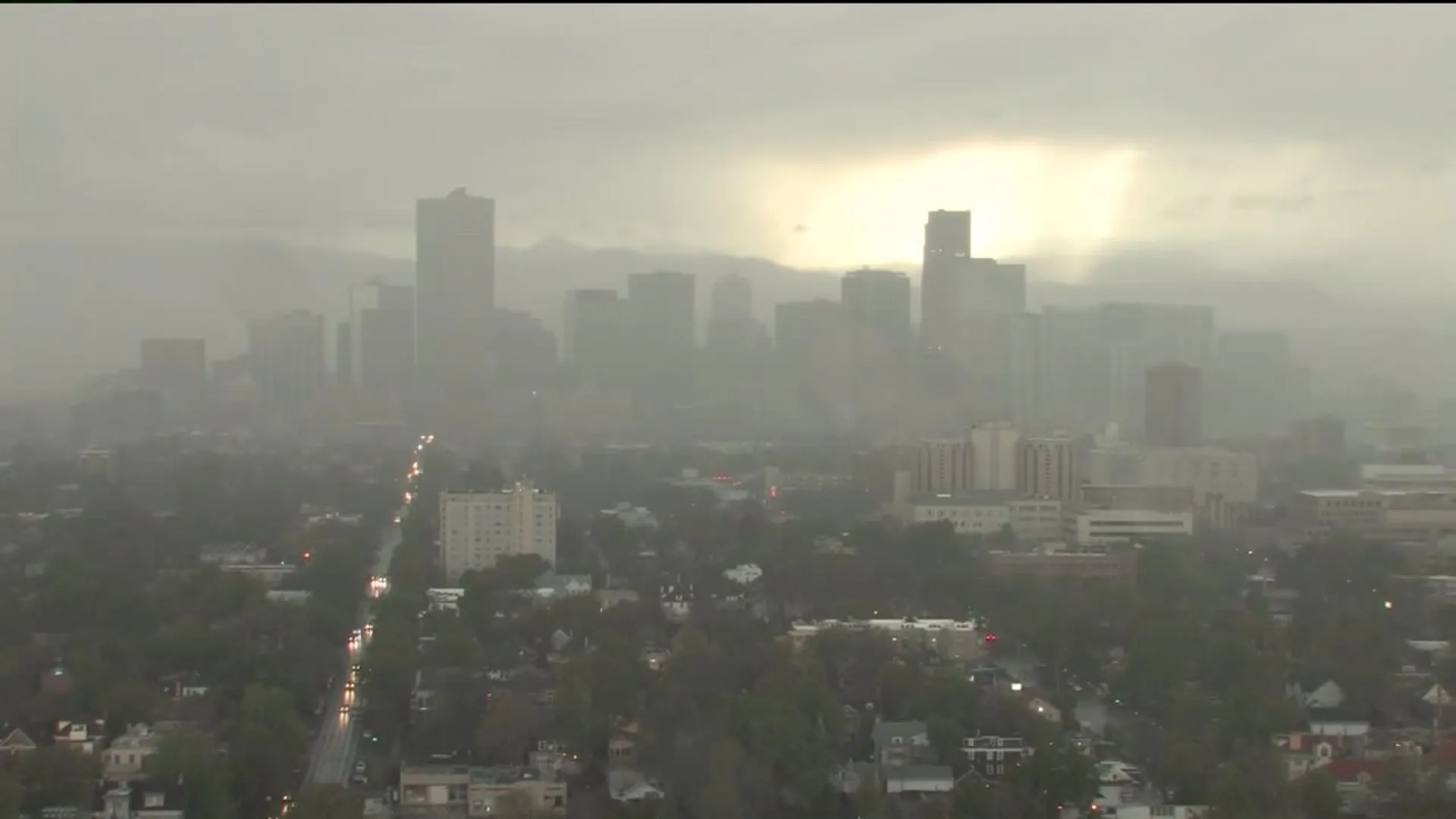
Denver, known as the Mile High City, is located at an elevation of 5,280 feet in Colorado. The city experiences a unique climate due to its location near the Rocky Mountains, leading to notable temperature variations. Understanding the current temperature in Denver is essential for residents and visitors alike, impacting daily activities, travel plans, and outdoor recreation.
Current Temperature Trends
As of mid-October 2023, the temperature in Denver has shown typical seasonal shifts. Average daily temperatures have ranged between 50°F (10°C) and 70°F (21°C). Recent reports indicate a high of 72°F (22°C) on October 12, followed by a drop to around 60°F (15°C) the following days, indicating a transition into fall. These fluctuations are normal as the city moves from warmer summer months into the cooler autumn season.
Denver’s weather is characterized by sudden changes, often referred to as ‘four seasons in a day.’ This phenomenon is attributed to its high altitude and geographical location. Residents often prepare for both warm daytime temperatures and cooler evenings, especially in fall when the average low can drop to the mid-30s°F (1-2°C).
Impact of Temperature on Daily Life
The variations in temperature significantly influence Denver’s outdoor activities. The city’s residents enjoy a range of activities, from hiking in warmer months to skiing during the winter. As temperatures cooler, outdoor enthusiasts are encouraged to dress in layers to adapt to changing conditions throughout the day.
In addition, the temperature also affects local businesses, particularly those in tourism and recreation. The Rocky Mountain region attracts visitors year-round, and understanding the seasonal weather patterns helps businesses in planning events, promotions, and outdoor activities.
Conclusion and Future Insights
In conclusion, the temperature in Denver is an essential aspect of life in the city, reflecting broader climate trends and seasonal changes. As the weather continues to transition into the colder months, residents should stay informed about daily forecasts to make the most of their time outdoors. Looking ahead, the El Niño pattern, which is expected to develop in the coming months, may influence Denver’s weather further, potentially leading to wetter and warmer conditions through the winter. Keeping an eye on these trends will be beneficial for both locals and visitors in navigating the Mile High City’s diverse climate.