
Introduction to Severe Thunderstorm Warnings
Severe thunderstorm warnings are critical alerts issued by the National Weather Service (NWS) to inform citizens of imminent, potentially destructive weather conditions. These warnings are necessary due to the high risk associated with severe thunderstorms, which can include dangerous wind gusts, large hail, and heavy rainfall that can lead to flash flooding. Given the increased frequency and intensity of severe weather patterns linked to climate change, understanding these warnings is vital for public safety and preparedness.
Current Events and Alerts
As of late October 2023, regions across the Central and Southeastern United States have experienced a series of intense storms triggering numerous severe thunderstorm warnings. For instance, on October 25, severe thunderstorms swept through parts of Texas, where reports indicated wind gusts exceeding 70 mph and hail the size of golf balls. The NWS issued warnings that remain active through various counties, urging residents to seek shelter and stay indoors during the storm’s peak hours.
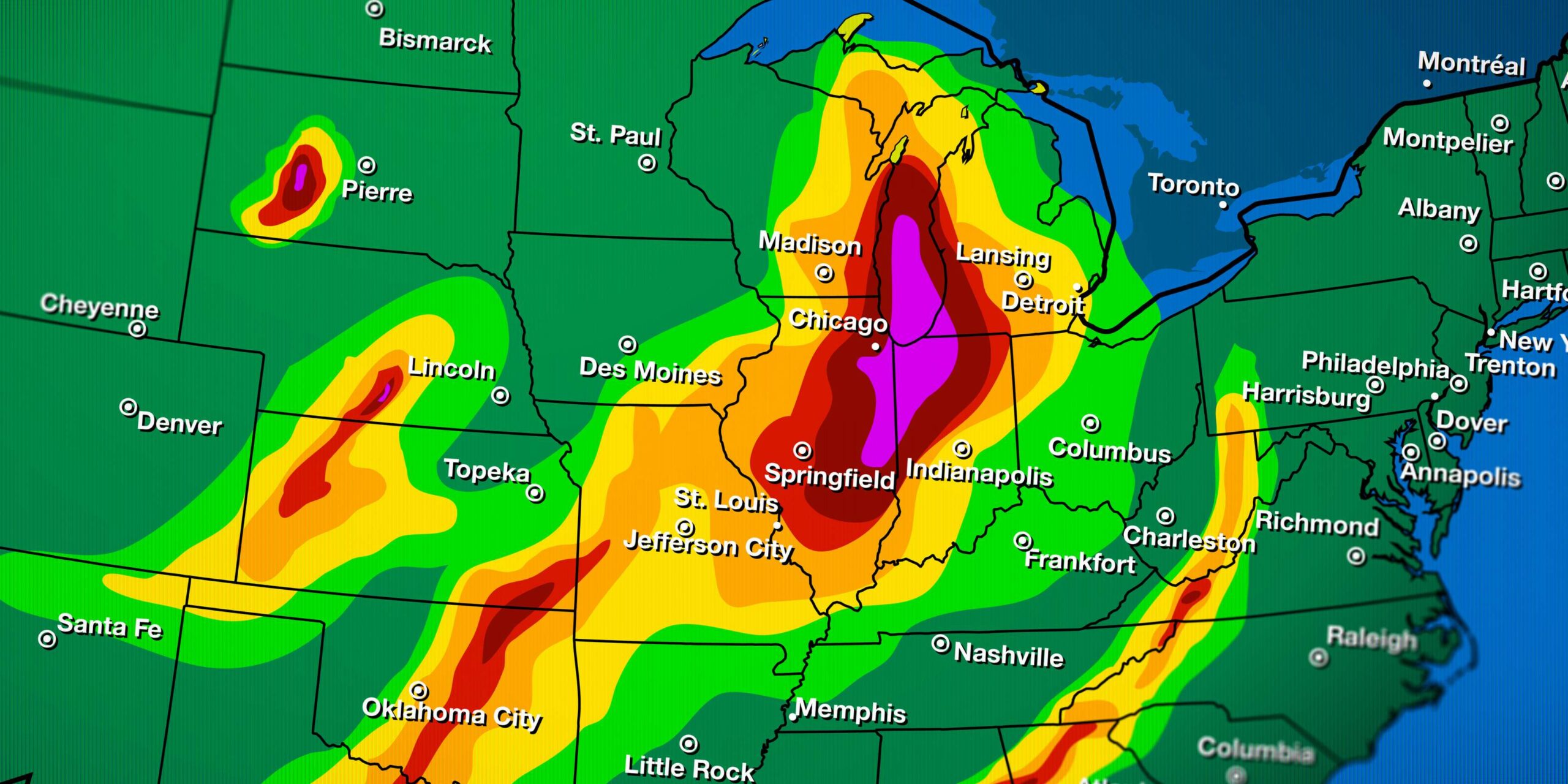
In another alarming event, a severe thunderstorm warning was in effect for the Midwest, where meteorologists predict strong thunderstorms capable of producing tornadoes. Local emergency management officials have mobilized resources, ensuring communities are prepared for rapid recovery post-storm. Schools have also been cautious, with some choosing to delay or suspend after-school activities to prioritize student safety.
Importance of Preparedness
Understanding the criteria for severe thunderstorm warnings can significantly impact safety. According to the NWS, a severe thunderstorm is defined as one that produces winds of 58 mph or greater, hail of one inch in diameter or larger, or a tornado. Communities are advised to create emergency plans, which include having a stash of supplies, establishing communication plans, and seeking shelter during storms.
Conclusion and Future Considerations
Severe thunderstorm warnings play an essential role in alerting communities to dangerous weather conditions. Staying informed and prepared can reduce the risk of injury and fatalities resulting from severe weather. As climate patterns evolve, an increase in the frequency and intensity of these thunderstorms may be anticipated, necessitating heightened awareness and preparedness strategies. Residents are urged to keep track of local weather updates and to heed all warnings issued by meteorological authorities. It is better to be prepared and not need it than to be caught off guard in severe weather situations.