
Introduction
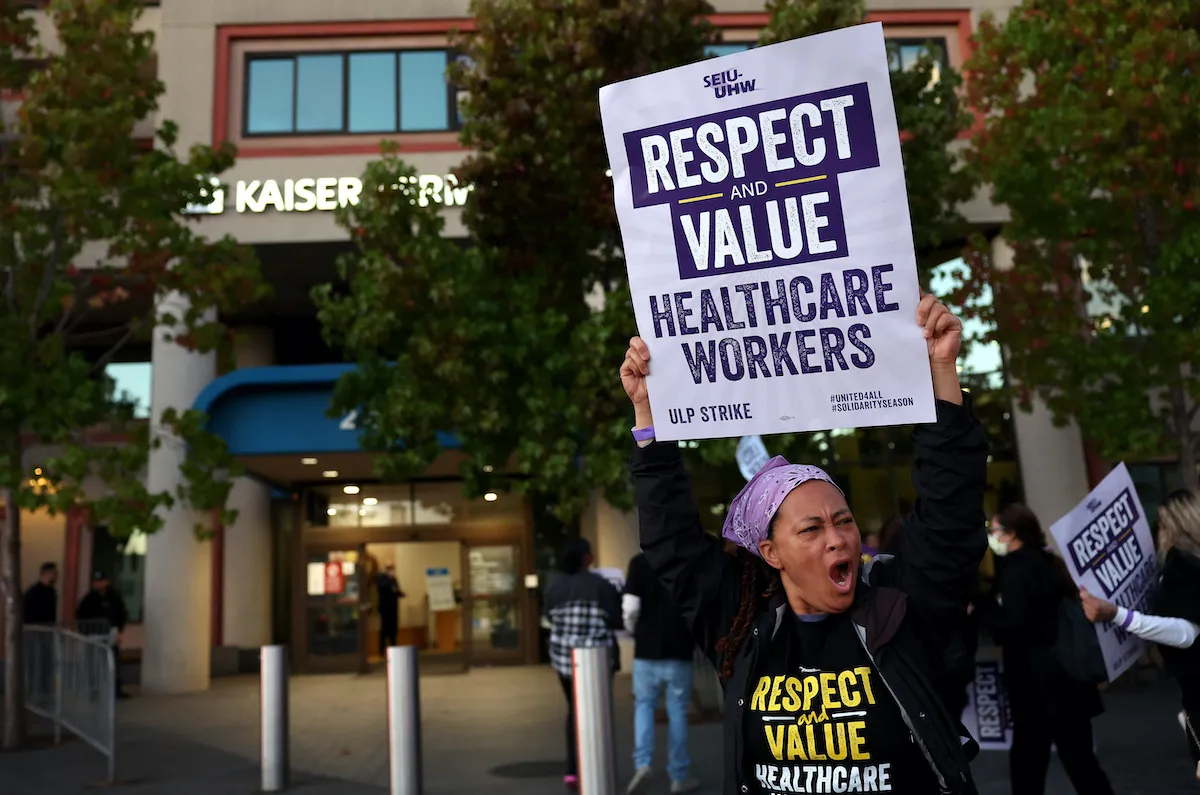
The recent Kaiser strike has become a pivotal moment for healthcare workers in the United States, raising important questions about labor rights, patient care, and the future of the healthcare industry. As thousands of healthcare professionals walk off the job, it highlights the growing concerns over staffing levels, wages, and working conditions amid a changing healthcare landscape.
Background of the Strike
The Kaiser Permanente strike began on October 4, 2023, involving over 75,000 healthcare workers across various regions, including California and Oregon. The labor unrest was sparked by ongoing contract negotiations that stalled over demands for better wages, improved staffing ratios, and more comprehensive benefits for workers. Kaiser workers have been vocal about the challenges they face every day, citing burnout, overwhelming patient loads, and the need for equitable compensation.
Key Issues at Stake
According to the Service Employees International Union (SEIU), workers are demanding significant pay increases, with many arguing that the current wages do not reflect the rising cost of living and the vital nature of their work, especially highlighted during the COVID-19 pandemic. Additionally, employees are advocating for staffing policies that would ensure safe patient-to-nurse ratios, which they believe are essential to providing quality care.
In response to the strike, Kaiser Permanente has expressed commitment to bargaining in good faith but insists that the demands presented are unsustainable. With an ongoing workforce shortage in many healthcare sectors, Kaiser’s ability to retain and recruit staff hinges on resolving these issues effectively.
Impact on Patients and Communities
As the strike continues, the immediate consequences are being felt across various hospitals and health facilities, with many elective procedures being postponed and outpatient services disrupted. Patients are reporting longer wait times for care, raising concerns about the potential complications for those requiring timely medical attention.
Conclusion
The Kaiser strike underscores critical challenges within the healthcare system, emphasizing the need for systemic changes to support both the workers and the patients they care for. As negotiations continue, the resolution of this strike has the potential to set precedents for labor relations in healthcare nationwide. Advocates are watching closely, knowing that the outcome will significantly impact working conditions and patient care standards in the future.