
Introduction
Flight cancellations at Dallas/Fort Worth International Airport (DFW) have surged over the past few weeks, causing significant disruptions for travelers. As one of the busiest airports in the United States, DFW serves as a major hub for both domestic and international flights. Understanding the reasons behind these cancellations is essential for travelers and airline operators alike, as the airport is pivotal not just for regional connectivity but also for global travel logistics.
Recent Events
According to reports, over 1,200 flights were canceled in a single week at DFW, accounting for nearly 8% of all scheduled flights. Factors contributing to this spike include severe weather conditions, staffing shortages, and ongoing supply chain issues impacting airline operations. The recent storms that swept through Texas have been particularly disruptive, with heavy rain and wind leading to delays and eventual cancellations. Additionally, some airlines have cited staffing shortages as a crucial issue affecting their operational capabilities.
Airlines are grappling with the dual challenges posed by a sudden increase in travel demand post-pandemic and lingering shortages of personnel trained to manage the influx. Many carriers have been forced to reduce their flight schedules in response, leading to canceled flights and frustrated passengers. A spokesperson for American Airlines, which is based at DFW, stated that while they are working diligently to return to full operations, fluctuating weather and staffing constraints make it challenging.
Travelers’ Experience
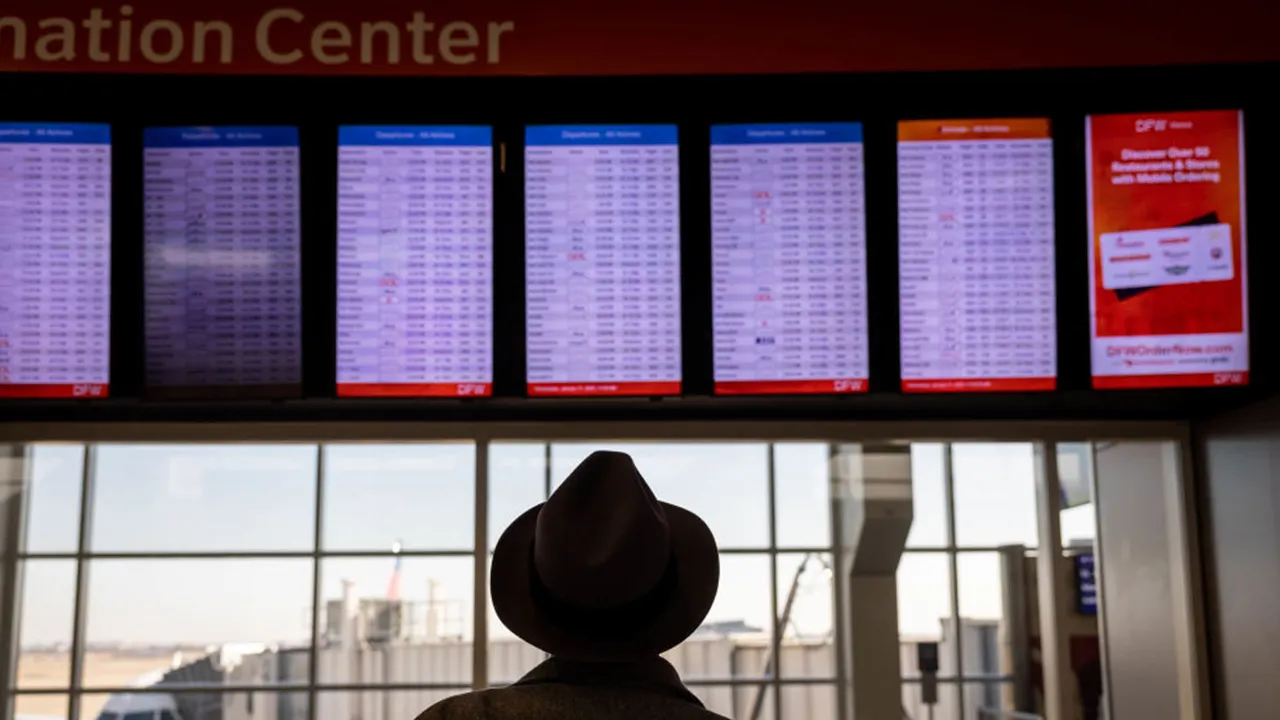
Travelers have reported experiencing long waits at the airport and difficulties in rebooking canceled flights. Hybrid travel conditions, where emergency protocols are in place, often confuse passengers who are not aware of their rights as air travelers. Airline customers are encouraged to check their flight status regularly and to familiarize themselves with their respective airline’s cancellation and rebooking policies.
Conclusion
The rise in DFW flight cancellations presents a significant challenge for travelers and airlines. While the airport is working in conjunction with airlines to mitigate these disruptions, the reliance on robust staffing and favorable weather conditions will determine the ease of travel in the upcoming months. As airlines adjust their operations, passengers are advised to prepare for potential changes and to remain updated on their flight statuses to minimize the impact of these cancellations. DFW remains a critical transportation hub, but without immediate interventions, travelers may continue to face uncertainties and delays.