
Introduction
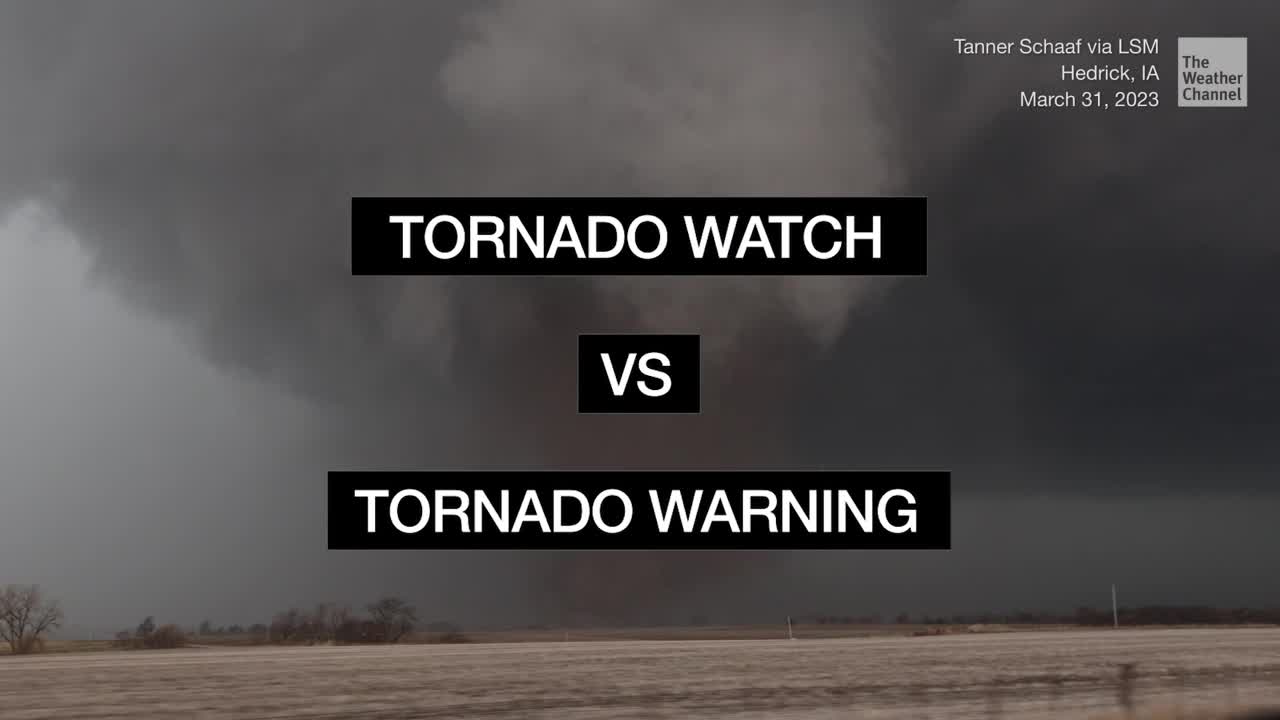
As severe weather events continue to increase in frequency and intensity, understanding the differences between a tornado watch and a tornado warning is crucial for safety. These terms are vital alerts used by meteorologists to communicate the level of risk for tornadoes and can significantly influence how individuals respond to severe weather.
Tornado Watch
A tornado watch is issued when weather conditions are favorable for the development of tornadoes in a specific area. Typically, this means that thunderstorms producing strong winds, hail, or other severe weather are imminent. When a tornado watch is in effect, residents are encouraged to stay informed and be prepared to take shelter if conditions worsen. According to the National Oceanic and Atmospheric Administration (NOAA), a tornado watch can cover large geographic areas, and it may remain in effect for several hours.
Tornado Warning
In contrast, a tornado warning is issued when a tornado has been sighted or indicated by radar, meaning a tornado is occurring and poses a serious danger to life and property. Warnings often cover much smaller areas, typically affecting a specific county or city. During a tornado warning, it is crucial for residents to take immediate shelter, as there is an imminent threat to safety. The National Weather Service (NWS) expects that when a warning is issued, individuals have a plan and act quickly to protect themselves.
Key Differences and Implications
The main difference between a watch and a warning lies in the immediacy of the threat. A watch entails that conditions could lead to a tornado, whereas a warning confirms that a tornado is currently happening or is about to happen. Understanding these distinctions can save lives. In 2022, according to the SPC Storm Report, the United States experienced over 1,000 tornadoes, highlighting the importance of timely alerts and public readiness.
Conclusion
Knowing the difference between a tornado watch and a warning is essential in today’s volatile weather landscape. As climate change continues to influence weather patterns, training communities to respond appropriately can mitigate risks. Residents should remain vigilant during severe weather seasons, actively monitor alerts, and develop emergency plans. Being prepared can make a life-saving difference when severe weather strikes.