
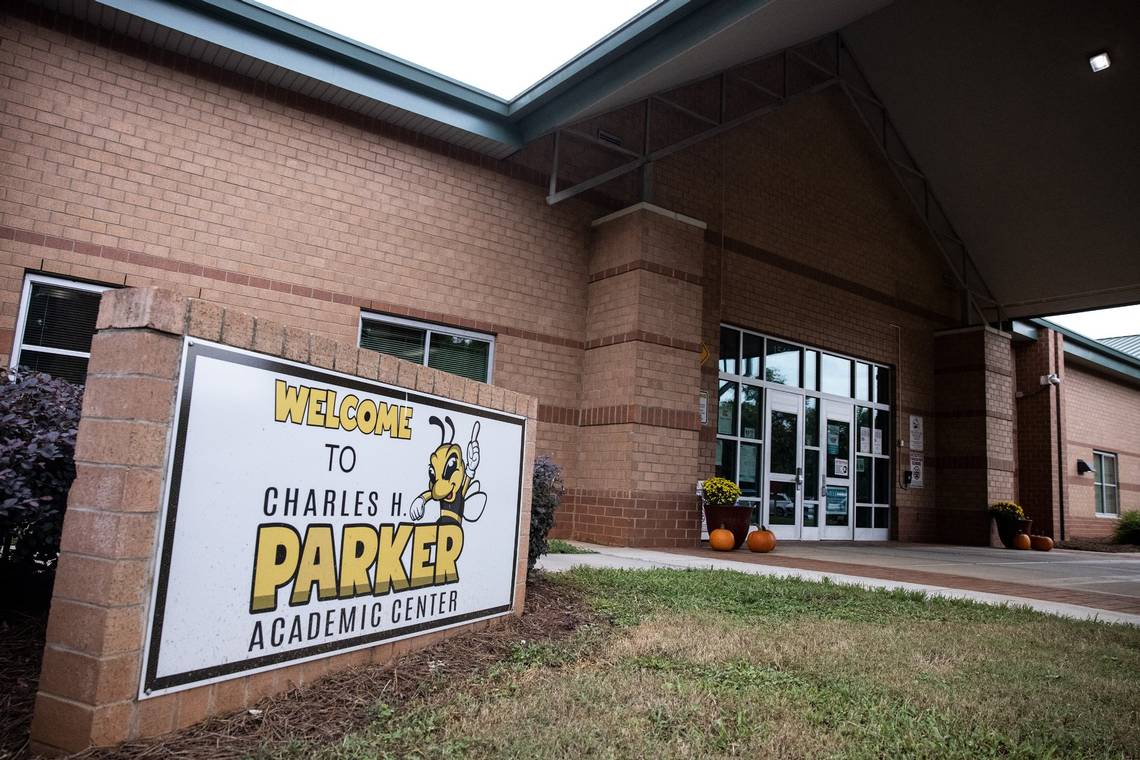
Introduction
CMS Schools, a rapidly growing network of educational institutions, have gained significant attention for their commitment to enhancing educational outcomes and student engagement. Amidst ongoing changes in educational practices due to technology and evolving student needs, CMS Schools are at the forefront of adopting innovative strategies that make learning more effective and enjoyable for students. This article delves into some of these recent initiatives and their importance in shaping the future of education.
Recent Initiatives at CMS Schools
Over the past year, CMS Schools have implemented various programs designed to improve both teaching methodologies and learning environments. A noteworthy initiative is the integration of STEAM (Science, Technology, Engineering, Arts, and Mathematics) into the curriculum. This approach aims to foster creativity and critical thinking among students. Teachers are being trained to introduce project-based learning, which allows students to collaborate on real-world problems, thereby enhancing their problem-solving skills.
Additionally, CMS Schools have invested in technology upgrades, including the introduction of smart classrooms equipped with interactive whiteboards and digital resources. These tools facilitate a more engaging learning experience, enabling students to interact with content actively rather than passively absorbing information.
Focus on Mental Health and Wellness
Recognizing the importance of mental health, CMS Schools have also made strides in incorporating social-emotional learning (SEL) into their programs. They have established dedicated wellness programs that provide support and resources for both students and teachers, ensuring that the school environment is conducive to mental well-being. Activities like mindfulness sessions and peer counseling are now part of the curriculum, creating a supportive community that focuses on emotional intelligence and resilience.
Community Engagement and Parental Involvement
Another cornerstone of CMS Schools’ philosophy is fostering partnerships between schools and the community. The schools have launched initiatives to boost parental involvement, such as workshops that educate parents on how to support their children’s education at home. Regular community meetings allow stakeholders to voice their opinions and contribute to school improvements, making the educational experience a collective effort.
Conclusion
The initiatives being implemented at CMS Schools highlight a robust and adaptable approach to education that prioritizes student engagement, emotional well-being, and community involvement. As these schools continue to evolve, they set a precedent for others in the education sector, demonstrating that innovation and a supportive environment are keys to success. Looking ahead, the emphasis on integrating technology and holistic practices in education will likely become standard, influencing how future generations learn and grow. CMS Schools are not just preparing students for academic success; they are equipping them with the skills necessary for lifelong learning and personal development.