
Introduction
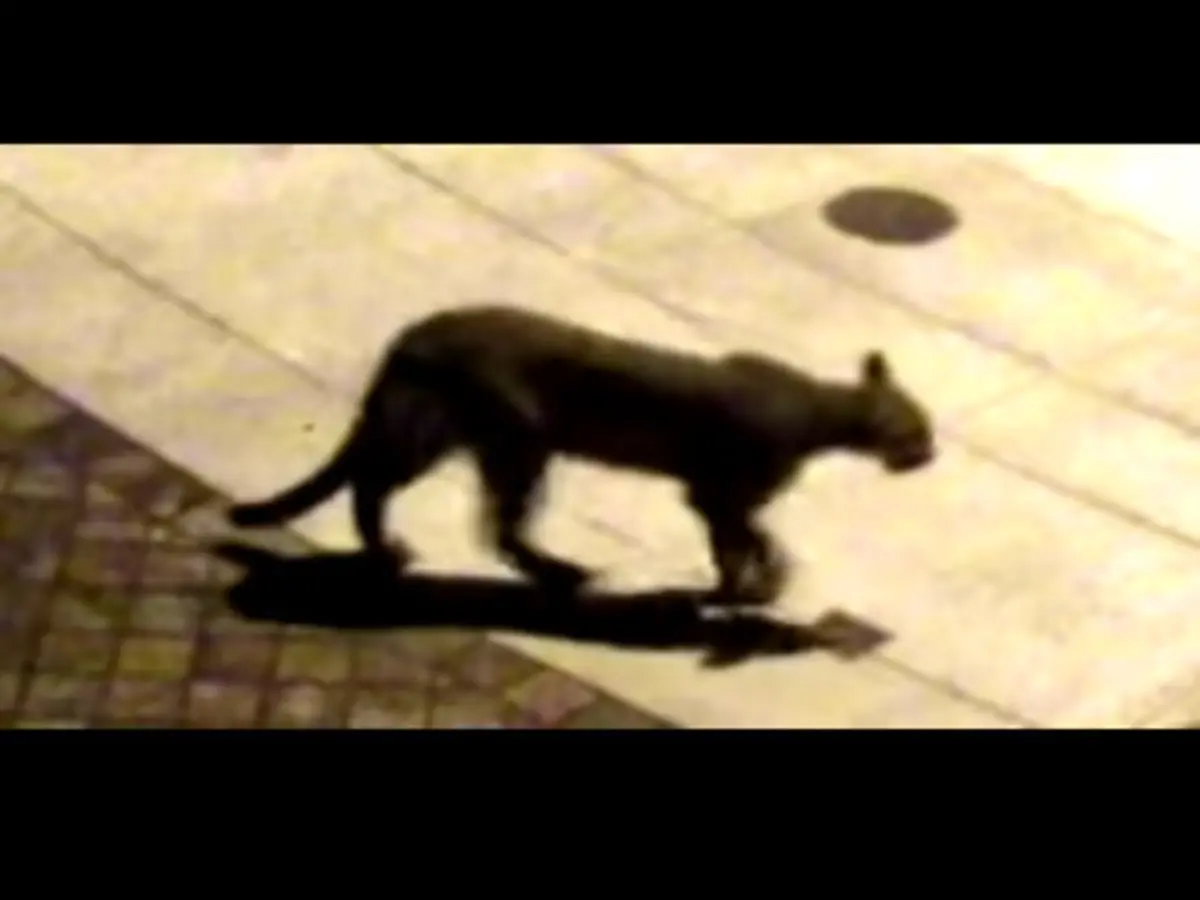
In a surprising turn of events, a mountain lion was spotted roaming the streets of San Francisco last week, capturing the attention and concern of residents and wildlife officials alike. This incident highlights the ongoing challenges of urban wildlife management and raises crucial questions regarding habitat preservation and public safety in an increasingly urbanized environment.
Recent Sightings and Details
The mountain lion was first reported near the Presidio, a public park that serves as a crucial habitat for various species. Local law enforcement and animal control were promptly dispatched to the area. Thanks to a vigilant bystander who captured footage of the lion, officials were able to confirm the sighting. The cat was later tracked to the nearby Golden Gate National Park, where it was believed to have ventured deeper into the woods.
California Department of Fish and Wildlife (CDFW) has since reiterated the importance of coexistence with wildlife. They noted that mountain lions typically avoid urban areas and tend to be nocturnal. However, with shrinking wildlife habitats due to urban expansion, such encounters are becoming more frequent, particularly in the Bay Area.
Responses from Authorities and Community
Following the sighting, CDFW urged residents to remain vigilant but calm. They emphasized that mountain lions are generally not a threat unless provoked. Local wildlife experts are closely monitoring the situation and have established protocols for handling mountain lion encounters. Additionally, community workshops are being planned to educate residents on safety measures in case of wildlife encounters.
Conclusion
The sighting of a mountain lion within San Francisco is not just a wildlife anomaly; it serves as a reminder of the challenges posed by urbanization on natural habitats. As cities continue to expand, the interaction between humans and wildlife is likely to increase. Authorities urge the public to respect wildlife and remain informed about safety and coexistence strategies. Looking ahead, the city may need to evaluate its wildlife management practices to ensure the safety of both its residents and the animals that share the landscape.