
Importance of the Gulf Coast
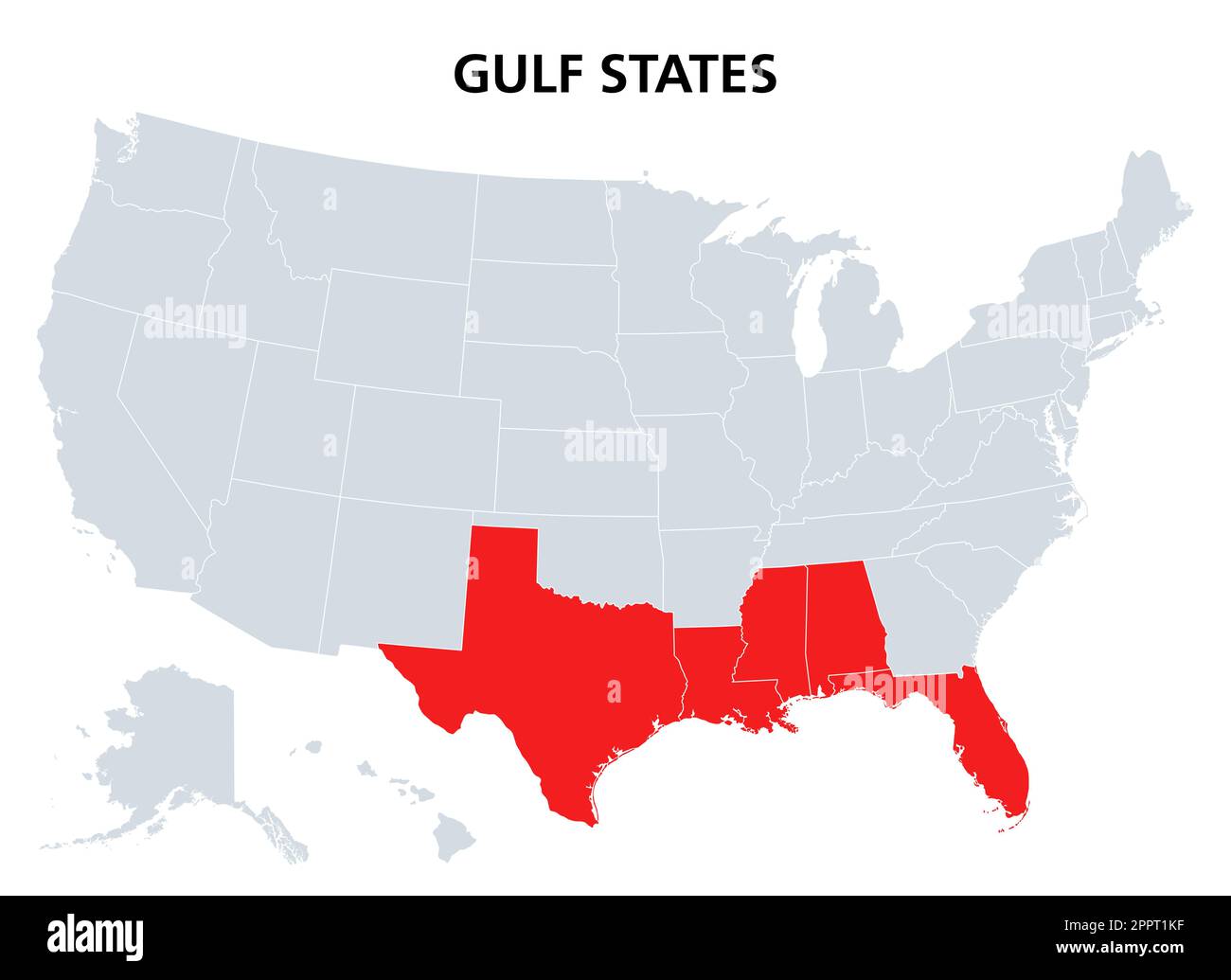
The Gulf Coast of the United States is a region of vast significance, encompassing parts of five states: Texas, Louisiana, Mississippi, Alabama, and Florida. Known for its stunning coastal landscapes and dynamic ecosystems, the Gulf Coast serves as a vital economic hub, a cultural melting pot, and a crucial ecological area in North America.
Economic Impact
The Gulf Coast’s economy is heavily influenced by its natural resources. The region is home to significant oil and gas production, ranking as one of the top areas for energy in the country. Ports like the Port of Houston and Port of New Orleans play a critical role in international trade, handling millions of tons of cargo annually. According to the Bureau of Economic Analysis, the Gulf Coast states contribute substantially to the national GDP, particularly in sectors such as fishing, shipping, and tourism.
Cultural Significance
Culturally, the Gulf Coast is rich and diverse, reflecting a blend of indigenous, African American, and immigrant influences. Cities like New Orleans are famous for their vibrant music scene, particularly jazz and blues, and their unique cuisine that merges Creole and Cajun flavors. The region hosts numerous festivals that celebrate its cultural heritage, such as Mardi Gras and the Southern Decadence festival. The undeniable influence of the Hispanic community, especially in areas along the Texas-Mexico border, adds even more depth to the region’s cultural tapestry.
Environmental Concerns
However, the Gulf Coast also faces significant environmental challenges. Hurricanes and tropical storms, exacerbated by climate change, frequently threaten coastal communities. In recent years, the effects of oil spills and industrial pollution have raised concerns about the health of marine ecosystems. Preservation efforts and environmental advocacy are vital as local and federal governments work to combat these issues.
Conclusion
In conclusion, the Gulf Coast of the United States is much more than a picturesque vacation destination; it is a region that serves as a critical economic driver and a hub of cultural identity. As environmental challenges continue to evolve, the future of the Gulf Coast will depend on a collective effort to balance development with sustainable practices. Understanding its significance is essential for residents, businesses, and policymakers alike, as the Gulf Coast remains a cornerstone of American life.