
Clark Incident and Suspension Report
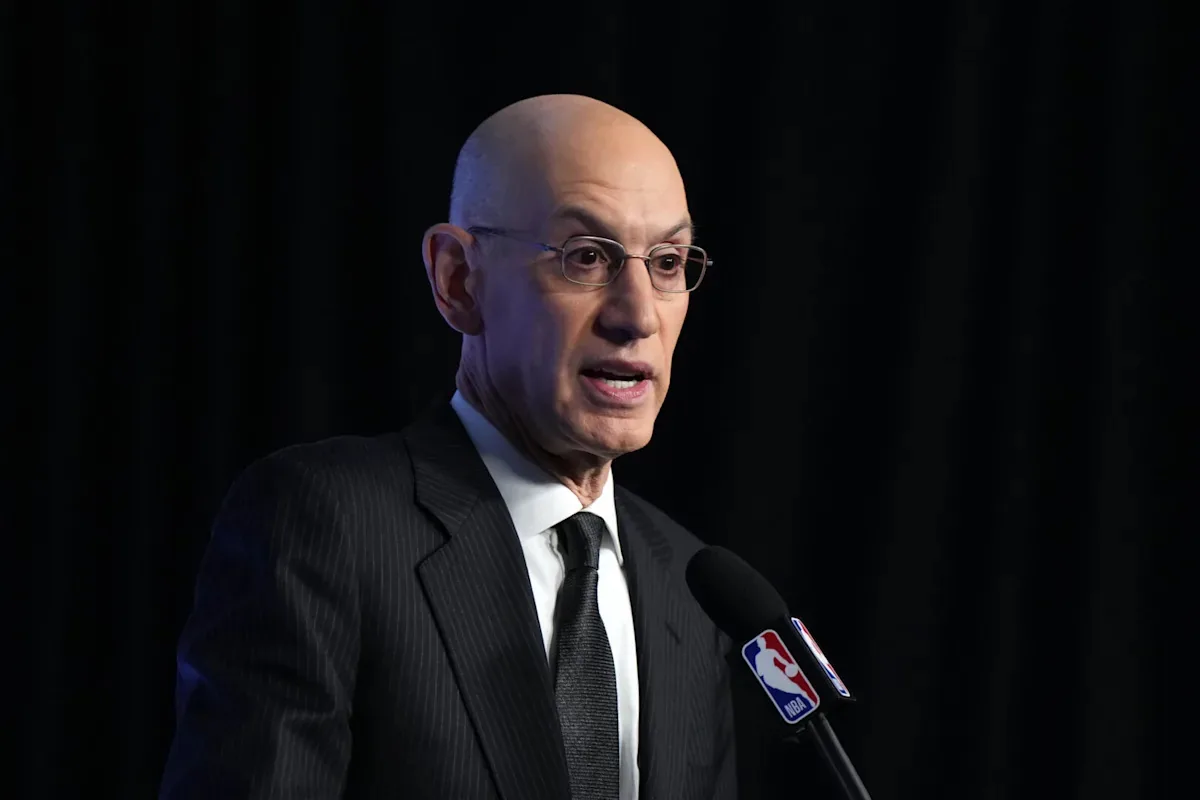
NBA Commissioner Adam Silver recently commented on the situation surrounding Indiana Fever guard Caitlin Clark, describing her as a “political football.” Silver made these remarks during a panel discussion at the CNBC/Boardroom Game Plan event. He emphasized that the issues surrounding Clark are not primarily about officiating, stating that the specific incident in question was not about whether a foul should have been called during the game or if it was a flagrant non-review.
The incident Silver referred to involved Clark and Phoenix Mercury forward Alyssa Thomas during a game on June 24. In the second quarter of the Mercury’s 111-109 victory over the Fever, Thomas was observed pushing a closed fist into Clark’s neck while attempting to stand up during a loose-ball play. Following an appeal by the Fever, the WNBA reviewed the play and retroactively issued Thomas a Flagrant 2 foul, leading to a one-game suspension.
Reports from the Sports Business Journal indicated that Silver had urged WNBA Commissioner Cathy Engelbert to impose the suspension on Thomas. When questioned about the accuracy of this report, Silver did not deny it but chose not to comment further, citing fairness to both Clark and Engelbert. He reiterated his belief that the larger issue at hand is not whether a specific foul was flagrant.
Sources familiar with the situation suggested that Engelbert initially did not plan to suspend Thomas, believing that a follow-up suspension might be too severe since no foul was called on the court at the time. However, these sources indicated that Silver felt there was clear evidence of a flagrant foul and that he conveyed to Engelbert that action needed to be taken. A source close to Engelbert mentioned that league officials commonly make recommendations after potential flagrant foul calls, which was the case with the Thomas decision.
Thomas herself stated that she was informed of her suspension approximately 10 minutes before the news became public on social media. She also reported receiving death threats, harassment, and racial slurs directed at her and her family in the aftermath of the game.
Officiating and League Growth
Officiating has been a long-standing concern for the WNBA, a situation that has become more pronounced since Clark joined the league in 2024. The level of physicality in games has led some coaches to question if there was a directive from league leadership to permit more physical play. Silver openly acknowledged the need for the league to improve its officiating.
In response to these concerns, steps were taken during the offseason to address officiating issues. These measures included the formation of a task force comprising eight general managers and coaches. This group met during the offseason and identified several priorities, such as calling illegal contact, enforcing the defensive three-second rule, and clearly defining legal versus illegal contact. Additionally, long-time WNBA official Eric Brewton was appointed to a newly created advisor position. Despite these efforts, officiating challenges have continued throughout the current season.
Silver elaborated on his perspective, suggesting that the core problem is not solely officiating but rather a “political ping-pong” centered around Clark. He expressed that it is unfair for Clark, a young woman focused on improving her game, to have this become a separate storyline about whether a foul should have been called at the time or retroactively deemed flagrant.
Engelbert, speaking on a panel prior to Silver, was not asked about the decision to suspend Thomas or Silver’s potential influence. She was, however, questioned about how the league could grow while managing toxicity. Engelbert described the vitriol as “unacceptable” and commended the “good in the game.”
Silver highlighted his historical connection to the WNBA, noting his involvement in writing the league’s original business plan three decades ago. He praised the league’s growth over the past 30 years, citing “off-the-charts valuations” and crediting Clark with attracting a new audience to the WNBA. He concluded by stating that the increased attention created a “rising tide,” demonstrating that the league possesses enormous talent beyond just Clark.
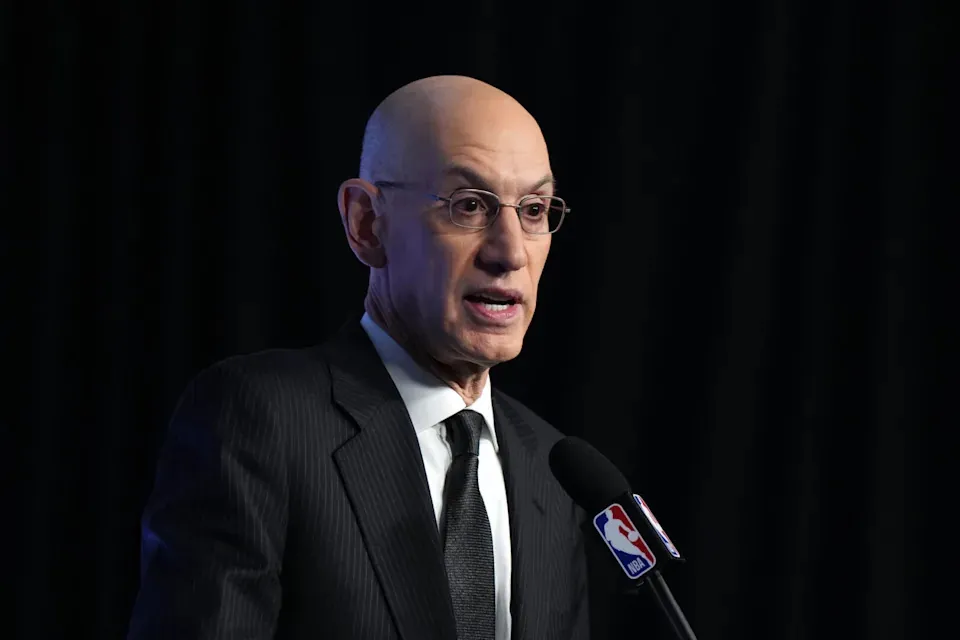
The report regarding Silver’s involvement in Thomas’s suspension has sparked debate within the league, prompting questions from players, fans, and media about the WNBA’s disciplinary process. These discussions revolve around what types of plays warrant postgame review and the distinction between physical basketball and offenses that merit suspension. Silver’s decision not to confirm or deny the report leaves uncertainty regarding the ultimate decision-making process for disciplinary actions and the potential influence of external factors in Thomas’s suspension.
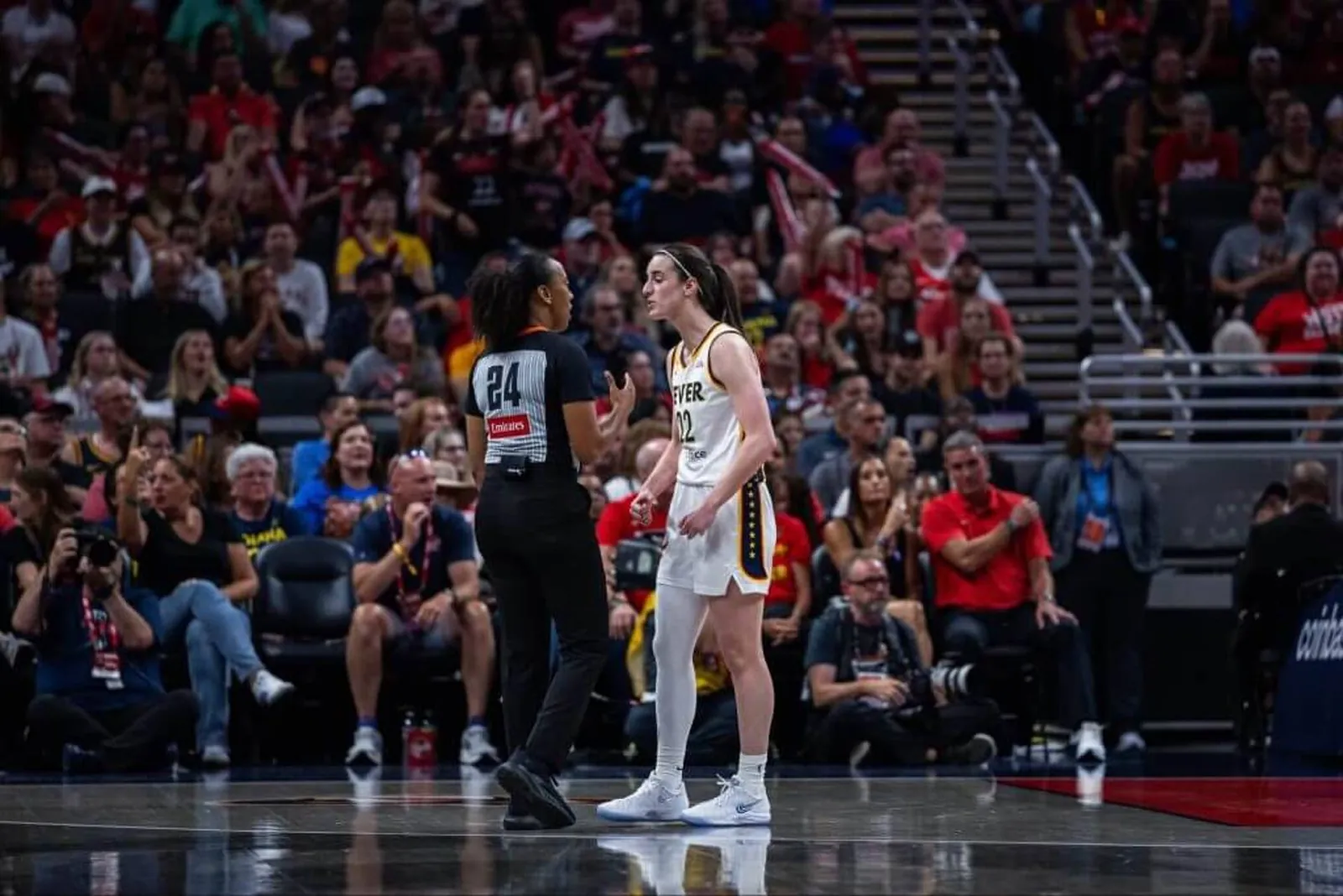
Critics across the league, according to sources, believe Engelbert has been overly cautious in not prioritizing the Fever star. They note that Engelbert has not attended a Fever game in Indianapolis since Clark joined the team three seasons ago. Engelbert has also faced criticism for canceling a last-minute interview with radio host Dan Patrick, reportedly to play golf, and was booed at Barclays Center while presenting the Commissioner’s Cup trophy, which was seen as fallout from the Clark-Thomas incident.
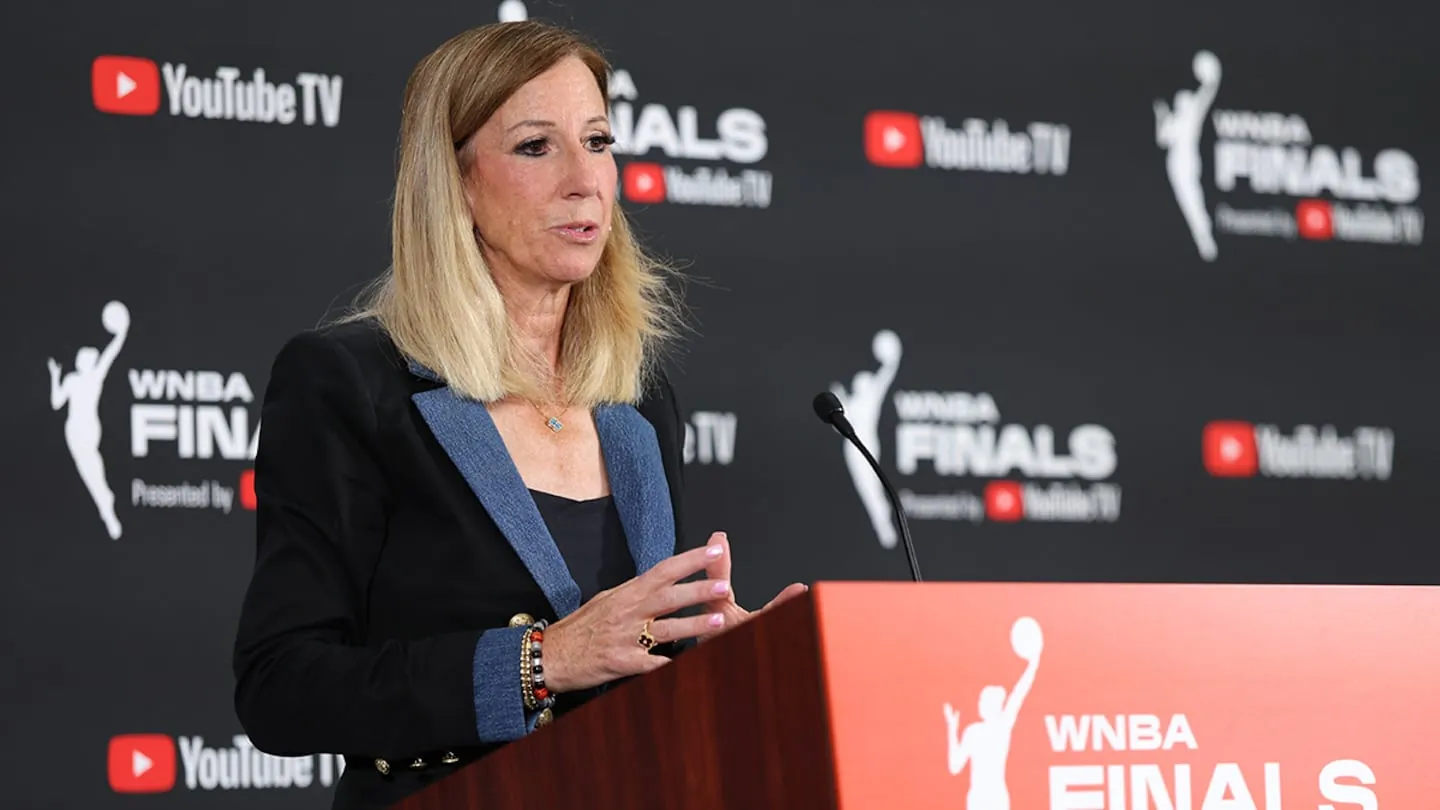
The ongoing discussions about disciplinary decisions and officiating are likely to continue, with the implications of Thomas’s case potentially shaping future conversations about physical play in the league.
Source: nytimes.com