
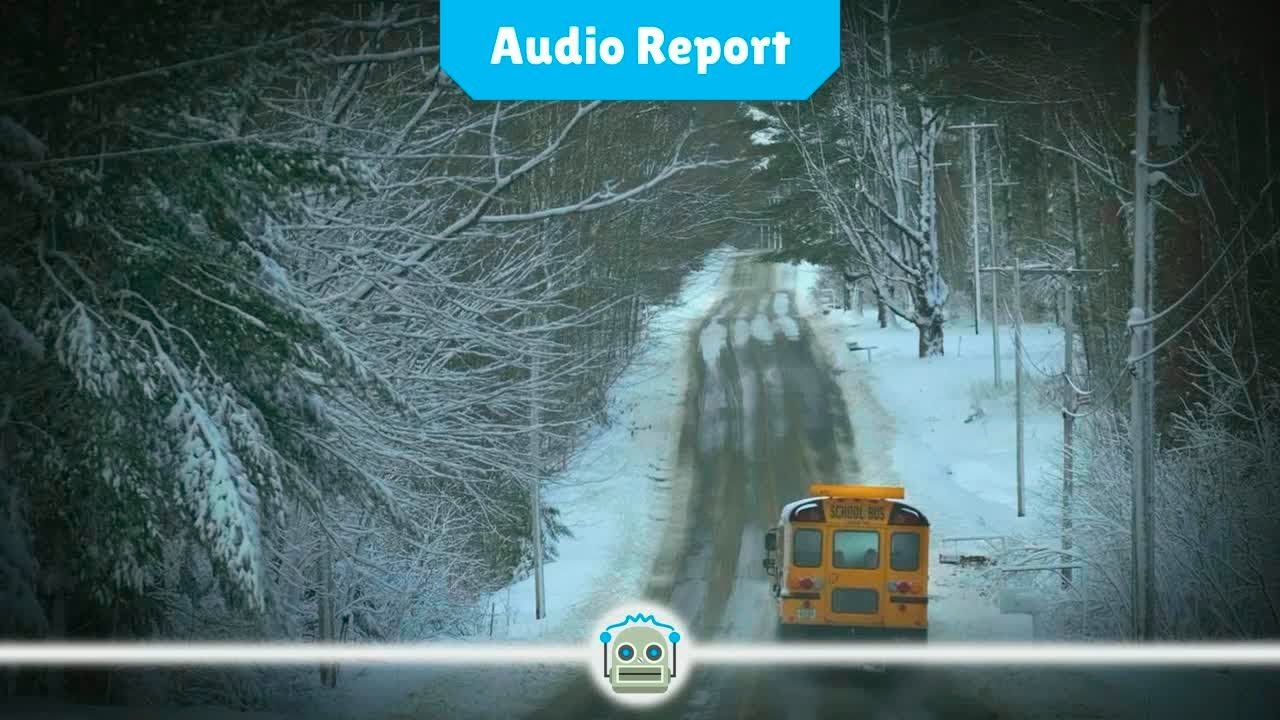
Importance of School Closings
School closings can significantly impact students, parents, and communities, especially during severe weather conditions or public health emergencies. Understanding current closures is vital for planning and ensuring the safety of children.
Recent Events Impacting School Closures
As of November 2023, Massachusetts has seen a wave of school closures due to unexpected early winter weather, including heavy snow and icy conditions. On November 15, the National Weather Service issued warnings that led to districts across the state making the decision to cancel classes. According to the Massachusetts Department of Elementary and Secondary Education, over 200 schools across various districts, including Boston and Worcester, announced closures in an effort to prioritize student safety.
In addition to extreme weather, some local health departments have also recommended temporary closures due to rising illness outbreaks linked to seasonal flu, affecting school attendance and prompting administrators to consider closures or remote learning as alternatives. As local health concerns evolve, schools have begun to implement precautionary measures and, in some cases, delayed openings.
Impact on Students and Families
School closures influence not only the education process but also working parents who may struggle with childcare solutions. Many districts have opted for online learning alternatives to mitigate disruptions. In the case of the most recent school closings, districts like Springfield and Lowell have provided resources for families to facilitate remote learning, ensuring that students continue their education even when physical classes are not in session.
Conclusion and Future Outlook
As winter progresses, it is likely that school closures will continue in Massachusetts, driven by weather patterns and public health considerations. Parents and students are encouraged to stay informed through local news outlets and school district websites for real-time updates on closures. Understanding the dynamic nature of school operations can help prepare families for any changes. Moreover, looking ahead, community discussions are ongoing regarding building resilience against such disruptions, including enhancing infrastructure and remote education capabilities.