
Introduction
Happy Meal toys have been a beloved part of childhood for decades, captivating children and nostalgic adults alike. Since their introduction by McDonald’s in 1979, these toys have not only influenced the fast-food industry but have also played a significant role in brand marketing and consumer culture. As we explore the evolution and significance of Happy Meal toys, it’s essential to consider how they resonate with different generations and contribute to the joy of dining out for young families.
The Birth of Happy Meal Toys
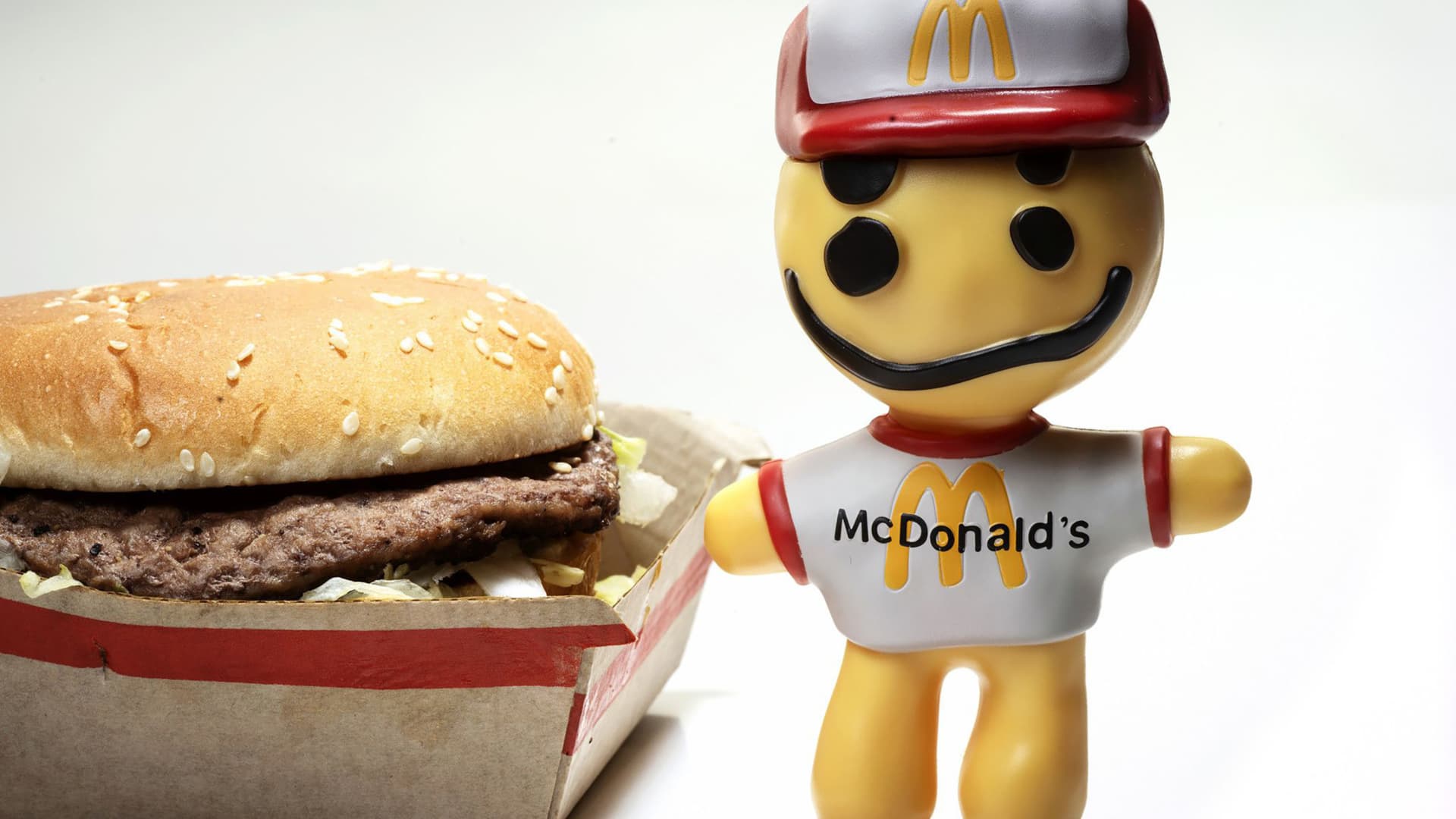
The concept of the Happy Meal was designed to cater to children’s desires for fun while offering parents a convenient meal option. Along with a kid-sized meal that includes smaller portions of their favorite foods, Happy Meal toys were introduced as an incentive to draw in kids. The first toys included simple, yet engaging items like a McDonaldland character figurine, which quickly became a hit among young customers and paved the way for more complex and themed toys.
Pop Culture Collaborations
Over the years, McDonald’s has leveraged popular culture to enhance its Happy Meal offerings. Iconic collaborations have featured characters and merchandise from Disney, Star Wars, and Marvel, ensuring that the toys reflect current trends and appeals to children’s interests. For instance, in 2023, McDonald’s launched a special promotion featuring toys from the latest animated blockbuster, which resulted in a surge of interest both in-store and online.
The Collectibility Factor
As Happy Meal toys evolved, so did the phenomenon of collecting them. Many people grew up experiencing the thrill of collecting full sets or trading toys with friends. Today, collectors often seek out rare items, with some toys fetching significant prices in online auction markets. This trend underscores the allure of nostalgia tied to these toys, revealing how a simple fast-food item can carry deep sentimental value.
Current Trends and Future Outlook
In recent years, McDonald’s has faced criticism regarding sustainability and the environmental impact of producing plastic toys. In response, the company has begun to explore eco-friendly alternatives, including toys made from recycled materials. Future Happy Meal toys may increasingly focus on educational and interactive elements, shifting from merely collectible to more enriching experiences. As society becomes more conscious of environmental concerns, adaptations in Happy Meal toy offerings could redefine how children engage with these products.
Conclusion
Happy Meal toys will likely continue to play an essential role in the dining experience for children. By combining nostalgia and innovation, McDonald’s has the potential to both satisfy the desires of younger customers and address contemporary challenges. Whether they’re viewed as a marketing tool or cherished collectibles, Happy Meal toys have undeniably made a lasting impression on generations, keeping the magic of childhood alive in every Happy Meal.