
Introduction
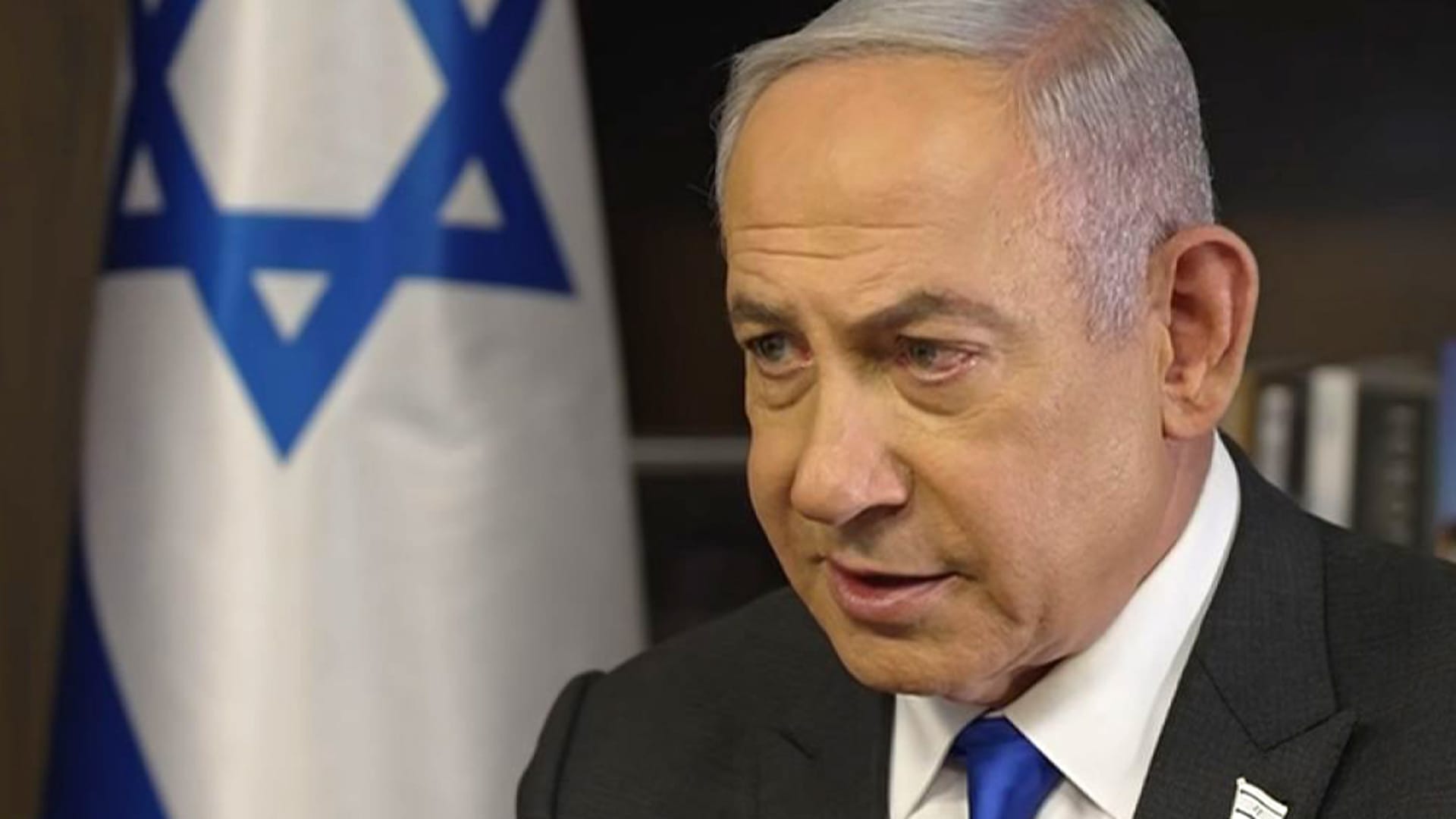
Binyamin Netanyahu, one of the most influential political figures in Israel’s history, is currently serving his fifth term as Prime Minister. His tenure has been marked by controversy, polarized opinions, and significant policy shifts that have shaped Israel’s domestic and foreign affairs. Netanyahu’s leadership is crucial in understanding the current political climate in Israel and its implications for the region.
Political Landscape
Netanyahu’s return to power in December 2022 came after a series of elections that showcased the increasing divisions within Israeli society. His Likud party, known for its right-wing policies, has forged an alliance with ultra-nationalist and religious parties, significantly influencing legislative directions and public policy. This coalition has propelled debates around security, the Palestinian issue, and the judiciary’s power, drawing both domestic and international attention.
Recent Developments
In response to ongoing tensions in the region, Netanyahu has taken a hard stance on security matters. Recently, Israel has seen escalating conflicts, particularly in the West Bank and Gaza Strip. His government has emphasized military responses to perceived threats, which has prompted criticisms from peace activists and some international allies. Simultaneously, Netanyahu’s administration has initiated talks to establish more formal relations with Gulf Arab states, showcasing a dual approach of aggression and diplomacy.
Challenges Ahead
Netanyahu’s government faces multiple challenges, including a deeply divided electorate, ongoing protests against judicial reforms, and the ever-pressing conflict with Palestinians. Recent nationwide protests have erupted against perceived attempts to undermine democratic institutions, highlighting the tension between his government and segments of the Israeli populace that advocate for more balanced governance.
Conclusion
As Netanyahu continues to navigate these complexities, his leadership will remain a focal point for understanding the future of Israel. The potential for further escalation in conflict, coupled with the internal pressures for democratic reforms, paints a daunting picture for Netanyahu and his administration. Observers will be keenly watching how these challenges unfold and the implications they may hold for the broader Middle East.