
Introduction
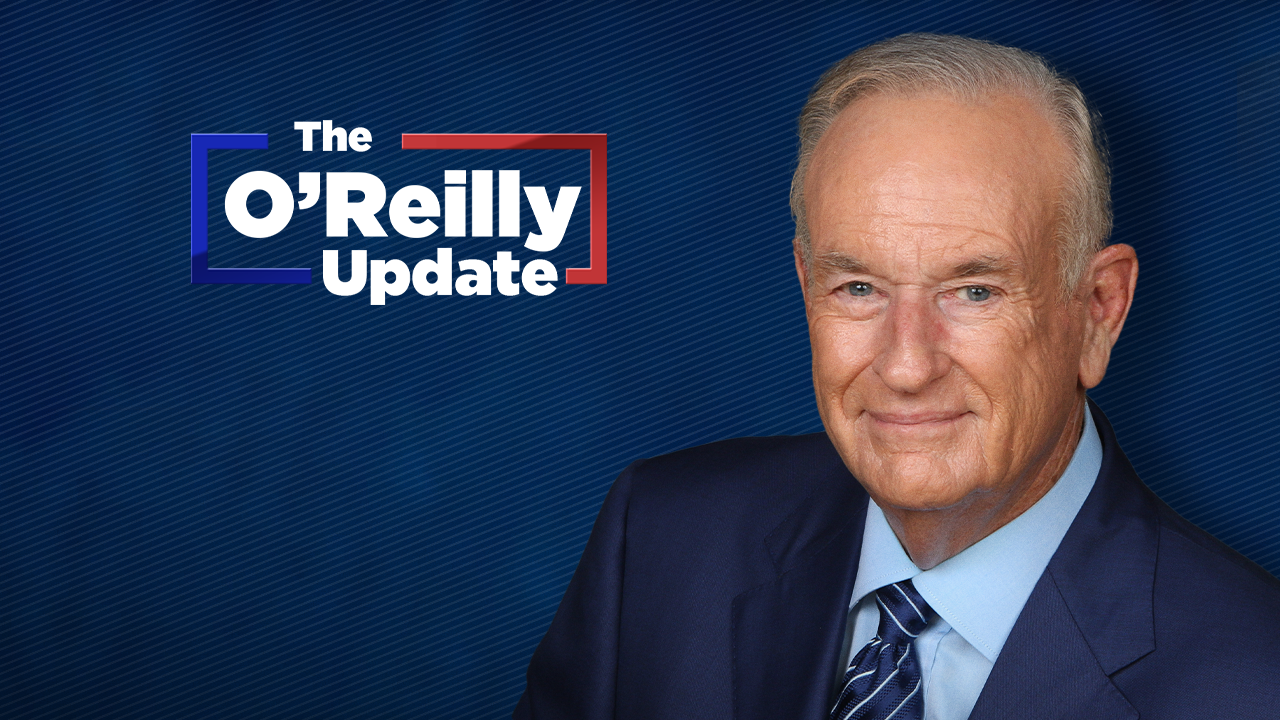
Bill O’Reilly, a prominent figure in American media, has had a significant impact on political discourse and journalism. Known for his fiery commentary and willingness to tackle contentious issues, O’Reilly has become a polarizing figure in modern media. As discussions around censorship, media integrity, and journalistic responsibility continue, examining O’Reilly’s career offers insights into the changing landscape of news and opinion.
Career Highlights
O’Reilly began his career as a journalist in the late 1970s and gained prominence as a news anchor for various local stations. In 1996, he made a significant move to Fox News, where he launched ‘The O’Reilly Factor,’ a show that became known for its passionate debates and high ratings. During his tenure, the program was one of the highest-rated cable news shows in America, solidifying O’Reilly’s status as a key player in political commentary.
Controversies and Legal Issues
Despite his success, O’Reilly’s career has not been without controversy. He faced several allegations of sexual harassment, which ultimately led to his departure from Fox News in 2017. The legal and ethical questions surrounding these allegations sparked widespread discussions about workplace conduct in media and the power dynamics within major corporations. In the wake of these claims, O’Reilly has often cited a culture of persecution and has defended himself through various media appearances.
Current Endeavors and Influence
Since leaving Fox News, O’Reilly has expanded his brand through podcasting and writing. He continues to attract a loyal following, engaging audiences through his online platform and social media. His latest book, released earlier this year, reflects on his experiences and their relevance to today’s political climate. O’Reilly’s influence persists, as he remains a fixture in discussions about American conservatism, media ethics, and freedom of expression.
Conclusion
Bill O’Reilly’s journey underscores the complexities of modern media where influence, controversy, and accountability intersect. As media consumers, understanding figures like O’Reilly can deepen our awareness of the narratives that shape public opinion. Moreover, as the landscape of journalism evolves, O’Reilly’s impact will likely continue to serve as a case study in the balance between commentary, integrity, and ethical conduct. As we look ahead, the implications of his story may influence discussions on media reform and the responsibilities of journalists.