
Introduction
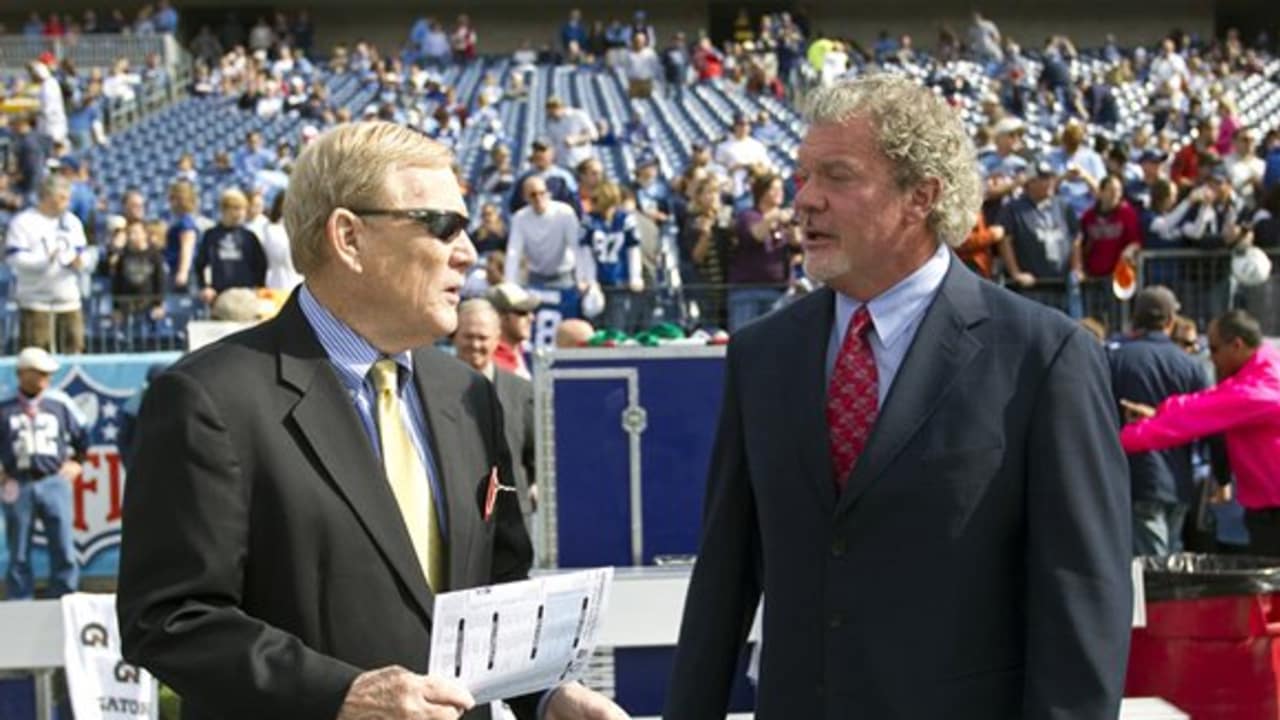
Bill Polian is a name synonymous with success in the National Football League (NFL). As a prominent executive, Polian has played a foundational role in shaping the modern game through innovative strategies and a keen eye for talent. His significance in the history of professional football cannot be overstated, making him a necessary subject of discussion for fans and analysts alike.
Career Highlights
Polian’s NFL journey began in 1978 with the Kansas City Chiefs, but his breakthrough came when he joined the Buffalo Bills in 1986 as the general manager. Under his leadership, the Bills transformed from a struggling franchise into perennial playoff contenders, leading the team to four consecutive Super Bowl appearances in the early 1990s. Many attribute this success to Polian’s ability to identify and draft talent, exemplified by key players such as Jim Kelly and Bruce Smith. His approach to building a roster focused heavily on drafting players with strong character and work ethic, which has influenced many organizations since.
Innovations in Game Strategy
Beyond his roster management skills, Polian is known for pushing strategic boundaries in football. He was a pioneer in recognizing the importance of the passing game and adapting offenses to utilize a dynamic quarterback-led attack. During his tenure with the Indianapolis Colts, where he served from 1998 to 2011, Polian worked closely with quarterback Peyton Manning to develop a high-octane offense that redefined how teams approached the game. The Colts set numerous offensive records and became one of the most prolific scoring teams of the era.
Recognition and Influence
Polian’s contributions have not gone unrecognized. He has been inducted into the Pro Football Hall of Fame (2015) and continues to influence the sport as a respected commentator and advisor. His philosophies are taught in coaching clinics, and many current NFL executives cite him as a major influence on their careers. Recently, as the NFL continues to evolve with new trends such as analytics and player safety, Polian’s principles remain relevant.
Conclusion
Bill Polian’s legacy in the NFL is marked by innovation, strategic vision, and success on the field. His career exemplifies the good that comes from thoughtful leadership and an unwavering commitment to excellence. As the NFL moves forward, Polian’s influence will undoubtedly continue to resonate, reminding us that the game’s essence lies not only in athletic prowess but also in the strategies that shape it. For fans and future leaders in football, understanding Polian’s methods and philosophies offers invaluable lessons on how to succeed in the competitive landscape of professional sports.