
Introduction
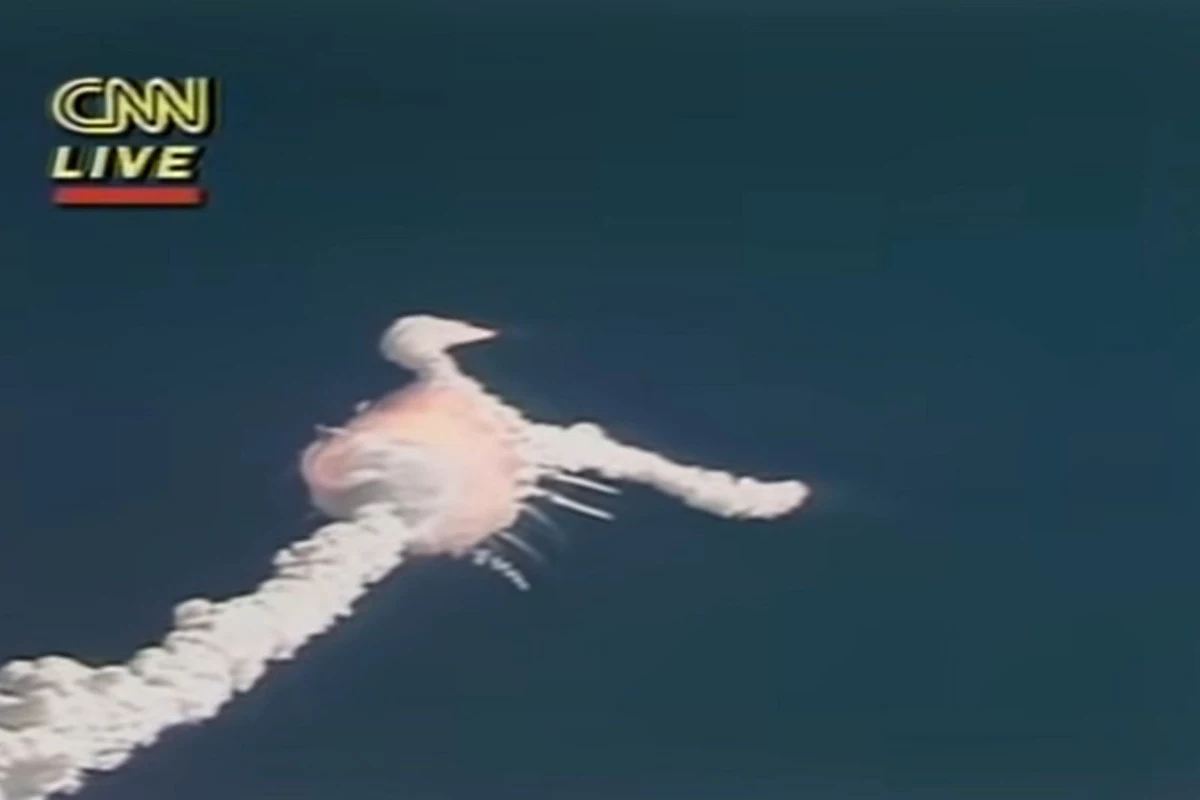
The Challenger explosion, which occurred on January 28, 1986, remains one of the most significant tragedies in the history of American space exploration. This catastrophic failure not only resulted in the loss of seven crew members but also had profound implications for NASA and the future of space travel. Understanding the events leading up to the Challenger disaster is crucial for recognizing the inherent risks associated with space exploration and the importance of stringent safety protocols.
The Events of January 28, 1986
The Challenger launched from Kennedy Space Center in Florida, with a crew that included the first teacher in space, Christa McAuliffe. Just 73 seconds into the flight, the orbiter broke apart, leading to the deaths of all seven astronauts on board. An investigation revealed that the explosion was caused by the failure of an O-ring seal in one of the solid rocket boosters. The O-ring’s failure was attributed to unusually cold weather on the day of the launch, which raised serious questions about NASA’s decision-making processes leading up to the mission.
Investigation and Aftermath
Following the disaster, President Ronald Reagan appointed a comprehensive investigation committee known as the Rogers Commission. The Rogers Commission concluded that the launch went ahead despite concerns from engineers at Morton Thiokol, the contractor responsible for the solid rocket boosters. The findings highlighted a troubling culture within NASA, which prioritized schedule over safety, ultimately leading to a reevaluation of the agency’s policies and procedures.
Impact on NASA and Space Exploration
The Challenger explosion had far-reaching effects on NASA’s operations. Following the tragedy, NASA implemented extensive changes in safety protocols, decision-making processes, and public communication concerning risks in space missions. The agency’s Space Shuttle program was temporarily suspended, and it took nearly three years before flights resumed with the launch of Discovery in 1988. The Challenger disaster also reignited discussions about the complexities of human space flight and the need for balancing innovation with safety.
Conclusion
More than three decades later, the Challenger explosion remains a solemn reminder of the risks inherent in space exploration. The tragedy underscored the importance of safety over schedules within the aerospace industry, leading to lasting changes in how missions are conducted. For future generations and aspiring astronauts, the lessons learned from Challenger continue to shape policies and inspire a culture of safety in space exploration, ensuring that such a loss is never repeated.