
Introduction
The Federal Reserve’s meetings play a crucial role in shaping the U.S. economy and influencing financial markets. As the central bank addresses inflation, unemployment, and economic growth, its decisions have far-reaching implications for consumers, businesses, and investors alike. The latest Fed meeting, held on September 20, 2023, has garnered significant attention as market observers eagerly anticipated updates on interest rates and monetary policy.
Main Body
During the September meeting, the Federal Open Market Committee (FOMC) voted unanimously to maintain the current federal funds target rate at 5.25%-5.50%. This decision comes in light of recent data showing continued resilience in the job market and easing inflation pressures. While the inflation rate has been a concern over the past year, recent reports indicate a slowdown, allowing the Fed greater flexibility in its monetary policy.
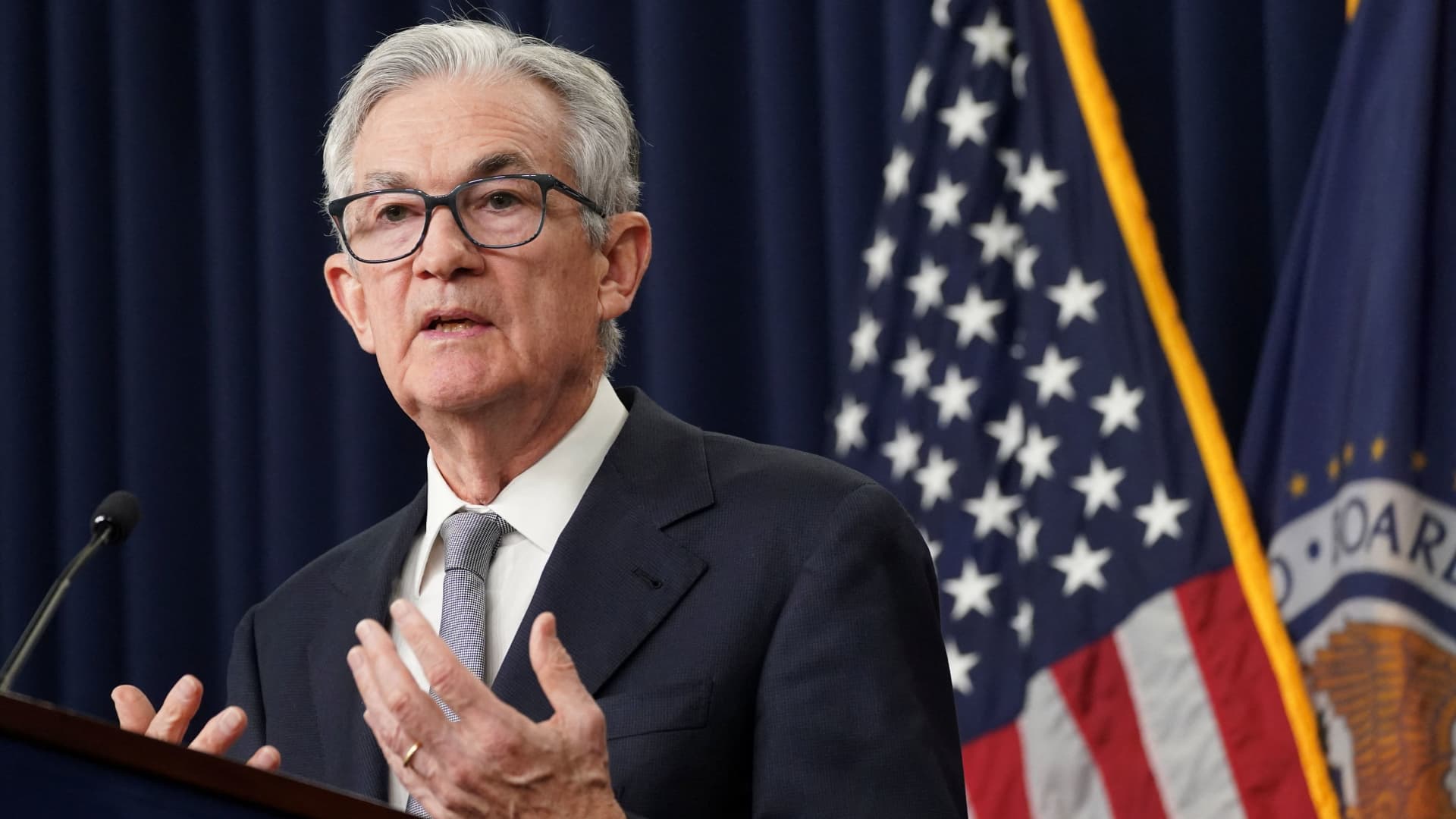
Chairman Jerome Powell highlighted the importance of remaining vigilant, stating, “The economy is in a strong position, but we must ensure that inflation remains under control.” As inflation rates have moderated to around 3.7%, the Fed is now focused on sustaining economic growth while preventing overheating.
Moreover, participants in the meeting acknowledged that economic projections may shift depending on global economic conditions, including uncertainties around geopolitical tensions and the ongoing recovery from the pandemic. With comments indicating no immediate plans for rate hikes, the Fed aims to provide stability and predictability for markets and consumers.
Market reactions following the announcement were mixed, with some investors viewing the Fed’s stance as a sign of confidence in the economy, while others expressed caution, fearing that the current rate levels may not be sufficient to combat any unexpected surges in inflation.
Conclusion
As the Federal Reserve continues to navigate complex economic challenges, the outcomes of its meetings are critical. Analysts suggest that future meetings will further define the Fed’s commitment to its dual mandate of controlling inflation and fostering maximum employment. As we approach the end of the year, market participants will be closely monitoring economic indicators and upcoming Fed meetings to understand how they might influence monetary policy moving forward.
In conclusion, the decisions made at Fed meetings are pivotal in shaping the economic landscape. Investors, policymakers, and consumers must stay informed and prepared for potential changes in the monetary policy that could impact their financial decisions.