
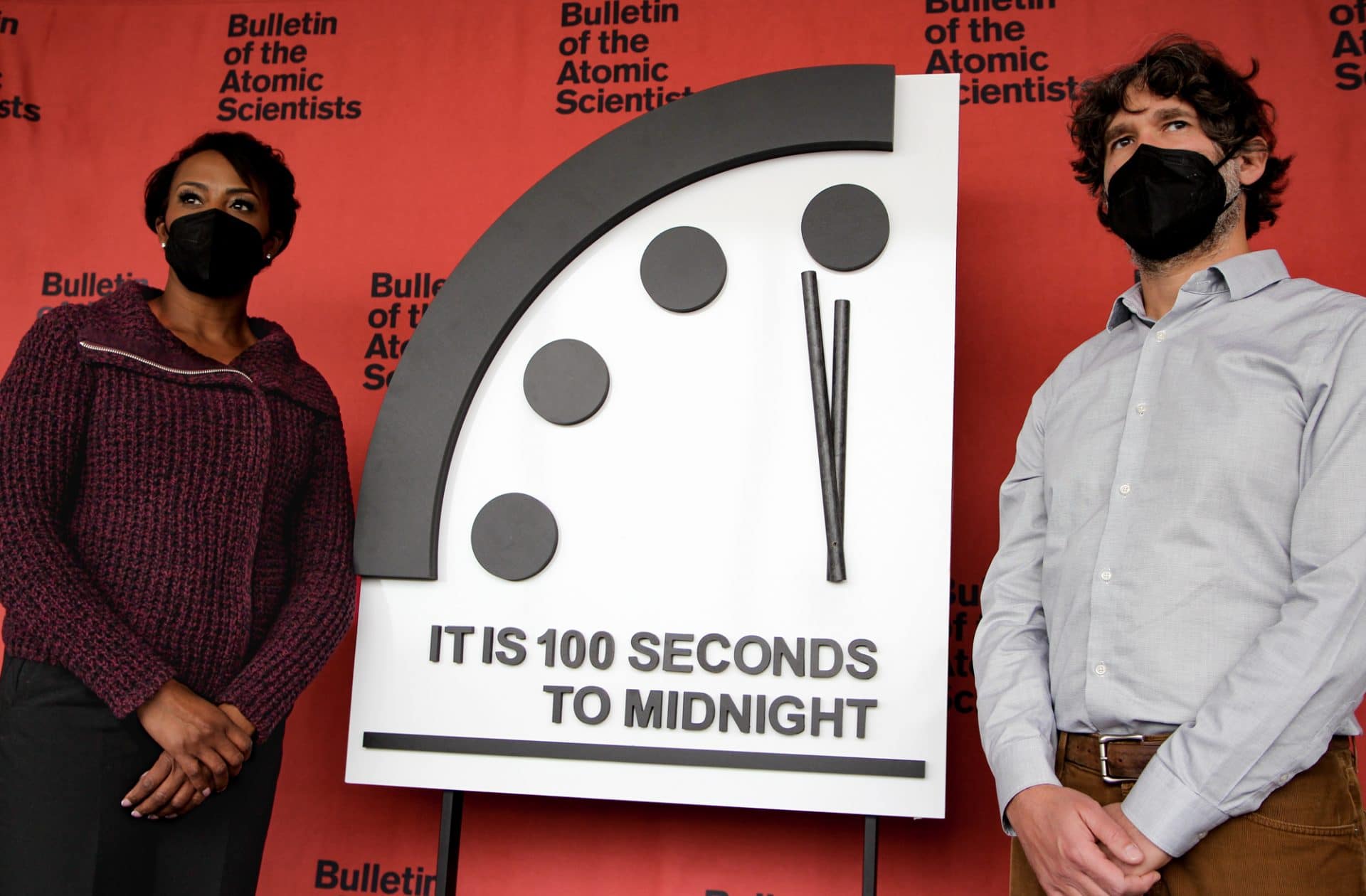
Introduction to the Doomsday Clock
The Doomsday Clock, maintained by the Bulletin of the Atomic Scientists, represents how close humanity is to catastrophic destruction. Since its inception in 1947, it has served as a symbolic framework for assessing global threats, including nuclear war, climate change, and technological advancements. As tensions rise globally and the threat of future conflicts looms, the clock’s current position underscores the urgency of taking action to mitigate these risks.
Recent Developments and Adjustments
In January 2023, the Doomsday Clock was set to 90 seconds to midnight, the closest it has ever been since its creation. This alarming adjustment reflects the significant geopolitical tensions, especially in light of the ongoing conflict in Ukraine and the increased risks associated with nuclear weapons. The scientists responsible for the clock expressed particular concern regarding the breakdown of international norms and treaties designed to prevent nuclear warfare.
The Role of Climate Change
Alongside nuclear risks, climate change has been a persistent factor influencing the clock’s position. Reports reveal that extreme weather events, rising sea levels, and global temperature rises are contributing to an environment where disasters are more likely to occur. The latest climate assessments show that the world is still far from meeting the targets set in international agreements like the Paris Accord, further complicating any hope for a secure future.
Technological Threats
Moreover, rapid advancements in technology raise new concerns regarding artificial intelligence and bioengineering. The potential misuse of these technologies poses existential risks that need careful management and oversight. Experts warn of a scenario where unregulated technology could lead to unintended consequences, prompting the need for proactive measures to govern scientific advancements in a way that protects humanity rather than jeopardizes it.
Conclusion: The Path Forward
The Doomsday Clock serves as both a wake-up call and a call to action. Its position urges individuals, governments, and organizations to recognize the interconnected nature of these threats and the importance of global cooperation in addressing them. As we move forward, it remains crucial for nations to engage in dialogue, invest in sustainable solutions, and adopt policies that prioritize peace and security. The clock may tick closer to midnight, but through collective effort and commitment, we can still change its fate.