
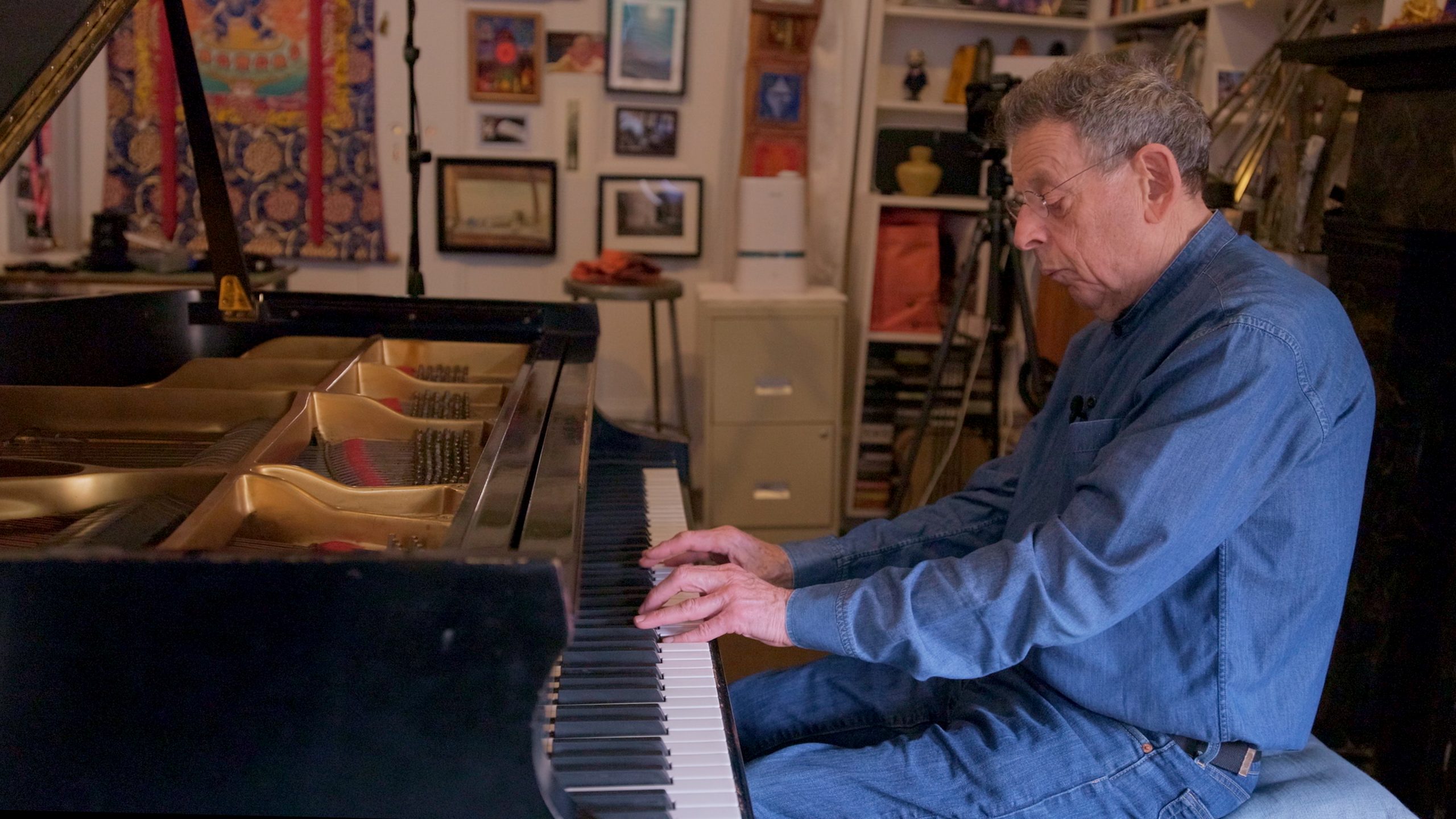
Introduction to Philip Glass
Philip Glass, born on January 31, 1937, in Baltimore, Maryland, is one of the most influential composers of the late 20th and early 21st centuries. Known for his revolutionary approach to music composition, Glass played a pivotal role in the development of minimalism, a genre characterized by repetitive structures and intricate patterns. His works have not only reshaped the landscape of classical music but have also made significant inroads into film scores, theater, and opera, touching audiences worldwide.
Career Milestones and Achievements
Glass’s musical journey began early, with an interest in the works of composers such as Igor Stravinsky and Olivier Messiaen. He later studied at prestigious institutions, including the Juilliard School and the University of Chicago. His break came in the 1960s, during which he composed several significant works, including ‘Music in Similar Motion’ and the groundbreaking ‘Einstein on the Beach’, an opera that deviated from traditional narratives and structures, capturing the attention of both critics and audiences.
Throughout his career, Glass has collaborated with a diverse array of artists and institutions. His music has graced the soundtracks of numerous films, including ‘The Hours’ and ‘Koyaanisqatsi’, showcasing his unique ability to blend contemporary classical techniques with cinematic storytelling. In addition to film, he has worked extensively in the worlds of theater, with pieces like ‘Satyagraha’ and ‘Akhnaten’ highlighting his interest in themes of humanity and philosophy.
Recent Works and Continued Influence
As of late 2023, Philip Glass remains active in the music scene, continuing to compose and perform. His latest projects involve collaborations with younger artists and explorations of new media, bridging traditional music with modern technology. His works continue to inspire a new generation of musicians who are drawn to his distinctive sound and innovative approach to composition.
Conclusion and Significance
Philip Glass’s contributions to music have left an indelible mark on both the minimalism genre and contemporary classical music at large. His ability to combine simplicity with profound emotional depth resonates with audiences across generations. As Glass continues his artistic journey, his influence is likely to deepen, encouraging dialogue among artists and audiences about the evolving nature of music. For those interested in contemporary culture and the arts, understanding Glass’s work is essential to grasping the trajectory of modern music.