
Introduction
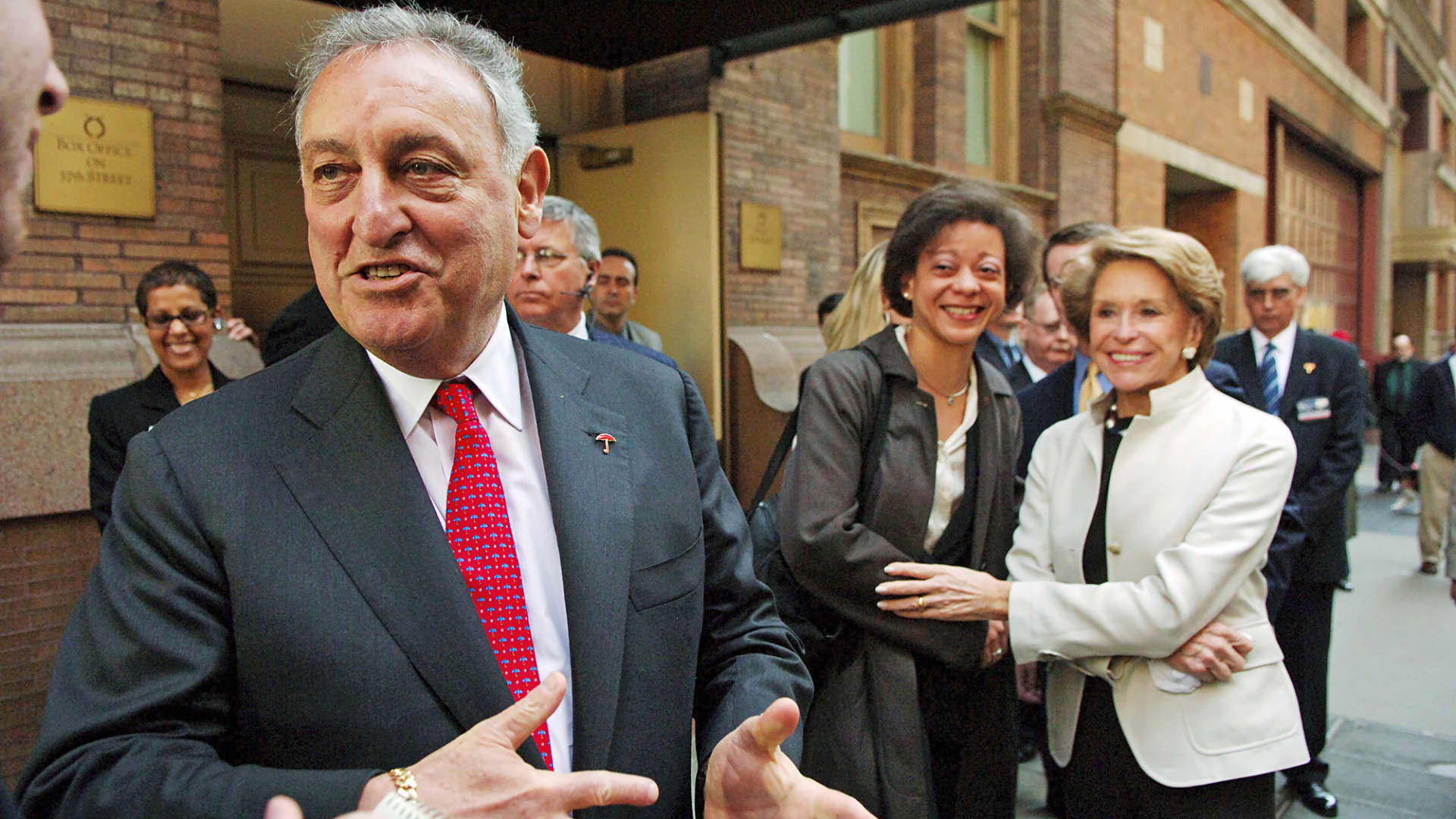
Sandy Weill, a name synonymous with the transformation of the banking industry, played a crucial role in reshaping financial services in the United States. Known for his daring vision, Weill’s strategies and innovations not only propelled his own career but also altered the landscape of the entire banking sector. Understanding his contributions and legacy is essential in the context of today’s financial system.
Career Milestones
Born on March 16, 1933, in New York City, Weill’s banking journey began in the mid-20th century. He founded a brokerage firm and later merged it with other financial institutions, leading to the formation of Shearson Lehman Hutton. This merger was just the beginning of Weill’s ascent as a transformative figure.
In the 1990s, Weill masterminded the merger of Citicorp and Travelers Group, which created Citigroup, one of the largest financial services companies in the world. This bold move, particularly controversial due to the Glass-Steagall Act, which previously separated commercial and investment banking, paved the way for a new era of consolidated banking.
Crisis and Controversy
Despite his successes, Weill’s actions have been a topic of debate. Critics argue that the merger of commercial and investment banking contributed to the financial crisis of 2008, raising questions about regulatory oversight and risk management in the financial sector. Proponents, however, defend Weill’s vision, stating that it allowed banks to better compete in a globalized economy.
A Shift in Focus
In later years, Weill shifted his attention towards philanthropy and education, focusing on various causes and serving as an advocate for healthcare reform, education, and a robust financial system. He has been praised for his commitment to giving back to the community, which reflects his evolving priorities beyond just financial gains.
Conclusion
Sandy Weill’s impact on the banking industry is profound and multifaceted. His entrepreneurial spirit and drive for innovation led to the creation of financial giants and significantly influenced how banking operates today. As the financial landscape continues to evolve, Weill’s legacy serves as a reminder of the complexities involved in merging financial services and the importance of balancing innovation with ethical considerations. Understanding figures like Weill highlights the ongoing discussions about regulation, responsibility, and the future of banking in a post-crisis world.