
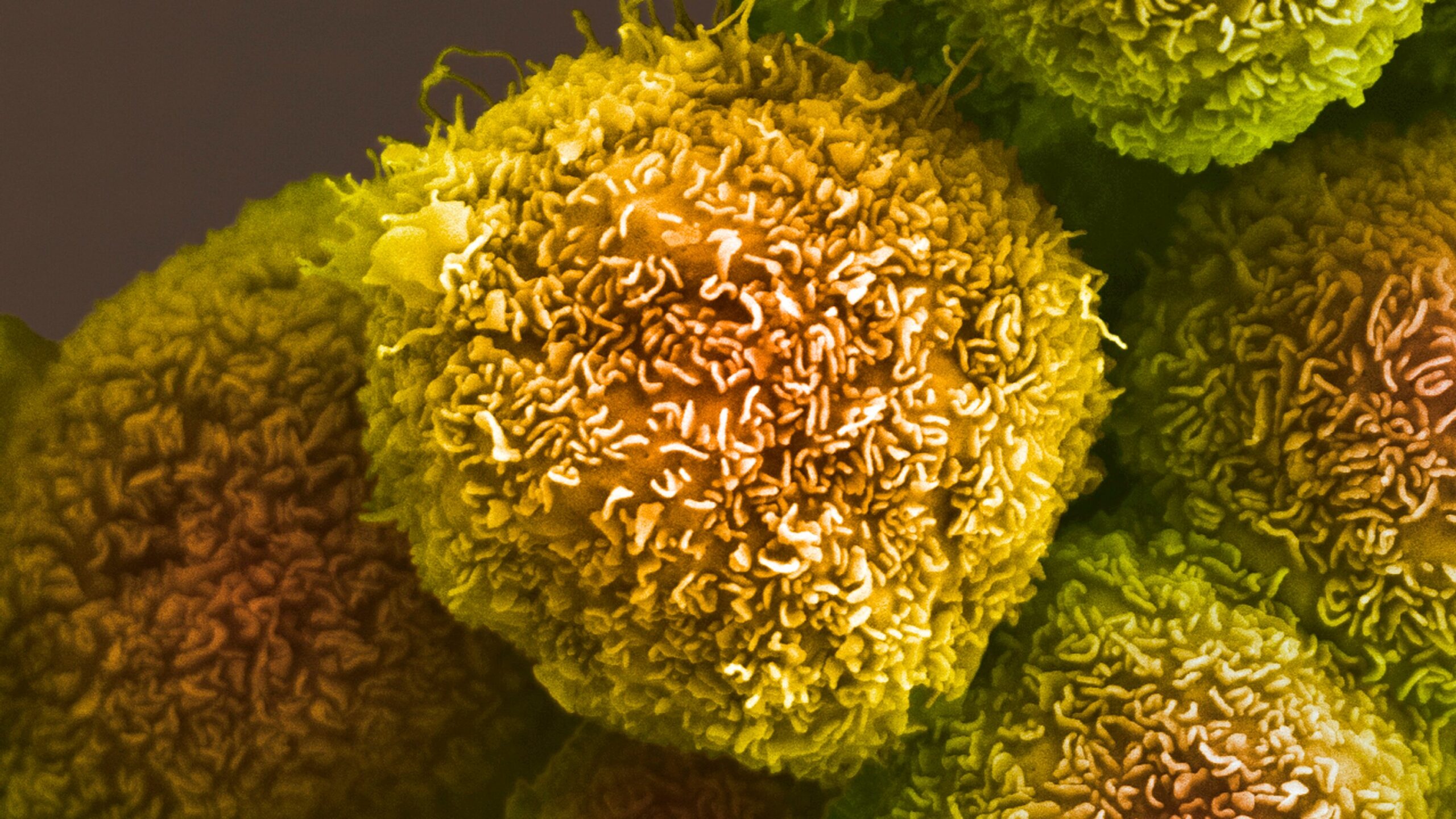
Introduction: The Urgent Need for a Cure
Pancreatic cancer remains one of the deadliest forms of cancer, with a five-year survival rate below 10%. This aggressive malignancy is often diagnosed at advanced stages, making treatment options limited. Despite ongoing research, effective therapies for pancreatic cancer lag behind those available for other common cancers, highlighting a pressing need for progress towards a sustainable cure.
Recent Advances in Research
Recent studies have begun to shed light on potential breakthroughs in the treatment of pancreatic cancer. Researchers from a prominent cancer research institute have developed a promising new therapy that targets specific genetic mutations found in some pancreatic tumors. Their findings, published in a leading medical journal, indicate that this individualized treatment can significantly improve patient outcomes compared to traditional chemotherapy.
Furthermore, the use of immunotherapy has gained traction in pancreatic cancer research. A recent clinical trial illustrated that a combination of immune checkpoint inhibitors, along with chemotherapy, led to tumor shrinkage in a subset of patients previously deemed inoperable. Experts believe that these developments could usher in a new era of personalized medicine for pancreatic cancer patients.
Challenges and Limitations
Despite these hopeful advances, considerable challenges remain. Pancreatic cancer often develops resistance to treatments, complicating therapeutic success. Additionally, early detection remains a significant hurdle; the absence of reliable screening methods means that most diagnoses occur at a late stage when treatment options are limited.
Moreover, funding for pancreatic cancer research is significantly lower than for other cancers, such as breast and prostate cancer, which restricts the pace of development for new treatment options.
Conclusion: A Hopeful Outlook
The tireless work of researchers and oncologists continues to offer hope for a cure to pancreatic cancer. As clinical trials for new therapies expand and more genetic mutations are discovered that correlate with the disease, the chances of finding a successful cure increase. The collaboration between scientists, pharmaceutical companies, and research institutions will be crucial in translating these advancements into life-saving therapies.
While significant obstacles remain, the recent advancements in the understanding and treatment of pancreatic cancer signify a momentous shift in the approach towards this formidable disease. Continued support, funding, and awareness are paramount to the quest for a pancreatic cancer cure, offering hope to patients and families affected by this devastating illness.