
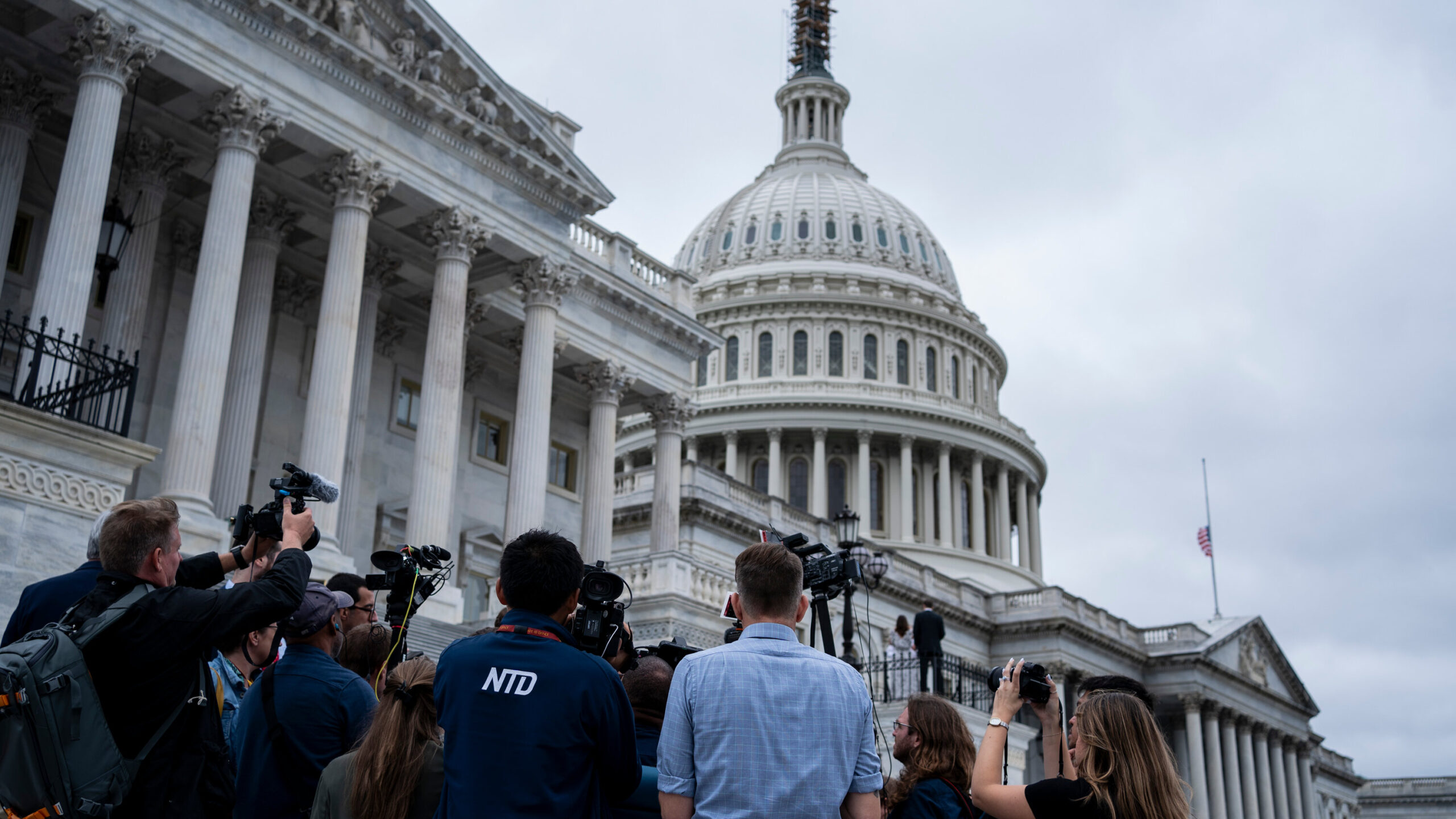
The Importance of Government Shutdowns
Government shutdowns are critical events that impact millions of citizens and the economy at large. When the federal government shuts down, non-essential services are halted, federal employees are furloughed, and vital programs may experience interruptions. As discussions heat up in Washington regarding budget negotiations, many wonder if another shutdown is looming on the horizon.
Current Political Climate
As of October 2023, tensions in Congress have reached a boiling point. The debate over budgetary allocations has intensified, particularly around funding for new initiatives and the ongoing support for existing programs. The government operates on a fiscal calendar that runs from October 1 to September 30, and any failure to pass a budget or continuing resolution can trigger a shutdown. Politicians are currently grappling with differing priorities, with some factions calling for significant spending cuts while others advocate for maintaining or increasing funding in critical areas.
Recent Developments
Recently, lawmakers have been engaged in negotiations to prevent a government shutdown. There are proposals being debated that could pave the way for a temporary funding measure that would keep the government operating while discussions continue. However, some members on both sides of the aisle have expressed skepticism about reaching an agreement before the deadline, which raises the possibility of a shutdown.
In addition, public sentiment toward another shutdown remains overwhelmingly negative. Polls indicate that most Americans believe that a shutdown would be detrimental to their daily lives and the broader economy. Previous shutdowns, such as those seen in 2013 and 2018-2019, had lasting impacts on government services and public trust.
Potential Consequences
If the government does indeed shut down again, it could lead to significant disruptions. Essential services such as public safety, social security, and healthcare programs could be affected. The longer the shutdown persists, the more strain it places on federal employees who may face unpaid furloughs. Economically, a shutdown could lead to decreased consumer confidence and lowered economic growth forecasts, prompting concerns among business leaders and economists alike.
Conclusion
The looming threat of a government shutdown triggers anxiety among citizens and policymakers alike. While discussions continue and efforts are made to reach an agreement, the outcome remains uncertain. It is crucial for Congress to find common ground to avoid the disruptions that a shutdown would cause. The stakes are high not only for government employees but for the stability of the economy and the welfare of millions of Americans who depend on government services.